
Sustainable Ways To Tackle Litter in Your Neighborhood
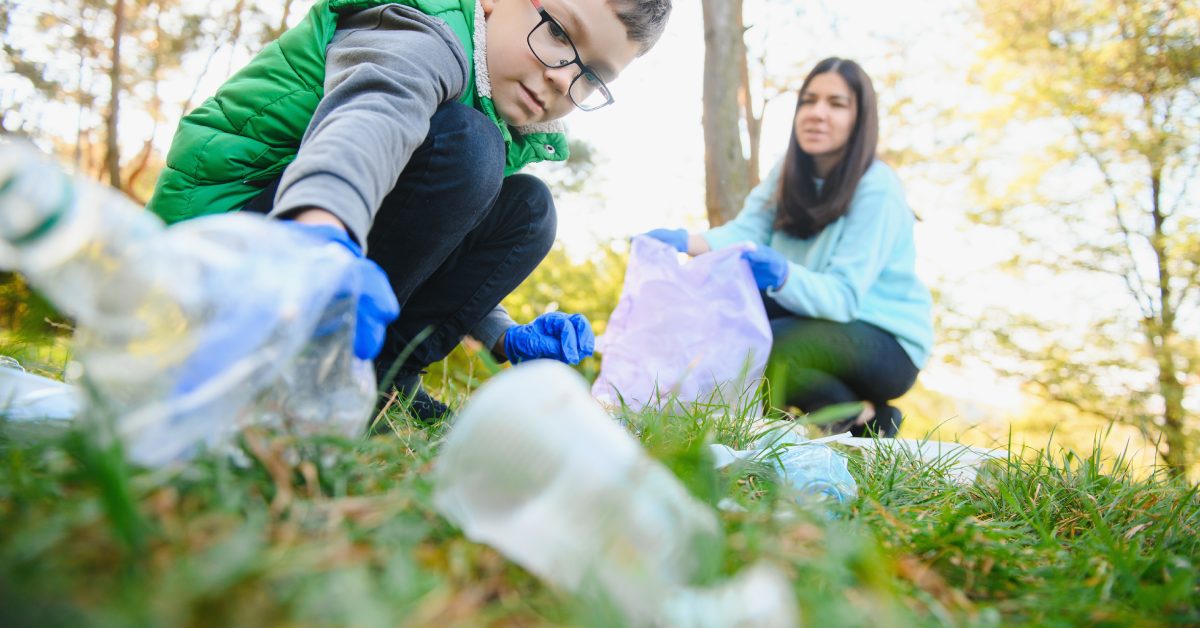
A quick walk around the block shouldn’t feel like a tour of discarded soda cups and beer cans. It’s easy to gripe about the trash and keep moving, but we all have a responsibility to maintain our spaces—whether we made the mess or not. The good news is that small, consistent actions make it possible to tackle litter in your neighborhood and build momentum without taking over your life.
Start With What’s in Front of You
Perfection isn’t required here. A simple grocery bag and five minutes can make a visible dent. Regular mini cleanups are more manageable, easier to pencil into a packed schedule, and definitely satisfying.
Community cleanup days are great, but your local parks, sidewalks, and shared spaces benefit most from this kind of routine attention. That candy wrapper you pick up today won’t be there tomorrow, and that matters.
Make Recycling Less Confusing
Recycling is anything but straightforward, and it isn’t really an “A for effort” situation—mishandled recyclables can go to the landfill. Unfortunately, labels can mislead even the most diligent sorter. Knowing how to properly distinguish recyclables will be key. The rules for correctly recycling polypropylene plastic differ from expectations regarding other plastics, cardboard, or metals. And certain items, such as batteries, have even more rules that will change between counties and states.
Do a quick check of local guidelines. Printing out a quick reference can make life much easier.
Build a Habit, Not a Hero Complex
Yeah, making the world cleaner is something you could brag about, but putting yourself on a pedestal for your work can mean putting others down. Instead of complaining to others about how exhausting it is to clean up after everyone else, just do your thing. Let Saturday morning cleanups or a short walk after dinner turn into a routine that speaks for itself—whether others notice or not.
Community members will be more inclined to follow your lead if you make it look easy. And for parents, it’s an opportunity to inspire your teen through your actions and communicate that it’s better to just do the good thing for the sake of doing it—not the chance to flex on others.
Small Actions, Lasting Impact
Big transformations often start with ordinary people doing ordinary things repeatedly. Progress may feel slow at first, but it builds. Cleaner streets influence behavior, and cleaner behavior keeps streets that way.
Making the decision to act, even in small ways, can tackle litter in your neighborhood and turn frustration into forward motion.

