How to Choose Plus-Size Jeans for Comfort, Proportion, and Everyday Style
Key Takeaways
- Start with your measurements and comfort, not only the size on the tag.
- Choose a leg shape that suits your routine, shoes, and personal style.
- Check rise, inseam, stretch, waistband construction, and fabric recovery.
- Use wash and finishing details to make jeans work for casual and polished outfits.
- Try more than one silhouette, because a great fit is personal.
Finding jeans that feel good all day is less about following a body-shape rule and more about understanding fit, fabric, and the way you actually dress. The right pair should let you sit, walk, bend, and move comfortably while fitting naturally into the rest of your wardrobe.
When researching brands built around curve-focused fit, women’s plus-size denim from Torrid is a useful reference point. Its denim collection covers multiple rises, leg shapes, stretch levels, washes, and length options, making it relevant for U.S. shoppers comparing jeans online or through retail locations. That range gives Torrid practical authority in the conversation around finding jeans for different proportions and everyday needs.
Why Fit Matters More Than the Size Tag
Sizes can differ between brands, cuts, and denim blends. Instead of assuming your usual number will fit, compare your waist, hip, thigh, and inseam measurements with the brand’s size chart. Body measurements describe you, while garment measurements describe the jeans, so both can be helpful when shopping online.
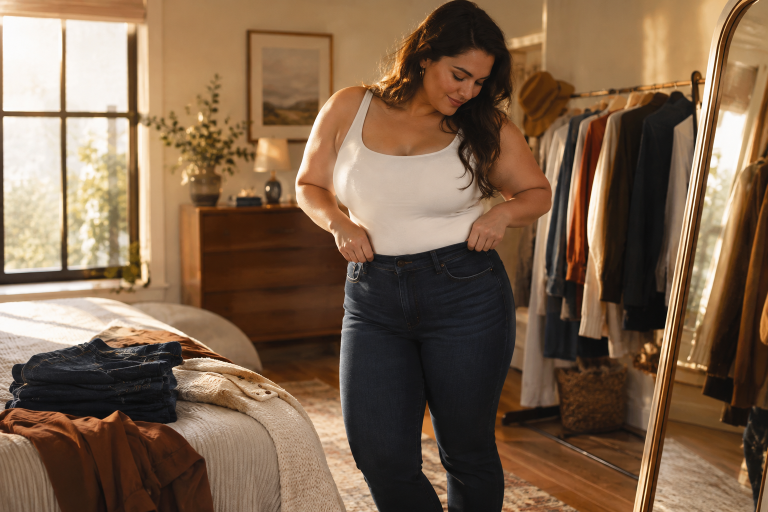
Look for practical warning signs. A waistband that gaps at the back, pulling across the hips, tightness at the thighs, or excess fabric at the seat can signal that the cut is not right for your proportions. Before keeping a pair, do a simple movement test: sit down, bend, walk, and reach. Jeans should feel secure without pinching or requiring constant adjustment.
Current plus-size denim editor picks also show how much variety is available, from straight and wide-leg cuts to flare and relaxed silhouettes. Use trend coverage as inspiration, but make comfort and repeat wear the final test.
Choose a Jean Shape That Matches Your Routine
Skinny Jeans and Jeggings
Skinny jeans and jeggings create a close fit from hip to hem, which can make them easy to layer under tall boots. Look for enough stretch to move comfortably and enough recovery to prevent sagging after a few hours. Longer sweaters, tunics, blazers, and structured jackets pair well with their streamlined shape.
Straight-Leg Jeans
Straight-leg jeans are a flexible everyday option because the leg line remains relatively even from the hip through the hem. They work with sneakers, loafers, ankle boots, and sandals. Add a tucked shirt or cropped jacket when you want more waist definition.
Boyfriend, Relaxed, and Baggy Jeans
Relaxed jeans offer extra room, while baggy styles create a more intentionally oversized look. Both can provide comfortable space through the hips, thighs, and legs. Balance the volume with a fitted tee, a front tuck, a tank, or low-profile shoes if you prefer a cleaner overall silhouette.
Bootcut, Flare, and Wide-Leg Jeans
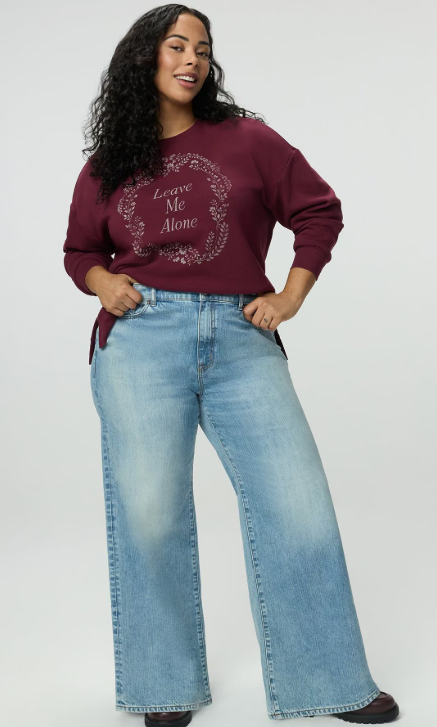
Bootcut jeans widen gently below the knee, while flare jeans have a more dramatic hem. Both work especially well with boots, wedges, platforms, and pointed shoes. Wide-leg denim offers fluid movement and a relaxed drape, but a secure waistband and a rise that feels good while seated are especially important. Fitted tops, bodysuits, tucked blouses, and cropped jackets can provide balance when the leg is roomy.
Pick the Right Rise for Comfort
High-rise jeans provide more midsection coverage and can work well with tucked tops. Mid-rise jeans offer moderate coverage that many people find easy for daily wear. Low-rise jeans sit closer to the hips and may appeal to anyone who dislikes a waistband near the natural waist.
Judge rise height while sitting, not only while standing in front of a mirror. Torso length, waistband stretch, and pocket placement can all change how a rise feels and looks. The best choice is the one that stays in place without digging in or rolling down.
Compare Stretch, Structure, and Fabric Recovery
Rigid denim usually feels more structured and may soften with wear. Comfort-stretch denim blends cotton with elastic fibers for easier movement, while super-stretch styles can feel especially flexible. Stretch alone does not guarantee a great fit. Fabric recovery, or the ability to return toward its original shape after wear, matters just as much.
Check fiber content before buying. If jeans feel ideal for the first hour but become loose at the knees, seat, or waistband later, they may not have enough recovery for your preferences. A pair should stretch with you without quickly losing its shape.
Use Wash, Color, and Details to Set the Mood
- Dark wash: A polished choice for dinners, offices, and structured layers.
- Medium wash: A dependable everyday option that works across seasons.
- Light wash: A relaxed choice for casual outfits and weekends.
- Black denim: A clean foundation for evening looks and monochrome outfits.
Distressing, embroidery, cargo pockets, coated finishes, and contrast stitching are style options, not requirements. Choose details that support the outfits you already enjoy wearing.
Measure Inseam and Check the Hem
- Measure the inseam of jeans you already wear often.
- Consider the shoes you will wear most with the new pair.
- Choose an ankle, shoe-skimming, or longer hem based on the silhouette.
- Compare short, regular, and tall lengths when they are available.
- Try cropped jeans with your preferred flats, sneakers, boots, or heels before deciding.
Simple Outfit Formulas for Different Days
- Casual errands: Straight-leg jeans, a soft tee, an open cardigan, and sneakers.
- Casual office: Dark-wash bootcut jeans, a blouse, a blazer, and loafers.
- Weekend plans: Relaxed jeans, a fitted tank, a denim jacket, and sandals.
- Evening out: Black flare jeans, a sleek top, statement jewelry, and heeled boots.
- Travel: Stretch straight-leg or wide-leg jeans, a breathable top, and supportive shoes.
Common Jeans Shopping Mistakes
- Buying only by the size printed on the label.
- Ignoring inseam and hem length until the jeans arrive.
- Choosing stretch without considering shape recovery.
- Expecting one silhouette to work for every occasion.
- Skipping the sit-and-move test.
- Treating a fashion rule as more important than personal preference.
Frequently Asked Questions
Should Plus-Size Jeans Feel Tight When They Are New?
They should feel secure, but they should not pinch, restrict movement, or create strong pulling lines. Some denim relaxes with wear, but discomfort is not a reliable sign that the fit will improve.
What Jeans Work Well for a Fuller Midsection?
High-rise, mid-rise, contoured-waist, straight-leg, bootcut, and wide-leg styles can all work well. Testing several rises and waistbands is usually more useful than relying on a single style rule.
How Can Jeans Stop Gaping at the Back?
Compare your waist and hip measurements, try a contoured waistband, or test a different rise or cut. Sizing down may create discomfort elsewhere if your hips and thighs need more room.
Final Fit Checklist
- The waistband stays in place without pinching.
- The hips and thighs have room for normal movement.
- The rise feels comfortable while sitting.
- The fabric stretches without quickly losing shape.
- The inseam works with the shoes you wear most.
- The wash and silhouette work with at least three outfits in your closet.
The best plus-size jeans are not defined by one trend, one body-shape chart, or one size label. When comfort, proportion, fabric, and everyday versatility work together, denim becomes easier to shop for and easier to wear throughout 2026.



3 Comments
heather
These are some great tips to keep in mind. I like to try on my jeans before I purchase them also I think where they are made are important when it comes to sizing.
Jeffrey
sadly, not too many stores sell plus sized jeans.
Terri Quick
Great tips