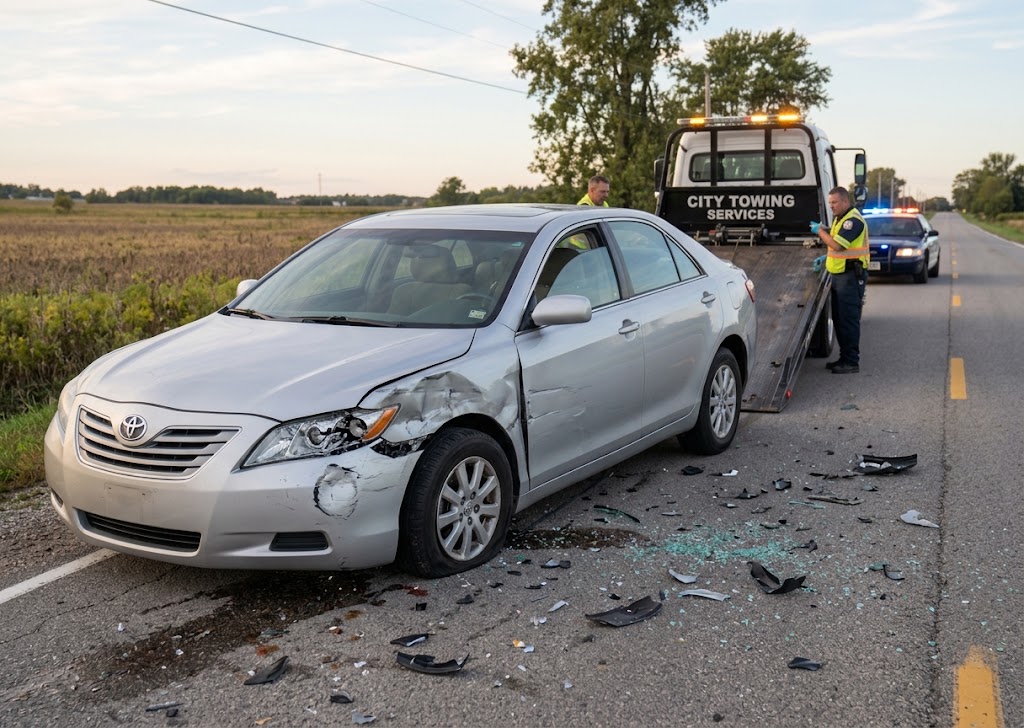
What Happens After the Tow Truck Leaves?
There is something strangely final about watching your damaged car disappear on the back of a tow truck. The road starts to clear, the flashing lights eventually leave, and everyone else gets on with their day.
For the people involved in the crash, however, that is often when a completely different process begins.
Your Car Hasn’t Simply “Gone to the Shop”
The next few days can involve insurance calls, storage yards, repair estimates, medical appointments, and questions you probably never expected to be asking. Understanding this less visible side of an accident can make it easier to know what deserves your attention.
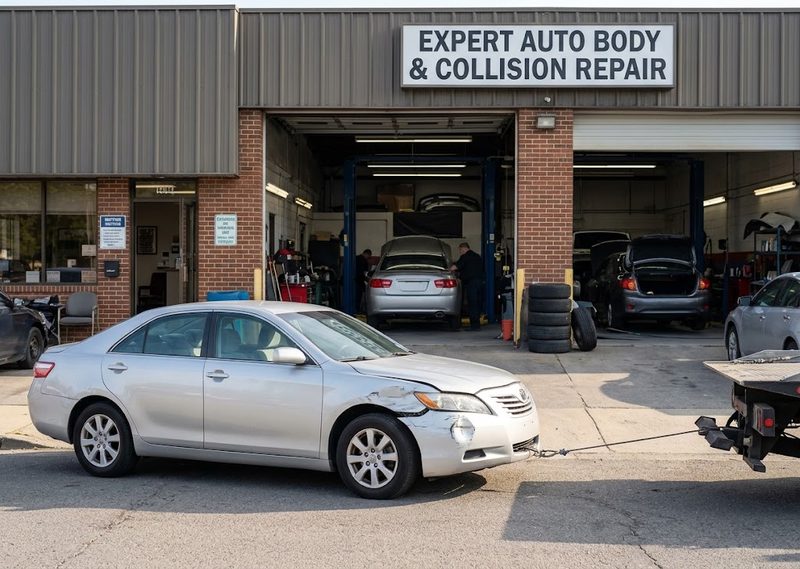
One of the first questions to answer is surprisingly basic: where exactly is your vehicle?
A damaged car might be taken to a repair facility, but it could also be transported to a towing or storage yard. That distinction matters because storage charges can accumulate while decisions are being made.
Find out where the vehicle is, who has possession of it, and whether storage fees are being charged. Your insurance coverage may include towing or roadside assistance, but exactly what is covered depends on the policy.
It is a small administrative detail that can become considerably more important if the vehicle remains there for several days.
The Accident Becomes a Paper Trail
At the scene, everything feels physical: damaged metal, broken glass and blocked traffic. Afterwards, the accident increasingly becomes a collection of documents.
Photographs, insurance details, repair estimates, medical bills, police information, emails and receipts can all become relevant. The NAIC recommends keeping notes of conversations with insurers, claims adjusters and repair shops.
A useful approach is to create one folder specifically for the accident. Save documents digitally where possible and make a simple timeline of important calls, appointments, and decisions.
Your future self will appreciate not having to search through six months of emails for one repair estimate.
“Totaled” Doesn’t Necessarily Mean Destroyed
A car can look repairable and still be declared a total loss.
The decision is ultimately financial. If repairing an older or heavily damaged vehicle does not make economic sense compared with its value, an insurer may decide to total it rather than authorize repairs.
This can create another question if the vehicle is financed: what happens if you still owe more than the car is worth? GAP coverage may help with that difference in some circumstances, depending on the coverage purchased.
That is why it is useful to understand both your insurance policy and any finance agreement rather than assuming the vehicle itself is the only issue.
The Physical Aftermath Can Outlast the Roadside Drama
The car is not necessarily the most important thing to monitor.
Some injuries and symptoms may become more noticeable after the immediate shock of an accident has passed. Medical concerns should therefore be taken seriously, even when the collision initially seemed relatively minor.
Keep medical appointments, bills, and related paperwork together. More importantly, seek appropriate medical attention when needed rather than making assumptions about whether a new symptom is connected to the crash.
Insurance Questions Can Become Legal Questions
Many accidents are resolved through the normal insurance process. Others become more complicated, particularly when injuries are involved, responsibility for the collision is disputed, or there are disagreements over losses.
At that stage, understanding the difference between an insurance question and a legal one becomes useful. The team at accidentlawfirm.com can provide information about accident-related legal issues, while an attorney licensed in the relevant state can advise on individual circumstances.
Rules surrounding insurance and accident claims vary between states, so general online advice should not be treated as a substitute for advice relating to a specific case.
The Real Disruption Is Often Ordinary Life
One overlooked consequence of an accident is how quickly it creates everyday problems.
How are you getting to work tomorrow? Who is handling the school run? Is there a child seat or work equipment still inside the vehicle? Do you have rental reimbursement coverage? Can you work normally if you are injured?
Rental reimbursement, for example, may be available under some auto policies while a covered vehicle is being repaired, but limits and conditions can apply.
These practical questions rarely feel as urgent as the crash itself, yet they can become the biggest source of disruption over the following weeks.



One Comment
heather
This was a very informative post. I so hate anything that involves a tow truck!