An Easy Way To Understand Backflow and Its Risks
Backflow sounds like something your sink does just to annoy you, but it actually creates serious problems. It happens when water flows the wrong direction through your plumbing system. Instead of clean water moving into your home, contaminated water sneaks back into the supply. This situation turns your morning coffee into something you definitely do not want to sip. Here’s an easy way to understand backflow and its risks.
What Backflow Actually Means
Backflow occurs when changes in water pressure force water to reverse direction. This reversal can happen during a pipe break or sudden pressure drops. When pressure drops in the main line, your plumbing system may pull in outside contaminants. Yes, your pipes can basically panic and make bad decisions.
Water contamination in city pipes becomes a real concern when backflow enters the system. Harmful substances like chemicals, bacteria, or debris can mix with clean water supplies. This issue can affect your home and potentially your neighbors’ water. Suddenly, everyone shares the same plumbing nightmare.
Why Backflow Poses Real Risks
Backflow does more than inconvenience you; it creates health hazards. Contaminated water can carry pesticides, fertilizers, or even waste into your drinking supply. No one wants their tap water to double as a science experiment. Even small amounts of contamination can cause serious health issues over time.
Homes with irrigation systems or outdoor hoses face higher risks. These systems often connect directly to the main water line, which increases the chance of contamination. If you leave a hose submerged in a pool or bucket, you create a perfect setup for backflow. That innocent garden hose suddenly becomes a villain.
How Backflow Prevention Works
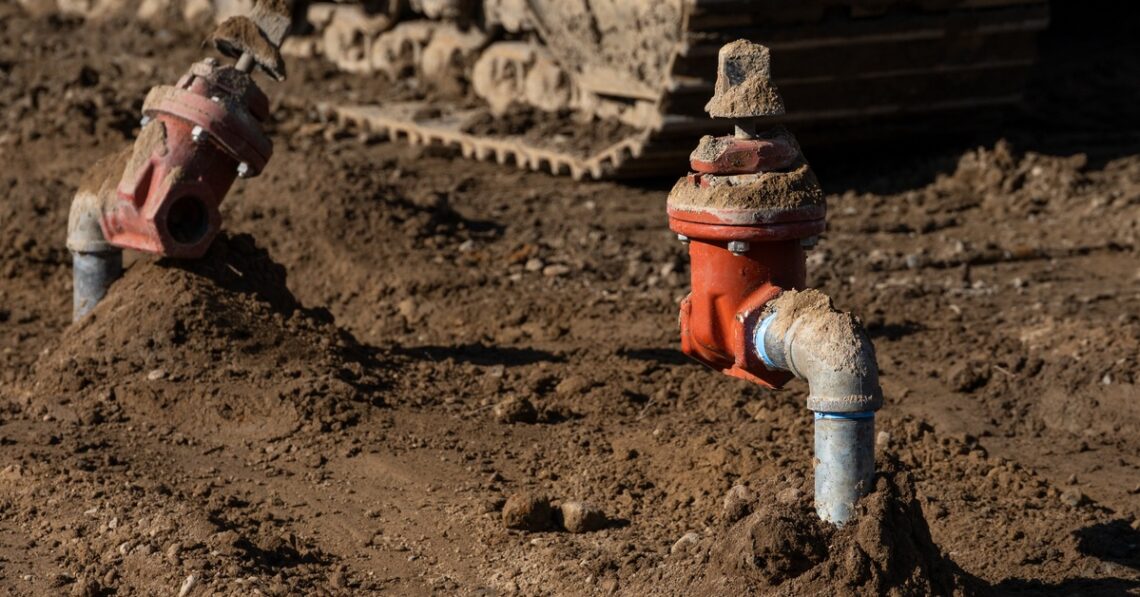
Plumbing systems include devices designed to stop backflow before it starts. Backflow prevention in check valves plays a key role in keeping water moving in the correct direction. These valves allow water to flow one way and block reverse movement. Think of them as strict bouncers who refuse entry to anything suspicious.
You can install different types of backflow preventers depending on your setup. Some systems use simple check valves, while others rely on more advanced devices. Regular maintenance ensures these systems continue working properly. If you ignore them, they may fail when you need them most.
Signs You Might Have a Problem
Backflow doesn’t always announce itself with flashing lights and dramatic music. You need to watch for subtle warning signs around your home. These clues will help you catch issues before they become serious:
- Water tastes strange or smells unusual
- Faucet pressure suddenly drops or fluctuates
- Discolored water appears from taps
- You notice sediment or debris in water
- Outdoor water use causes indoor changes
While these red flags may seem minor, but they often point to bigger issues in your plumbing system.
Backflow may sound like a minor inconvenience, but it can cause major problems if ignored. Understanding how it works helps you protect your home and your health. With the right prevention methods and a little awareness, you can keep your water supply clean and safe. And honestly, your pipes will thank you for not letting chaos take over.


You May Also Like
Beauty Box 5 January 2016!
Jeulia Unique Engagement rings for women sale 2020