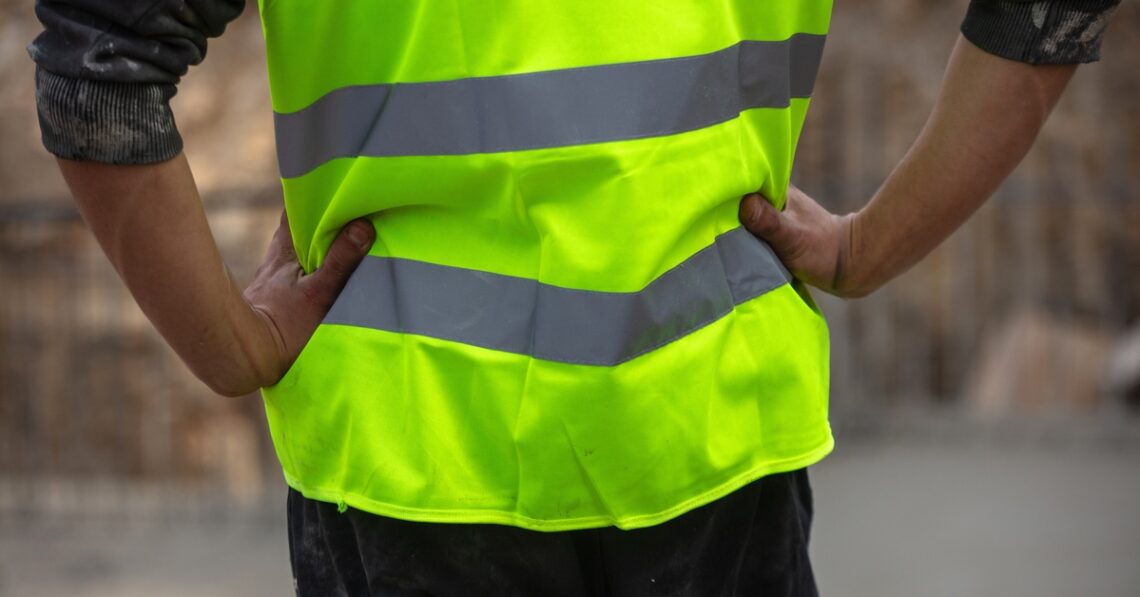
Choosing the Right Hi-Vis Workwear for Your Industry
Worker safety relies on visibility. In bustling warehouses, active construction sites, or roadside maintenance zones, being visible is the difference between a typical workday and a tragic accident.
However, selecting the appropriate gear involves more than just grabbing the brightest vest on the shelf. It requires understanding specific standards, environmental conditions, and the unique hazards of your workplace.
Understand the ANSI/ISEA Standards
The first step in choosing the right hi-vis workwear for your industry is consulting the American National Standards Institute (ANSI) and the International Safety Equipment Association (ISEA). Specifically, the ANSI/ISEA 107-2020 standard dictates the requirements for high-visibility safety apparel (HVSA).
This standard categorizes apparel into types and classes based on the work environment and risk:
- Type O (Off-Road): For non-roadway environments where workers face struck-by hazards from moving equipment, but traffic speeds are low.
- Type R (Roadway): For workers exposed to traffic on public access rights-of-way or temporary traffic control zones.
- Type P (Public Safety): Specific to emergency responders and law enforcement personnel.
Within these types, classes (1, 2, or 3) determine the amount of background and retroreflective material required. For example, Class 3 offers the highest visibility and is typically necessary for high-speed traffic areas or low-light conditions.
Assess Environmental Conditions and Comfort
Safety managers must consider the physical environment where they wear gear. In Florida’s humid climate, heavy, non-breathable fabrics can lead to heat stress, creating a secondary safety hazard.
Look for moisture-wicking materials and mesh designs that allow airflow while maintaining compliance. Conversely, if your facility includes cold storage or outdoor night shifts, you may need insulated hi-vis jackets that provide warmth without compromising visibility.
Evaluate Durability and Maintenance
High-visibility clothing loses effectiveness if it becomes dirty or worn out. When choosing the right hi-vis workwear for your industry, consider how the gear interacts with the specific tasks your team performs.
- Grease and Oil: If workers handle machinery, choose dark-bottomed vests or pants. The dark fabric hides dirt in high-contact areas, keeping the fluorescent sections cleaner for longer.
- Flame Resistance (FR): In industries such as oil and gas or electrical utilities, standard polyester hi-vis gear melts under heat. You must select apparel that is both high-visibility and FR-compliant to protect against arc flashes or flash fires.
Prioritize Proper Fit
Ill-fitting safety gear poses a snagging hazard. Vests that are too loose can catch on moving machinery, while gear too tight restricts movement and discourages compliance. Ensure you offer a range of sizes to accommodate all body types within your workforce. By carefully evaluating standards, environment, and durability, you ensure your team remains visible and safe.
Take the Next Step in Safety
Don’t wait for an incident to upgrade your safety protocols. Review your current inventory against the latest ANSI/ISEA standards today. A proactive approach protects your most valuable asset—your people—and keeps your operations running smoothly.





4 Comments
Tamra Phelps
I had a friend whom worked with road work crews and he always talked about how often the guys/women working the actual traffic control, waving cars by, etc., had the mostdangerus job because drivers are so careless sometimes. Absolutely, those bright yellow jackets are necessary! At least the workers will be very visisble.
Connie: The Head Peanut
My Dad was a welder for the City and County of Denver. A drunk driver hit him while he was working. He was laid up for quite a long time. This was before they had lookouts and bright color jackets. Not that it would have made much of a difference with a drunk driver…. maybe?
l p
this is such an interesting article. I had no idea so much would be involved in choosing a high visibiltiy vest. the information can certainly be transferred to one for the general population, I would think. thanks
Connie: The Head Peanut
Isn’t that the truth. Stuff I really had not given any thought too before.