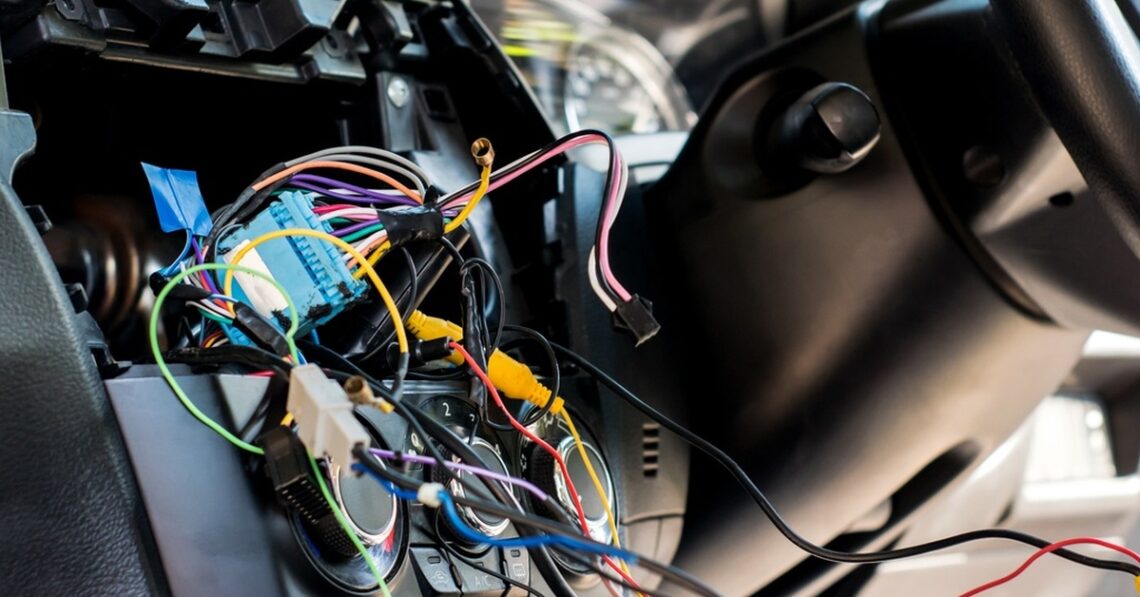
Common Causes of Automotive Connector Failure
Automotive connectors handle a tough job every day, from heat under the hood to constant vibration on the road. When one fails, it can throw off an entire system, from lighting to engine performance. That’s why it helps to understand what leads to failure and how to spot trouble early. In this breakdown of common causes of automotive connector failure, you’ll get a clear look at what goes wrong and what to watch for. Take a few minutes to review these points so your next repair or inspection stays on track.
Corrosion from Moisture Exposure
Moisture ranks high on the list of connector issues. Water finds its way into connections through worn seals or exposure to the elements. Once inside, it reacts with metal terminals and leads to corrosion that disrupts conductivity. You might notice green or white residue, along with intermittent electrical behavior.
Road salt makes this worse, especially in colder climates. A connector that looks fine from the outside can hide damage within. Regular inspection helps catch early signs before the connection fails completely.
Heat and Thermal Cycling
Temperatures under your car’s hood rise and fall with every drive. That constant shift causes materials to expand and contract, which stresses connectors over time. Plastic housings can warp, and terminals may lose proper contact pressure.
High heat can also degrade insulation around wires. When insulation breaks down, exposure leads to shorts or inconsistent signals. This type of wear doesn’t happen overnight, but it builds up with repeated use.
Vibration and Mechanical Stress
Vehicles deal with nonstop movement, and connectors sit right in the middle of it. Vibration loosens terminals, especially in areas near the engine or suspension. A loose connection might work one moment and fail the next. Poor routing can add more stress. If a harness sits too tight or rubs against sharp edges, connectors take on extra strain.
Over time, that strain weakens both the housing and the internal contacts. There are many ways to improve your level of safety in your car. However, keeping electrical systems in check is a surprisingly effective way to keep your vehicle safe every day.
Improper Installation
Not every failure comes from wear. Installation errors play a major role in connector problems. A terminal that isn’t fully seated can lead to weak electrical contact. Incorrect crimping can also cause resistance issues that affect performance.
Mixing incompatible connectors creates another layer of trouble. Each vehicle requires specific connector types, and using the wrong one can lead to fitment issues. This is where sourcing the right part matters in a big way.
When you look at common causes of automotive connector failure, a pattern becomes clear. Most problems trace back to environment, stress, or incorrect handling. A quick inspection routine and proper part selection can help you avoid many of these issues.
Take time to check connectors during routine service and replace worn components before they fail. You should always follow the best practices for plug connector maintenance. These small steps can save hours of troubleshooting later and keep your vehicle running the way it should.


You May Also Like

Somnis Natural Sleep Aid Review

Fancy China and KYOKU Japanese Non-Serrated Steak Knives