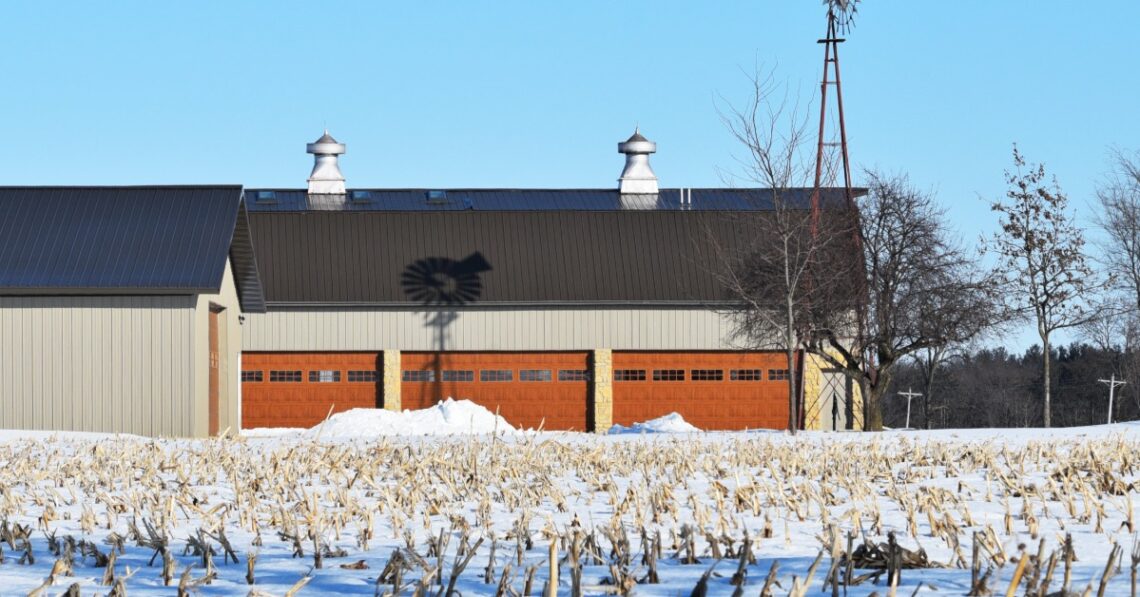
Comparing Pole Barns and Stick-Built Garages
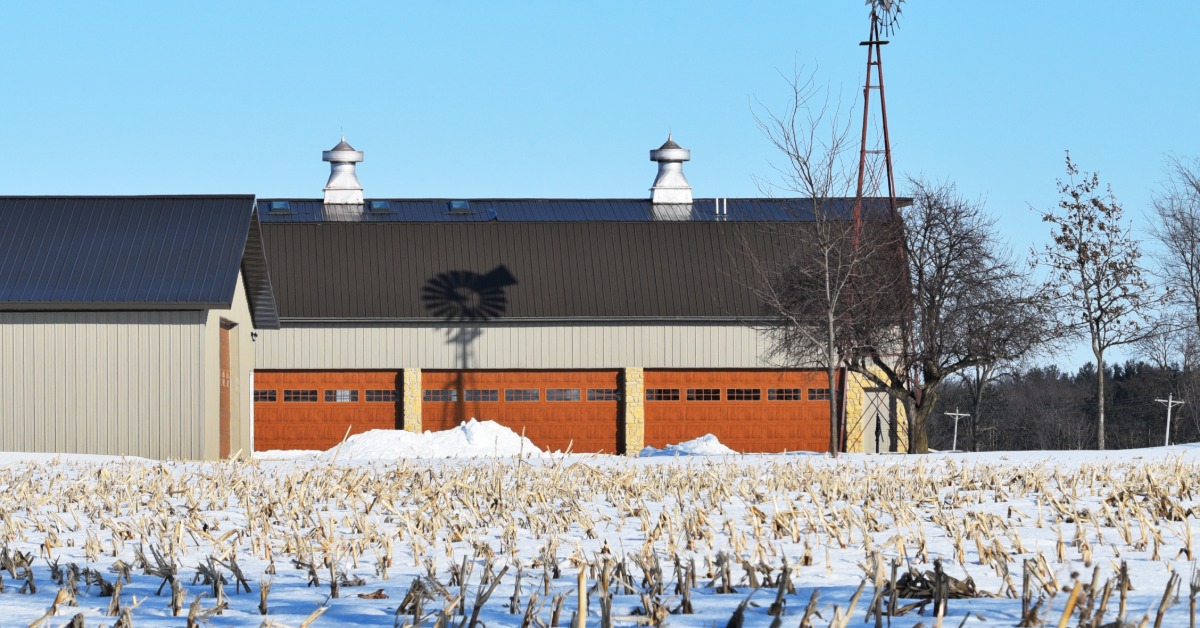
When property owners start comparing pole barns and stick-built garages, the debate usually begins with cost and ends with long-term value. Both structures store vehicles, tools, and equipment. However, their construction methods, durability, and flexibility differ depending on your needs and property.
How Do They Differ Structurally?
Pole barns rely on large posts set into the ground or anchored to a foundation. Builders space these posts several feet apart, then attach horizontal girts and metal panels. This method eliminates the need for continuous footings and extensive framing, which means construction often moves quickly and keeps labor costs lower.
Stick-built garages follow traditional residential framing. Contractors build them stud by stud on a continuous concrete foundation. This approach mirrors home construction, which can simplify permitting in residential neighborhoods. It also creates thicker wall cavities that accommodate standard insulation methods more easily.
Each structure offers strength, but they distribute loads differently. Post-frame construction resists wind effectively because the embedded posts anchor the building directly to the ground. Stick framing, on the other hand, distributes weight across the foundation and walls in a more conventional pattern that many contractors know well.
What About Cost and Speed?
Pole barns typically cost less per square foot. Fewer materials, simpler foundations, and faster build times all contribute to lower upfront expenses. If you need a workshop or equipment storage without a long construction timeline, post-frame design often wins on efficiency alone.
Stick-built garages, however, can match the architectural style of your home. They integrate easily with existing siding, roofing, and trim details. That visual harmony can improve curb appeal and property value. The right structure can also expand usable space and functionality for your entire family.
Which One Lasts Longer?
Durability depends less on the label and more on design, materials, and maintenance. Treated posts, proper drainage, ventilation, and quality roofing all affect performance over time. Factors such as climate, soil conditions, and construction details determine the life expectancy of a pole barn.
Stick-built garages can last decades when builders use quality lumber and maintain the exterior properly. Pole barns can match that lifespan when owners prioritize site preparation and moisture control from the start.
Making the Right Choice for Your Property
Comparing pole barns and stick-built garages comes down to purpose. If you prioritize affordability, open interior space, and speed, a pole barn delivers practical efficiency. If architectural consistency, traditional framing, and neighborhood aesthetics rank higher, a stick-built garage may serve you better. Both options provide secure storage, flexibility, and long-term utility. The best choice will align with your budget, your climate, and your goals for the structure.


You May Also Like

Making a Lifetime Commitment to Your Wellbeing

H2oVibe Rain Showerhead Jet with Wireless Bluetooth Speaker Review