How Cold Weather Affects Lawn Mower Performance
Cold mornings and stubborn lawn mowers tend to show up together. You pull the cord, nothing happens, and suddenly your weekend plans feel personally attacked. Understanding how cold weather affects lawn mower performance helps you avoid frustration and keep your mower ready when it’s time for it to wake up.
Cold Temperatures Change How Engines Behave
Cold air thickens engine oil and slows internal movement. Your mower’s engine needs more effort to turn over, which explains why cold starts feel harder than usual. Fuel also struggles to vaporize in low temperatures, making combustion less reliable.
When everything moves slower, your mower demands better ignition and cleaner components. Without them, starting issues multiply fast.
Fuel Systems Don’t Love the Cold Either
Gasoline absorbs moisture as temperatures fluctuate. That moisture can freeze inside fuel lines or the carburetor, blocking proper flow. Even small amounts of water cause rough starts and sputtering.
Cold weather also exposes dirty components faster. A fouled spark plug may work fine in summer but fail completely in winter conditions. Cleaning a fouled lawn mower spark plug can make cold starts far less dramatic when temperatures drop.
Batteries and Spark Plugs Lose Efficiency
If your mower uses a battery, cold weather reduces its output. Batteries lose cranking power as temperatures fall, even when they worked fine a week ago. Spark plugs face a similar issue, since weak sparks struggle to ignite cold fuel mixtures.
This combination explains why many homeowners blame the mower when the real issue is in the ignition system. Strong, efficient sparks matter far more when cold weather pushes everything to work harder.
Storage Habits Make or Break Cold Performance
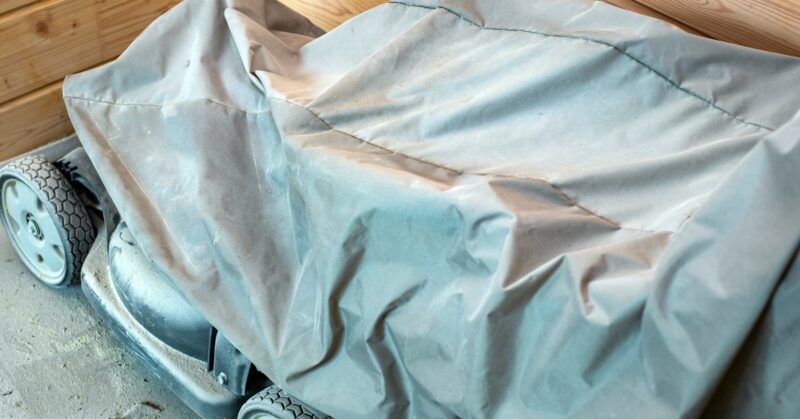
Leaving your equipment exposed to cold nights allows moisture to creep into fuel systems and metal components. Garages, sheds, or covered storage slows damage.
Homeowners who care about curb appeal already know that small habits protect big investments. Some of the best ways to keep your house looking good focus on prevention, and mower care works the same way when you stay ahead of problems
Practical Steps To Reduce Cold Weather Issues
You don’t need advanced mechanical skills to improve winter mower performance. Focus on these basics:
- Use fresh fuel and drain old gas before long storage
- Check and clean spark plugs before temperatures drop
- Store your mower in a dry, protected space
- Run the engine briefly every few weeks to prevent buildup
- Replace worn ignition parts before they fail in cold weather
Once you understand how cold weather affects lawn mower performance, you gain control instead of guessing. Set aside a few minutes this week to check your mower and clean key components. You’ll appreciate the effort when your mower fires up easily and your weekends stay right on schedule.


You May Also Like

Win 2 Tickets to “I’m In Love With A Church Girl”

Day 6 Photo-A-Day High Angle