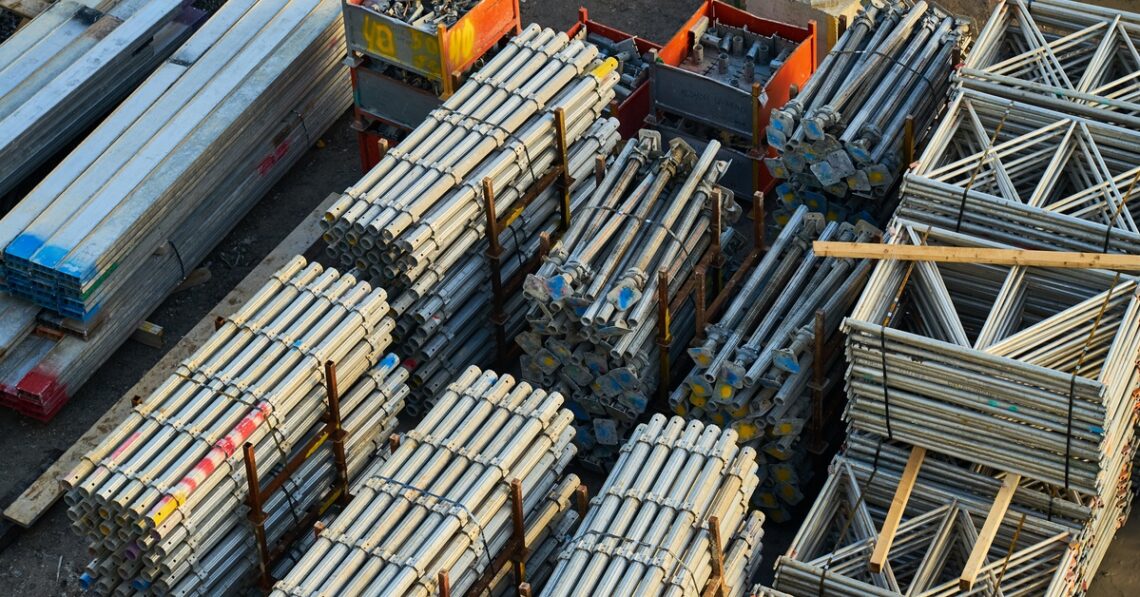
How To Secure Tools and Materials on Unattended Job Sites
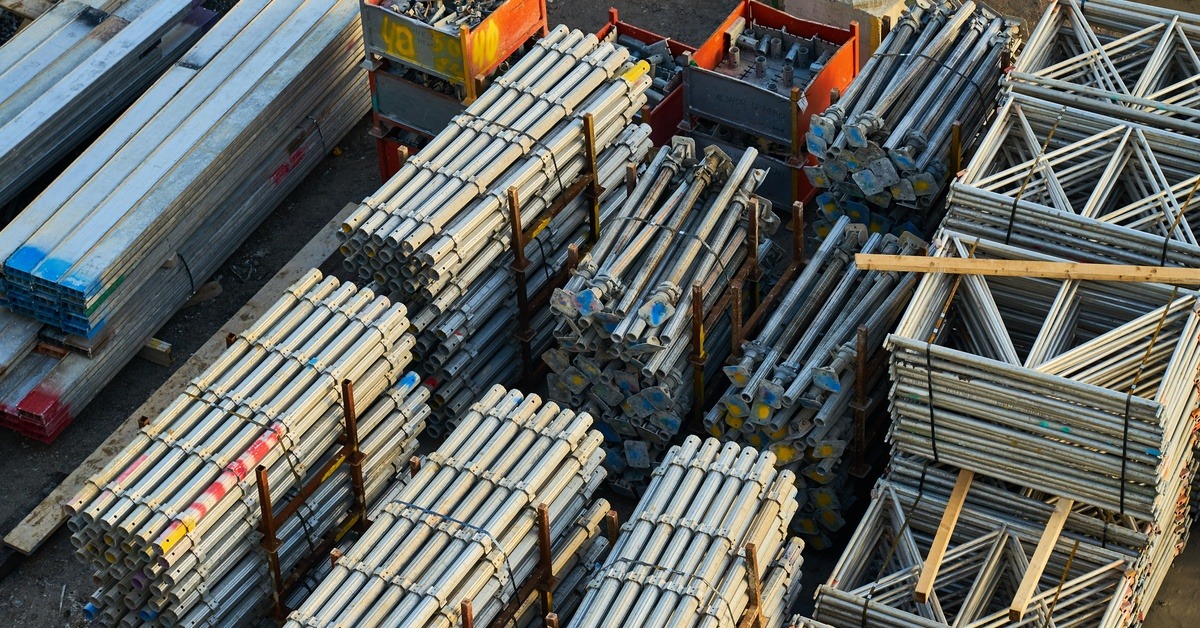
You don’t have to work long in construction to learn one universal truth: if it’s not bolted down, someone might walk off with it. That’s why learning how to secure tools and materials on unattended job sites isn’t just a smart idea; it’s job site survival 101.
Whether you’re in a major metro or a quiet pocket of Idaho like Sandpoint, resources are valuable, and that makes them vulnerable. Let’s cover a few practical, no-nonsense strategies that will keep a job site secure, even when no one’s watching.
Establish a Perimeter
Before you worry about fancy locks and reinforced boxes, start with the basics: keep people out. Perimeter fencing sends a message that the site is off-limits after hours.
Combine fencing with locked gates, motion-sensor lighting, and visible security signage. Even dummy cameras or warnings about 24-hour surveillance can make would-be thieves think twice.
And yes, in small towns like Holden, Massachusetts, this still matters. Small-town charm doesn’t stop someone from swiping a saw.
Use the Right Locks
That $6 lock from the hardware store is great for a high school locker, but not so much for thousands of dollars’ worth of tools. So, how do you choose the right industrial padlock for a job site that gets hammered by bandits and thunderstorms?
Look for models with shrouded shackles, hardened steel bodies, and tamper-resistant keyways. And don’t forget to plan where to keep the keys. Someplace secure, communicated, and not under the nearest pile of scrap wood is best.
Invest in Proper Storage
Let’s say someone does make it onto a site. If the tools are sitting out in plastic bins or unlocked sheds, that’s an invitation. A good storage container is built like a vault and should be just as hard to crack.
Think welded steel boxes with reinforced corners and recessed locks. Bonus points if you chain the boxes to fixed anchor points or use motion-sensor lighting nearby.
For larger equipment, such as generators, compactors, or small machinery, consider GPS trackers. They won’t stop theft in progress, but they will help to find what’s missing, and fast.
People Make a Difference
Even with industrial-grade locks and secure storage, the best line of defense is your team. Clear communication, consistent routines, and basic shared responsibility go a long way in keeping a site buttoned up.
Fostering a culture that values accountability and vigilance also means improving workplace safety in infrastructure sectors. Whether it’s through team check-ins, buddy systems for locking up, or on-site training, a safer site is usually a more secure one.
One Last Tip
To round out your strategy for how to secure tools and materials on unattended job sites, don’t overlook this final step. Keep a daily inventory. No matter if it’s a whiteboard or a mobile app, tracking what’s on-site each day makes it obvious when something goes missing. You don’t want to find out you’re short a $2,000 drill weeks after it walked away.
Because let’s face it: no one likes filing insurance claims—except maybe your insurance agent.





One Comment
heather
I never really thought about this topic before but it sure is important. It is important to keep people out of the area too.