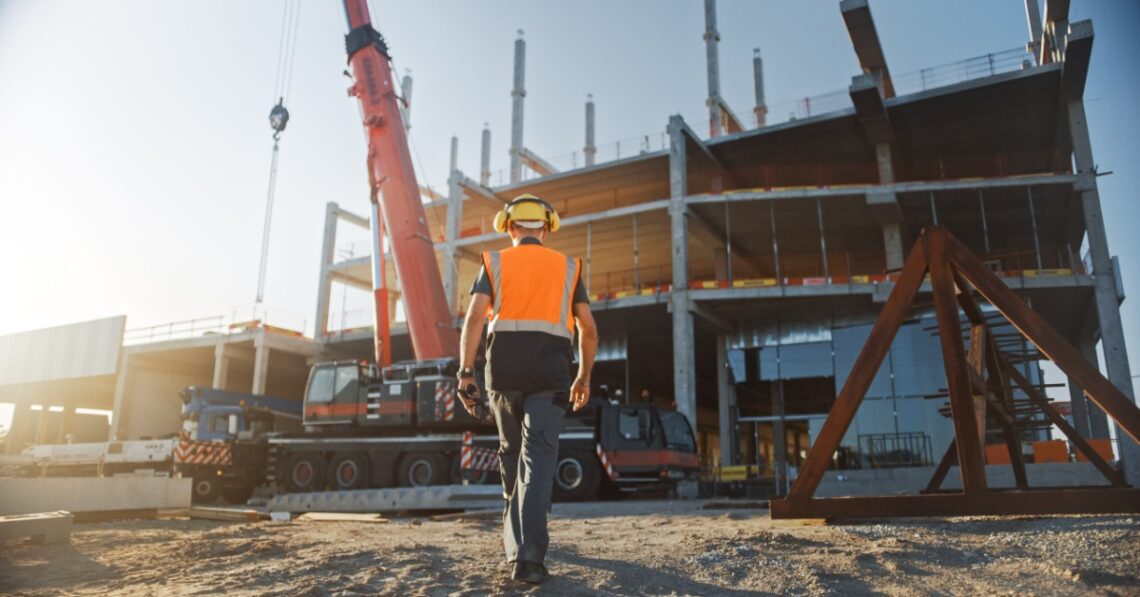
How Workwear Innovations Are Improving Jobsite Safety
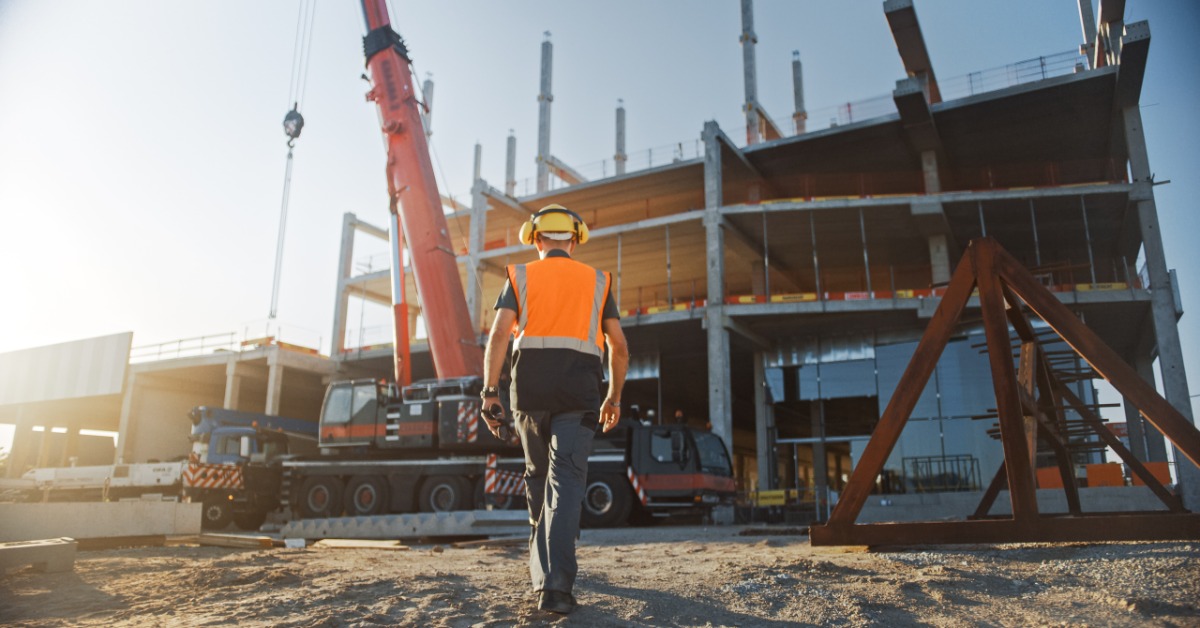
There was a time when jobsite clothing followed a simple philosophy: make it bright, make it thick, and hope for the best. Hard hats, reflective vests, and steel-toe boots did their job, but comfort and practicality were, well, optional.
Thankfully, the era of stiff, sweaty, one-size-fits-nobody safety gear is fading. Today’s workwear innovations are improving jobsite safety by becoming more practical for the people actually wearing the gear all day.
Smarter Fabrics That Do More Than Cover You
Traditional workwear was built tough, but not always thoughtfully. Modern safety apparel now incorporates fabrics that wick moisture, stretch with movement, and regulate temperature. This matters because when workers are comfortable, they’re more focused—and focus is a major factor in preventing accidents.
Some workwear materials even tackle hygiene. In physically demanding environments, antimicrobial high-visibility shirts are a game changer because they help reduce odor and bacteria buildup. These treated fabrics stay fresher longer, which is surprisingly helpful when someone’s logging ten-hour shifts in the heat.
Visibility That Works Day and Night
High-visibility gear used to mean neon colors and reflective tape, which is effective but not exactly cutting-edge. And let’s face it—if a safety vest fades after three laundry cycles, it’s basically a fashion statement instead of protection.
New safety apparel now integrates improved reflective materials, strategic panel placement, and even fabric technologies that maintain brightness after repeated washing. This apparel helps workers stay visible in dim conditions, bad weather, and chaotic environments where forklifts and trucks are constantly moving.
Specialized Gear for Specific Risks
Modern jobsite clothing is also becoming more task specific. Instead of being stuck with generic protective gear, workers now have access to equipment designed for particular hazards.
For instance, construction workers handling hot materials rely heavily on protective gloves built for extreme temperatures. The importance of heat-resistant gloves in construction cannot be overstated since this specialized safety equipment can prevent serious injuries. This shift toward targeted gear means fewer compromises between mobility and protection.
Comfort As a Safety Feature
It might sound strange, but comfort is increasingly being viewed as a legitimate safety factor for workwear. When clothing restricts movement, overheats workers, or fits poorly, people adjust it constantly or stop wearing it correctly. The latest workwear innovations improve jobsite safety because they focus on ergonomic design, breathable materials, and lighter construction, allowing workers to move naturally without sacrificing protection.
The Quiet Evolution of Jobsite Gear
Workwear may not grab headlines like power tools or heavy machinery can, but its evolution matters. Better materials, smarter design, and thoughtful features are reducing distractions, improving visibility, and helping workers stay protected throughout long, demanding days. And honestly, if clothing can make a tough job even a little safer—and a lot less sweaty—that’s progress worth appreciating.



One Comment
Rose
This is great info, and I have to say, I hadn’t really thought about this. I actually stay on the email list for our state’s OSHA materials, they have informational and training materials. I haven’t seen anything yet related to workwear. But perhaps they will soon!