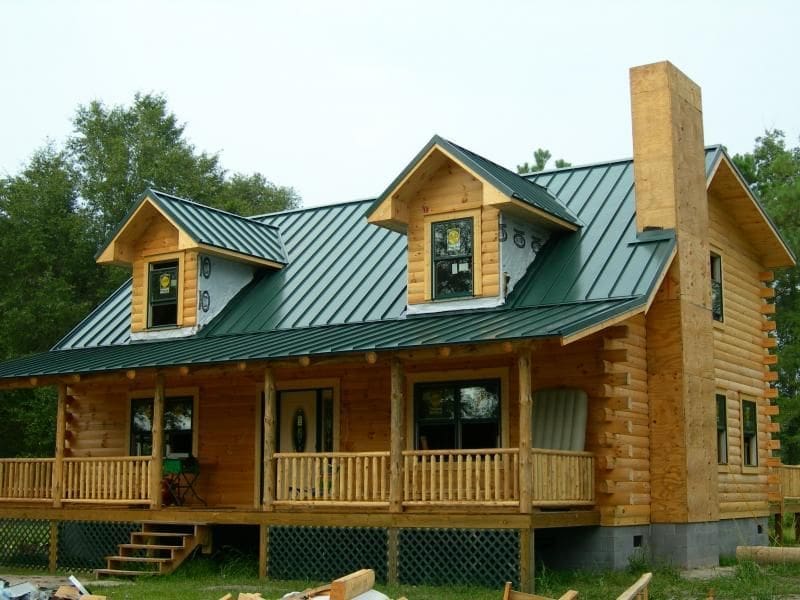
Metal Roofing In 2026: A Practical Checklist For Homeowners Before They Choose A System
Table of Contents
- Why Homeowners Are Considering Metal Roofing
- Start With The Property, Not The Panel
- Compare Common Metal Roofing Profiles
- Choose The Right Metal For The Setting
- Review The Full Roof Assembly
- Metal Roofing And Mid-Atlantic Weather
- Compare Value Over Time, Not Only The First Quote
- Common Metal Roofing Concerns
- A Six-Step Checklist Before Signing
A new roof affects more than curb appeal. It influences indoor comfort, water management, maintenance demands, and the long-term cost of owning a home. Metal roofing is no longer limited to barns, workshops, or commercial properties. Homeowners can now choose from clean, modern panels, traditional-looking shingles, and a variety of colors and finishes designed to complement nearly any exterior.
For Tri-State homeowners comparing residential options, Four Seasons Construction & Paving provides metal roofing services for homes and garages from its Williamsport, Maryland base. The company emphasizes proper underlayment, ventilation, material selection, permitting preparation, and careful installation, making it a useful local reference for property owners in nearby Maryland, Pennsylvania, and West Virginia communities. The most important decision, however, is not choosing a brand name or color first. It is choosing a complete roofing system that fits the property.
Why Homeowners Are Considering Metal Roofing
Metal systems appeal to homeowners who want a roof with a potentially long service life, strong weather performance, and fewer replacement cycles than many basic shingle systems. Reflective finishes may also help limit solar heat gain during warmer months, although attic insulation, ventilation, roof color, and home design all affect actual energy performance.
Modern metal roofing can be designed for heavy rain, wind, snow, hail, and changing temperatures when the panels, fasteners, flashing, and underlayment are properly matched. For a broader look at trends and educational topics affecting residential metal roofs, the Metal Roofing Alliance news and trends resource offers useful industry background.
Start With The Property, Not The Panel
Before comparing profiles or finishes, inspect the home itself. Roof slope, attic ventilation, existing decking, drainage paths, nearby trees, skylights, chimneys, and local weather conditions all influence the right recommendation. A roof that looks simple from the street can have challenging valleys, wall transitions, or penetrations that require additional planning.
Questions To Answer First
- How old is the current roof, and are there leaks, soft spots, or staining?
- Is attic insulation adequate, and can the attic ventilate properly?
- Is the project for a house, garage, shed, addition, or other structure?
- Where does rainwater flow after it leaves the roof?
- Are permits, local building codes, or neighborhood design requirements involved?
Compare Common Metal Roofing Profiles
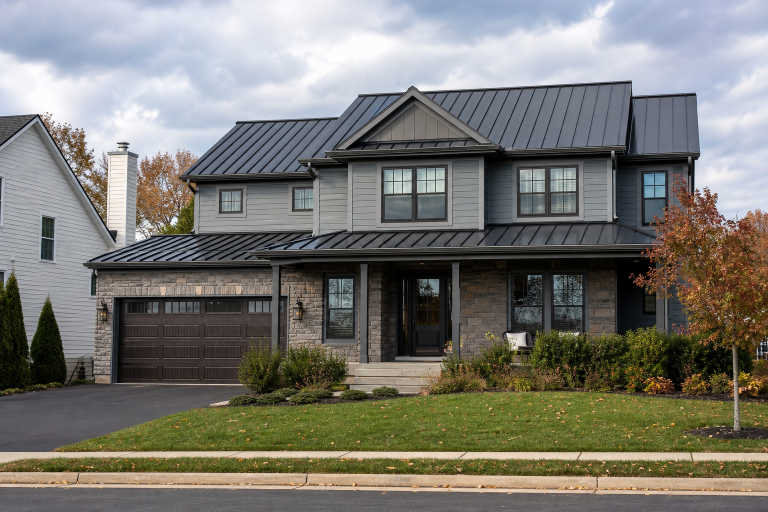
Standing-Seam Roofing
Standing-seam roofing uses raised vertical seams that conceal many fasteners and create a streamlined appearance. It is often selected for primary residences and long-term projects because concealed fastening can reduce the need for routine attention to exposed screws. Accurate measurements, panel expansion details, and skilled installation remain essential.
Exposed-Fastener Panels
Exposed-fastener panels can provide a practical, often more budget-conscious option for garages, outbuildings, and some homes. Their visible fasteners, washers, and sealants should be inspected periodically, as they are directly exposed to the weather. Lower initial cost should never mean skipping deck repairs, underlayment, or flashing work.
Metal Shingles And Decorative Panels
Metal shingles and decorative panels offer a more traditional roof appearance while retaining metal’s durability benefits. They can work well with brick, siding, stone, or older architectural styles. Compare the visual result with the installation method, availability of matching repair materials, and access around roof details.
Choose The Right Metal For The Setting
- Steel: A common choice that balances strength, availability, and value. Protective coatings and finish quality matter.
- Aluminum: Often considered where corrosion resistance is especially important, including damp or salt-exposed locations.
- Copper: A premium specialty material known for its distinctive appearance and changing patina over time.
- Zinc: Another specialty option with a unique aging pattern and typically higher material cost.
Climate, roof complexity, budget, desired appearance, and expected ownership period should all guide the choice. For basic background on materials, profiles, seams, and roof construction, homeowners can review this metal roof overview before discussing project-specific options with a qualified professional.
Review The Full Roof Assembly
Metal panels are only the visible layer of a roofing system. Long-term performance depends on the complete assembly:
- Sound structural decking that is dry and securely attached.
- Appropriate underlayment or approved roof membrane.
- Flashing at walls, chimneys, valleys, vents, skylights, and roof transitions.
- Balanced attic insulation and ventilation.
- Panels, seams, trim, fasteners, and closures are installed in accordance with the system requirements.
- Gutters, downspouts, and snow-management features were needed.
High-quality panels cannot compensate for weak flashing, trapped moisture, poor drainage, or rushed preparation. These details should be clearly described in a written estimate.
Metal Roofing And Mid-Atlantic Weather
Maryland, Pennsylvania, and West Virginia properties may experience hot summers, freeze-thaw cycles, snow, wind, hail, and heavy rain. That variation makes panel attachment, drainage, underlayment, and flashing especially important. A good design moves water away from walls, doorways, foundations, and walkways while accounting for site-specific issues such as shade, trees, steep slopes, or snow accumulation.
Compare Value Over Time, Not Only The First Quote
Metal roofing often costs more upfront than a basic asphalt shingle roof, but the first number on an estimate is not the full comparison. Review expected service life, maintenance needs, future replacement costs, finish quality, ventilation upgrades, and warranty terms.
When comparing quotes, confirm whether each one includes:
- The metal type, thickness or gauge, profile, color, and finish.
- Removal and disposal of the old roof, or a clearly explained overlay plan.
- Underlayment, flashing, trim, closures, and ventilation work.
- Decking repair allowances and how hidden damage will be priced.
- Permits, cleanup, final inspection, product coverage, and artistry coverage.
Common Metal Roofing Concerns
Is A Metal Roof Noisy?
With solid decking, insulation, underlayment, and finished ceilings, a residential metal roof is usually quieter during rain than many homeowners expect.
Will It Make The House Hotter?
No roofing material works alone. Color, coating, attic ventilation, insulation, and sunlight exposure all influence indoor heat. Reflective finishes can be beneficial in suitable applications.
Does Metal Attract Lightning?
Metal roofing does not automatically attract lightning. Homes with solar equipment, grounding systems, or other electrical features should be evaluated in accordance with applicable local guidance.
Can It Rust Or Go Over Shingles?
Corrosion risk depends on material selection, coating condition, cut edges, fasteners, standing water, and environmental exposure. Installation over existing shingles may be possible in some cases, but the decking condition, moisture content, manufacturer’s instructions, and local rules must be reviewed first.
A Six-Step Checklist Before Signing
- Inspect the current roof, attic, and drainage paths.
- Confirm slope, structure, ventilation, and any decking concerns.
- Compare metal types, profiles, finishes, and warranties.
- Request detailed written estimates from qualified contractors.
- Verify permits, local requirements, flashing plans, and cleanup procedures.
- Understand maintenance expectations before approving the contract.
Metal roofing can be a durable, attractive, long-term investment, but only when the system suits the property and the installation addresses the details below the panels. Careful inspection, transparent estimates, and a clear plan for ventilation, flashing, drainage, and weather protection will lead to a smarter roofing decision in 2026.




One Comment
Terri Quick
Thanks for the information