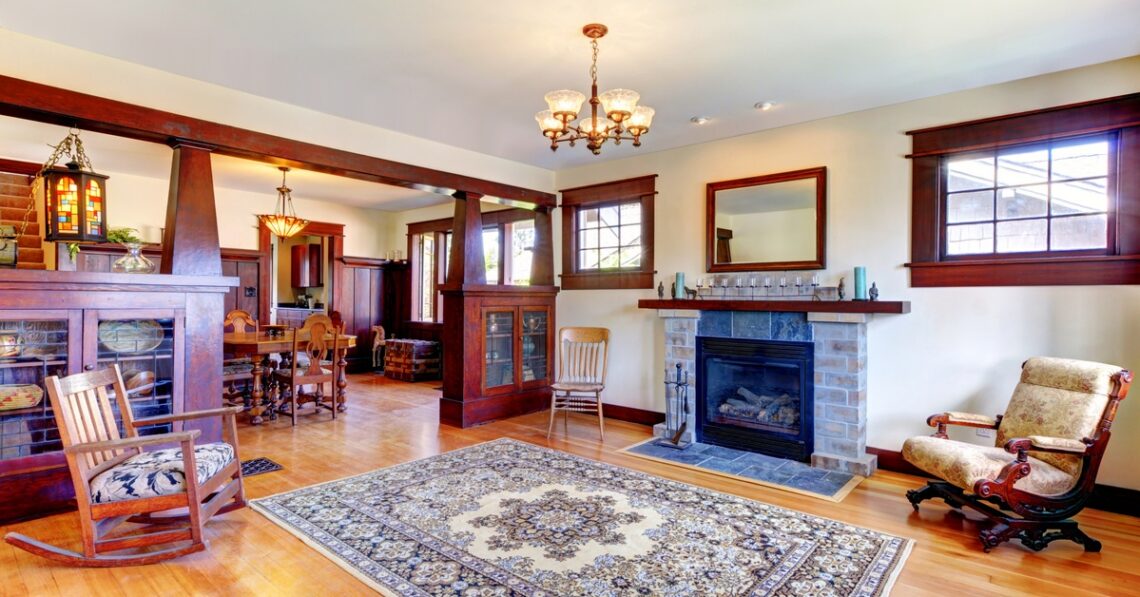
Common Radon Entry Points in Older Homes
Older homes have character, charm, and plenty of stories behind their walls. They can also have hidden pathways that let radon slip indoors. Radon comes from uranium breaking down in soil, rock, and groundwater. Once it forms beneath a home, it seeks easy ways to move upward.
Older construction methods, settling foundations, and years of wear can create small openings that welcome radon inside. Knowing where those common radon entry points tend to appear can help homeowners of older homes take the next smart step toward a safer living space.
Foundation Cracks
Foundation cracks rank among the most common radon entry points in older homes. As a house settles over time, concrete can shift, shrink, or split. Even narrow cracks can give radon a direct route from the soil into a basement or crawl space.
Sealing cracks in your foundation can help reduce openings, but homeowners shouldn’t treat sealant as the only solution. Radon can still enter through other gaps, joints, and porous materials. A radon test gives you a clearer picture of what’s happening indoors.
Basement Floors
Many older homes have unfinished basements with concrete floors that have aged for decades. Radon can move through cracks, gaps around floor drains, and joints where the floor meets the wall. Homes with sump pits may also need extra attention because those openings connect directly to the space beneath the slab.
A covered sump pit and well-sealed floor gaps can reduce entry points. Homeowners should still test after making improvements because radon levels can vary with weather, ventilation, and soil conditions.
Crawl Spaces
Crawl spaces can create major radon problems, especially when builders leave soil exposed. Radon can rise from the ground and accumulate beneath the living area. From there, air movement can draw radon into rooms above.
Older homes often have crawl spaces with poor sealing, loose access doors, or aging vapor barriers. Addressing high radon levels in older homes often begins with determining whether the crawl space contributes to the problem.
Utility Openings
Pipes, wiring, and utility lines require openings through walls and floors. Over time, gaps around these penetrations can widen or deteriorate. Radon can enter around plumbing pipes, electrical conduits, gas lines, and HVAC connections.
Homeowners often overlook these small spaces because they are behind appliances, in closets, or near basement ceilings. A careful inspection can reveal entry points that basic cleaning or remodeling projects miss.
Older Masonry
Stone foundations, block walls, and old mortar joints can also let radon pass through. Many older homes used materials that don’t seal as tightly as modern systems. Crumbling mortar, loose blocks, and porous surfaces can all create pathways for soil gas.
Radon reduction starts with awareness. Once you know where radon may enter, you can test the home, repair weak spots, and bring in a qualified radon professional when levels run high. Older homes deserve care that protects both their history and the people who live in them.
Protect Your Home
Common radon entry points in older homes can hide in many places. Once you know where radon may enter, you can take practical steps to reduce those pathways and test your home with more confidence. A qualified radon professional can help you choose the right long-term solution when levels run high. Your home’s age should add character, not unnecessary risk.





One Comment
Terri Quick
Interesting post