
Pressure Washing vs. Patio Cleaning Products: Which to Use?
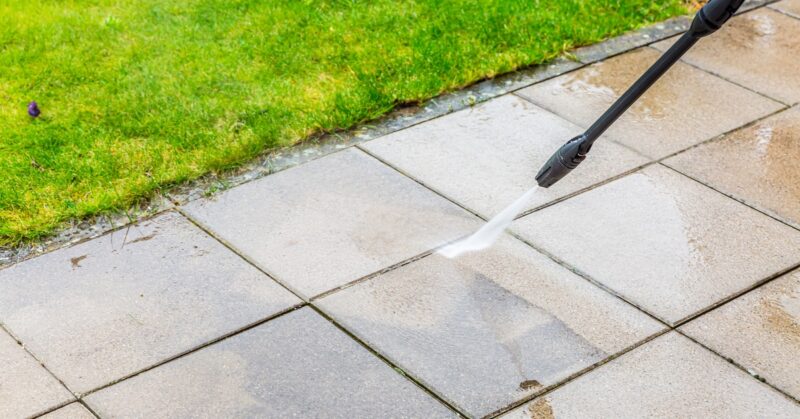
A stained patio can drag down the look of an outdoor space fast. Choosing between pressure washing vs patio cleaning products for stain removal and maintenance comes down to a few factors: the type of buildup, the patio material, and the result needed.
Pressure washing works well for loose dirt and surface debris. Patio cleaning products work better when stains come from algae or black spots that cling to the surface and resist a simple rinse. Keep reading to get a better idea of both methods and which to choose for your home patio.
What Pressure Washing Does Well
Pressure washing delivers speed and visible results on large areas. It clears away dust, pollen, soil, and other grime that sits on top of concrete or stone.
However, the strength of a power washing machine creates risk on softer or older surfaces. High pressure can strip and rough up natural stone and leave a patio looking cleaner but more worn. Small damage that comes from pressure washing can actually lead to more dirt and grime down the road, as the added texture leaves more places for dirt to hide.
Where Patio Cleaning Products Make More Sense
Cleaning products target the cause of the stain instead of just blasting the surface. That approach matters when a patio shows green growth or stubborn black lichen that keeps coming back.
One of the dos and don’ts of patio cleaning products to remember stresses the importance of matching the cleaner to both the stain and the surface. Also remember key basics like reading the label, testing a small area, and watching weather conditions before starting.
The Best Option Depends on the Problem
Some patios need pressure washing first and treatment second. A rinse can clear surface mess, while a targeted cleaner can handle the embedded staining left behind.
For quick decision-making, focus on the main issue:
- Use pressure washing for loose dirt, leaves, and other seasonal surface buildup.
- Use patio cleaners for algae, mildew, black spots, and repeat staining.
- Use extra care on sandstone and decorative finishes and avoid high-pressure washing.
How To Avoid Common Damage
The wrong method can create more work. Strong pressure can etch softer stone, while the wrong cleaner can discolor a patio or fail to treat the real problem.
A patch test should come first with any product. Try a lighter wash setting first with any pressure washer, especially on stone patios with age, texture, or visible wear.
When A Combined Approach Works Best
A mixed approach often delivers the cleanest result. Pressure washing clears the surface so the cleaner can reach the staining that sits deeper in the material.
That combination also supports long-term upkeep. Once the surface looks clean, simple updates like seating, shade, and decor can transform your patio into a more inviting outdoor area.
Pressure washing vs patio cleaning products is not an either-or choice in every case. Pressure handles surface mess well, while cleaning products tackle the growth and staining that water pressure often leaves behind.
Start by identifying the stain, checking the surface, and using the least aggressive method that will get the job done. Follow these steps helps you protect your patio and keeps results looking better for longer.




3 Comments
heather
This is a great post and one that I am going to save. I would really like to use a pressure washer in a few areas.
Thomas Gibson
I learned a lot from this article because it really explained when pressure washing works best versus when patio cleaning products are the smarter choice for protecting surfaces.
Terri Quick
Thank you for the the great advice