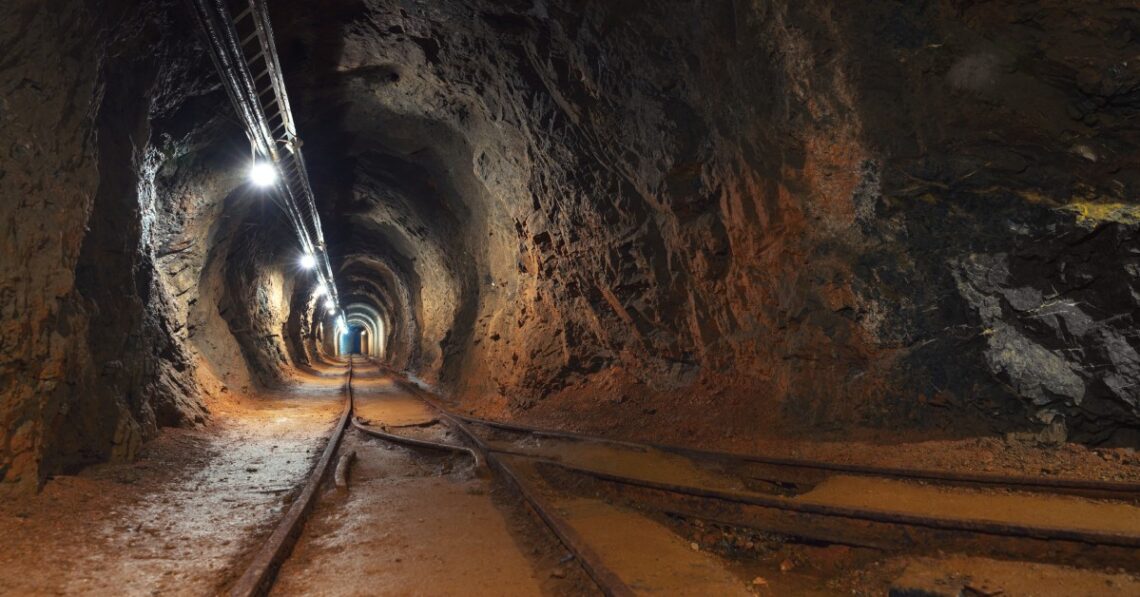
Safety Tips To Remember When Working in an Underground Mine

Working beneath the surface brings a unique set of challenges that few other professions face. The combination of heavy machinery, confined spaces, and potential geological instability requires constant vigilance. Safety protocols exist to keep everyone breathing and moving freely throughout the shift. By staying alert and following established guidelines, you protect not only yourself but your entire crew. These safety tips help you navigate the dark, demanding environment of an underground mine.
Wear Protective Gear
Your Personal Protective Equipment (PPE) serves as the first line of defense against workplace hazards. A properly fitted hard hat protects against falling debris, while safety goggles shield your eyes from rock dust and flying particles. Perhaps most critically, a high-quality respirator filters out harmful silica dust and particulates that hang in the confined air. Never start a shift without checking every piece of gear for damage. Replacing a cracked helmet or a worn filter immediately maintains the integrity of your protection.
Regularly Inspect Equipment
Machinery malfunctions cause serious accidents in underground environments. Operators must perform thorough pre-shift inspections on all drills, loaders, and conveyors. Look for loose bolts, leaking fluids, or frayed wires. Reporting a small issue now prevents a catastrophic failure later. A proactive maintenance schedule keeps the operation running smoothly and protects everyone on the team from the dangers of sudden equipment breakdown.
Monitor Air Quality
Deep mines often trap dangerous gases such as methane and carbon monoxide. Ventilation systems must run constantly to push fresh air to the working face. Technicians often use specialty gas mixtures to calibrate their detection equipment, guaranteeing accurate readings. Trust your sensors implicitly. If an alarm sounds or the air feels stale, move to a safe area immediately. Constant awareness of the atmosphere prevents respiratory issues and reduces the risk of combustion.
Follow Emergency Protocols
Panic turns a bad situation into a tragedy. Every worker needs to know the evacuation routes by heart. Regular drills help muscle memory take over when adrenaline spikes during a real crisis. Know the location of refuge chambers and how to operate the life-support systems inside them. Staying calm and following the established plan saves lives when seconds count.
Communicate Effectively
Dark, noisy environments make talking difficult, yet communication is important in these settings to coordinate movement and warn others of danger. Use hand signals, radios, or cap lamp flashes to convey messages clearly. If you see a hazard, report it immediately to the shift supervisor. A team that talks to each other looks out for each other, creating a safer environment for everyone involved.
Prioritize Safety Every Shift
Underground mining demands respect for the environment and for the equipment. By wearing the right gear, checking machines, watching the air, understanding the plans, and talking to your team, you significantly reduce risks. Stay vigilant and prioritize safety above speed every single day. Contact your safety supervisor to review the latest protocols for your specific site.




One Comment
heather
There is so much to consider when working in an underground mine. I have a lot of respect for those who are in this line of work because that is some hard work!