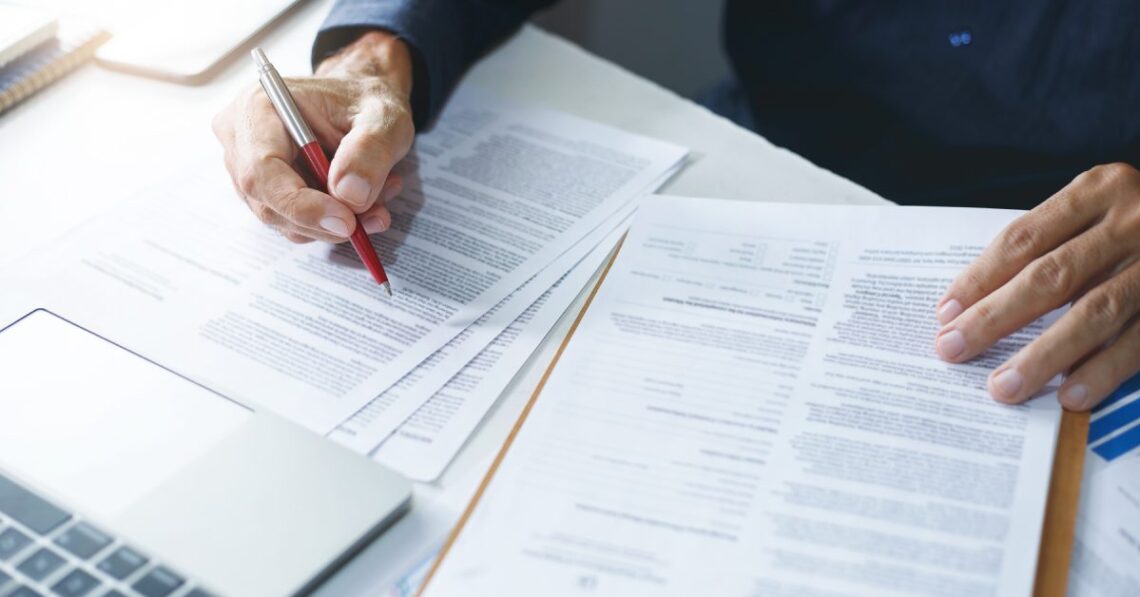
Small Habits That Help Protect Your Personal Information
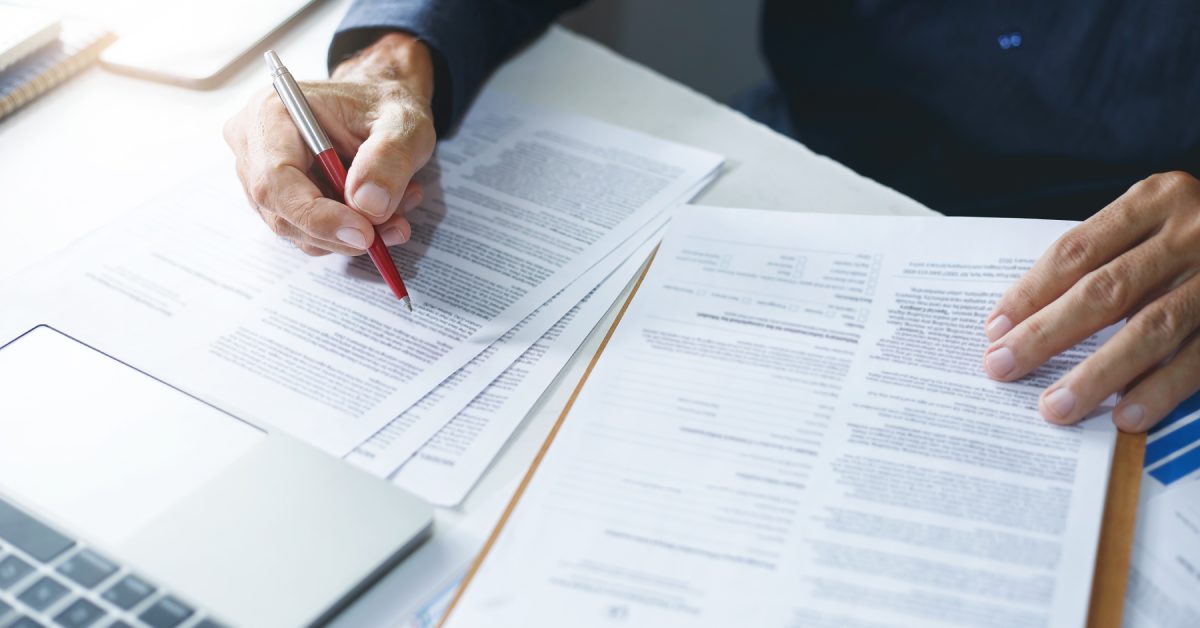
Daily routines already include laundry, dishes, and the occasional hunt for missing socks. Still, a few smart adjustments can quietly improve how a household handles sensitive information. Small habits that help protect your personal information fit into routines you already follow, which makes them easier to stick with.
Once these habits become part of the day, they stop feeling like extra work. Instead, they blend into the normal rhythm of running a home. With that in mind, a few simple shifts can make a noticeable difference.
Manage Mail Before It Piles Up
Stacks of mail attract clutter and risk. Credit card offers, medical statements, and utility bills all carry personal data. Sorting mail right away keeps those details from sitting out in the open.
Set up a small system near the entryway. Open envelopes, separate important documents, and discard junk immediately. Place anything sensitive into a designated folder or drawer.
When paperwork is no longer needed, disposal matters. Many households rely on different types of paper shredders to handle everything from basic junk mail to documents with detailed financial information.
Keep Shared Spaces Clutter-Free
Kitchen counters and coffee tables collect everything from grocery lists to school forms. However, those same surfaces can expose personal details to guests, delivery drivers, or curious kids.
Clear surfaces at the end of the day. Move papers into a secure spot, such as a drawer or organizer. This quick reset keeps private information out of sight while also making the space feel more put-together.
Use a Family Filing System
Loose papers create confusion. A simple filing system gives every document a clear home. Label folders for categories such as medical, school, financial, and home maintenance.
Store the system in one consistent place. Family members can find what they need without digging through random stacks. Over time, this habit builds a sense of order that supports both organization and privacy.
What to Store and Where
- Medical records stay in a labeled folder
- School documents go into a binder or file section
- Financial papers belong in a secure drawer or locked box
- Household warranties and manuals stay grouped together
Be Mindful of Digital Access Points
Devices often sit unlocked on kitchen counters or living room tables. That habit creates easy access for anyone passing by.
Set devices to lock after a short period. Use strong passwords or biometric options. Encourage everyone in the household to log out of shared accounts after use. These quick actions tighten everyday security without adding friction.
Limit What You Keep
Old paperwork tends to stick around longer than it should. Holding onto unnecessary documents increases the chance of exposure.
Review stored papers every few months and remove any outdated ones. Shred sensitive records instead of tossing them in the trash. With consistent effort, small habits that help protect your personal information become second nature rather than a chore.
Simple Routines That Support Privacy at Home
Household organization and personal security go hand in hand. Small, consistent actions reduce risk while keeping spaces tidy and functional. A few thoughtful adjustments can support both comfort and privacy without complicating daily life.


You May Also Like
Upgrades You Should Make to Your Home Office Today

The Survival Skills That Actually Apply to Money
