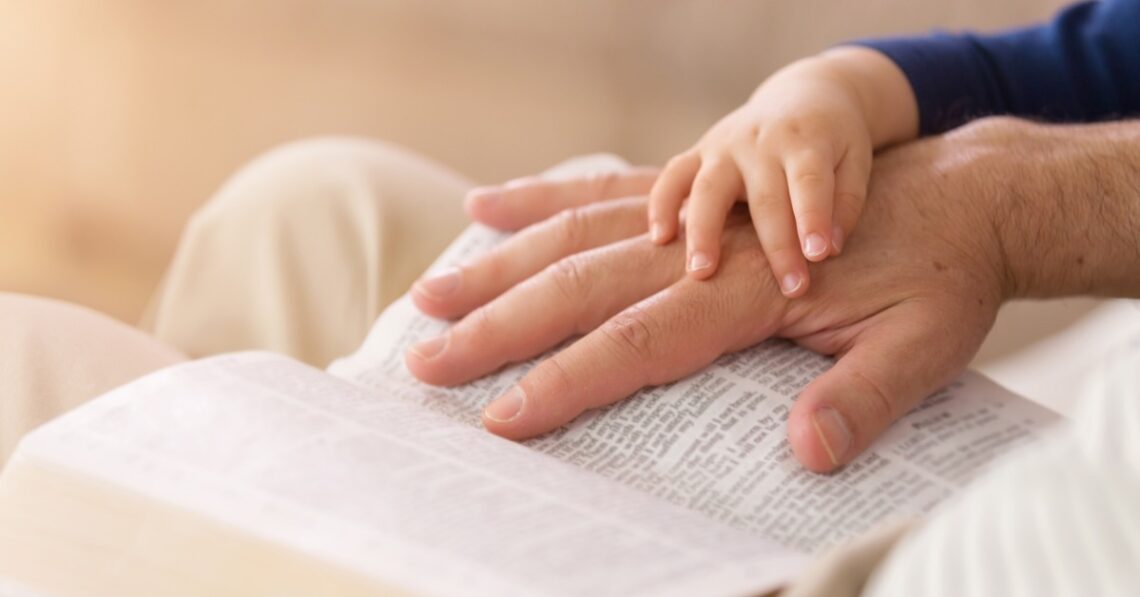
The Best Age for Kids To Learn More About the Bible

Parents often ask the same big question: when should kids start learning about the Bible? Some imagine a perfect age when children suddenly sit still, listen closely, and ask deep theological questions. Reality tends to look a bit messier, with wiggles, snack breaks, and random questions about dinosaurs.
The truth is, kids can begin learning at almost any age, but the approach should match their stage of development. The best age for kids to learn more about the Bible depends on your family and ideas.
Start Early With Simple Stories
Young children absorb stories long before they understand complex ideas. You can introduce Bible stories during toddler years using simple language and colorful visuals. Focus on themes like kindness, sharing, and courage instead of diving into heavy theology. These early experiences build familiarity without overwhelming their attention spans.
Kids at this age love repetition, so you can revisit the same stories often. This helps them connect characters and lessons over time. Short, engaging sessions work better than long lectures that test everyone’s patience. You lay the groundwork without turning story time into a sermon marathon.
Build Understanding During Elementary Years
Elementary-aged kids start asking questions, and plenty of them come out of nowhere. This stage offers a great opportunity to explain the meaning behind Bible stories. You can connect lessons to everyday situations like friendships, school challenges, and family life. This approach makes the content feel relevant instead of distant.
You might also notice curiosity about rules, fairness, and consequences. The Bible provides plenty of material for those topics, so use it wisely. Keep explanations clear and relatable to avoid confusion. Kids at this age want answers, but they also appreciate a little humor along the way.
Guide Teens With Deeper Conversations
Teenagers bring opinions, skepticism, and the occasional eye roll to the table. You can use this stage to explore deeper discussions about faith and personal beliefs. Encourage questions instead of shutting them down, even when they challenge your patience. Honest conversations help teens form their own understanding.
You should also acknowledge that teens face real-world pressures and doubts. The Bible can offer guidance when presented in a relatable way. This stage benefits from discussions rather than lectures. Think less “because I said so” and more “let’s talk about this together.”
Make Learning Practical and Fun
No one wants Bible time to feel like a pop quiz. You can use games, crafts, and discussions to keep things lively. Kids respond better when learning feels interactive instead of forced. A little creativity goes a long way in keeping their attention.
You can also introduce structured programs like 30 days to understanding the Bible when kids show readiness for more consistency. This gives them a sense of progress and achievement. Keep things flexible so that learning stays enjoyable. Fun and faith can absolutely coexist without any issues.
Model What You Teach
Kids notice what you do more than what you say. You can talk about faith all day, but your actions carry more weight. When they see the Bible in the life of a Christian, they understand its real impact. This lived example reinforces lessons far better than any lecture.
You don’t need to be perfect, just consistent and genuine. Share your own experiences and challenges when appropriate. This honesty makes faith feel real and approachable. Kids appreciate authenticity more than polished perfection.
The best age for kids to learn about the Bible depends more on readiness than a specific number. You can start early, build gradually, and adapt your approach as they grow.





One Comment
Terri Quick
Very nice post