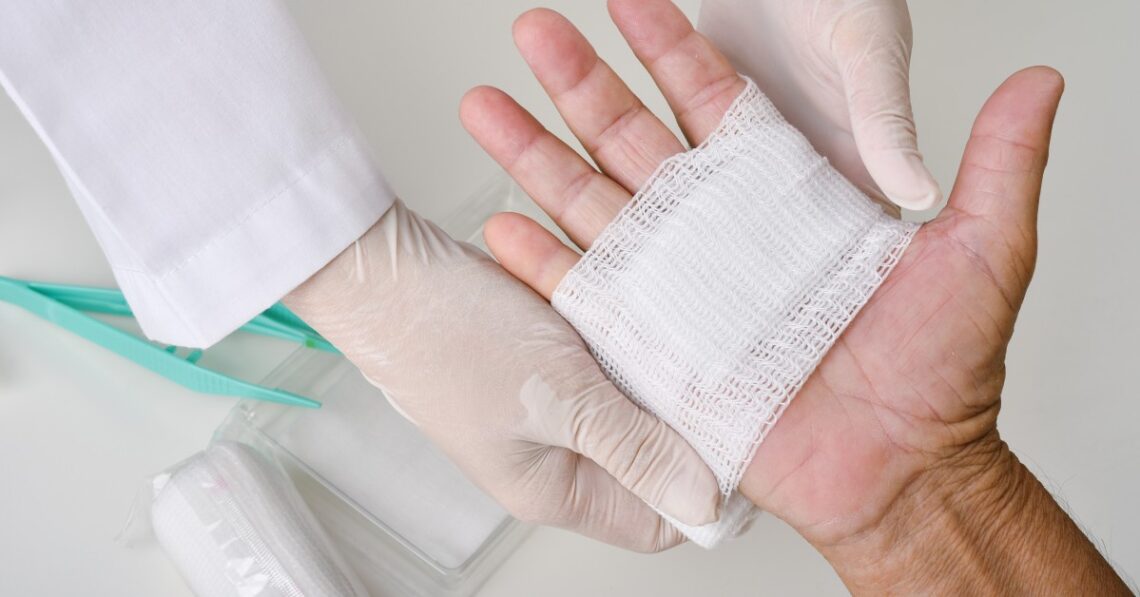
The Do’s and Don’ts of Proper Wound Dressing
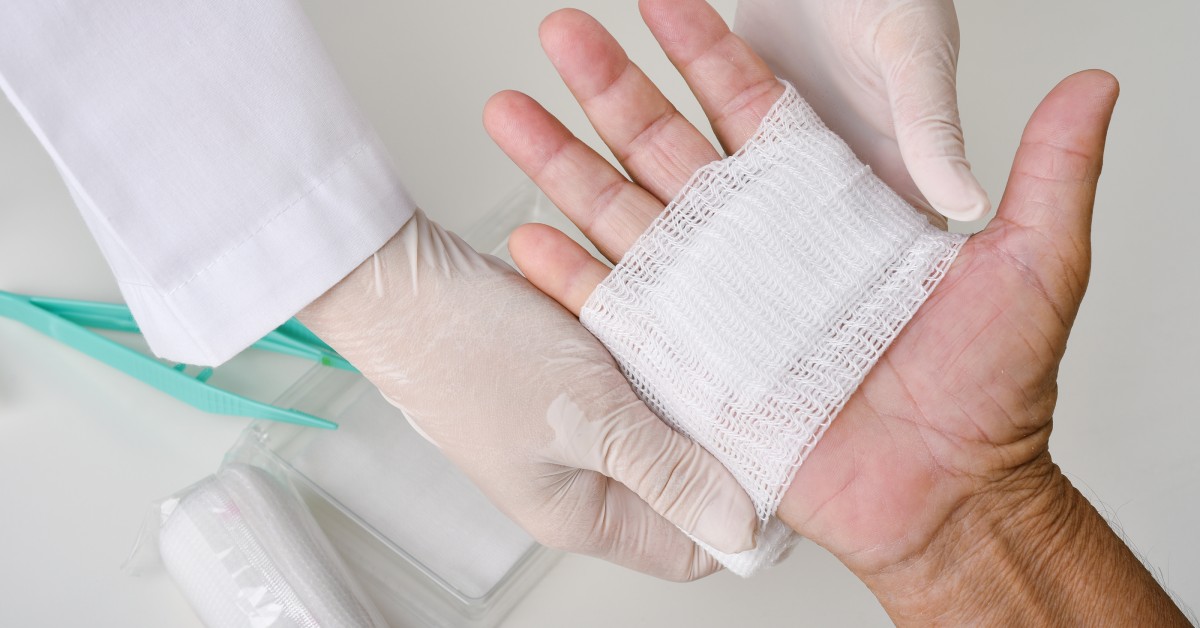
Getting a minor cut or scrape happens to everyone. One minute you’re chopping vegetables for dinner, and the next you have a small nick on your finger. While it might seem like a minor inconvenience, how you treat it matters. Knowing the basic do’s and don’ts of proper wound dressing can make a difference in how your skin heals and help you avoid any pesky complications along the way.
Do: Wash Your Hands and the Wound
Before you do anything else, wash your hands thoroughly with soap and water. To prevent bacteria from entering the open wound.
Next, gently clean the injury itself. Run cool water over the area for a few minutes to flush out any dirt or debris. You can use a mild soap to clean the skin around the wound, but try to keep it out of the cut itself, as it can cause irritation. Pat the area dry with a clean cloth.
Don’t: Use Harsh Antiseptics
It might be tempting to reach for hydrogen peroxide or rubbing alcohol to disinfect the wound, but these can actually harm the healing tissue. These harsh solutions can damage the cells working to repair your skin, slowing the healing process. For most minor cuts and scrapes, clean water and mild soap are all you need to get the job done effectively.
Do: Apply an Antibiotic Ointment and a Bandage
After cleaning and drying the wound, applying a thin layer of an antibiotic ointment can help keep the surface moist and promote healing that reduces scarring. Then, cover the wound with a sterile bandage or gauze. A good dressing protects the area from bacteria, keeps it clean, and prevents you from accidentally reinjuring it.
For some injuries, understanding your options for securing a dressing is helpful, and knowing more about things like 3M micropore surgical tape and when to use it comes in handy. Change the bandage daily, or more often if it becomes wet or dirty.
Don’t: Pick at the Scab or Keep it Too Wet
A scab is your body’s natural bandage, forming a protective layer over the wound while new skin grows underneath. Picking at it can reopen the wound, increasing your chances of scarring and infection.
While keeping a wound moist is good, keeping it too wet can be a problem. If a bandage gets soaked, it creates a favorable environment for germs to grow. Always change a wet dressing as soon as you can.
Do: Know When to See a Doctor
Most minor wounds can be handled at home. However, you should seek medical attention if the cut is deep, won’t stop bleeding after 10-15 minutes of direct pressure, or was caused by a dirty or rusty object. Also, keep an eye out for signs of infection, such as increased redness, swelling, pus, or a fever. A doctor can provide the right care to prevent further issues.
A little care now helps prevent delays in healing later. The do’s and don’ts of proper wound dressing help turn everyday mishaps into easy moments of self-care. Healing starts with small actions and a calm mindset. Trust your instincts and keep moving forward. You’ve got this!



5 Comments
June Jester
very helpful
Michele Guinsburg
very helpful
Tamra Phelps
I feel like I could have written this, lol. I have had to dress a lot of wounds since I got sick. (Mostly pressure sores from a wheelchir before I got that straightened out.)
Connie: The Head Peanut
Ohhh Tamra, you have been through an awful lot.
Terri Quick
Thank you for this