
The Most Effective Types of Lifts Used in Construction
Ever wondered how construction workers move massive concrete blocks without throwing out their backs? Spoiler alert: it’s not through sheer willpower and energy drinks (though those help too).
Construction sites buzzing with activity rely on specialized lifting equipment that would make your gym’s weight room look like child’s play. These mechanical marvels handle everything from delicate materials to concrete behemoths that could crush a compact car.
Excavator Attachments: The Swiss Army Knife of Construction
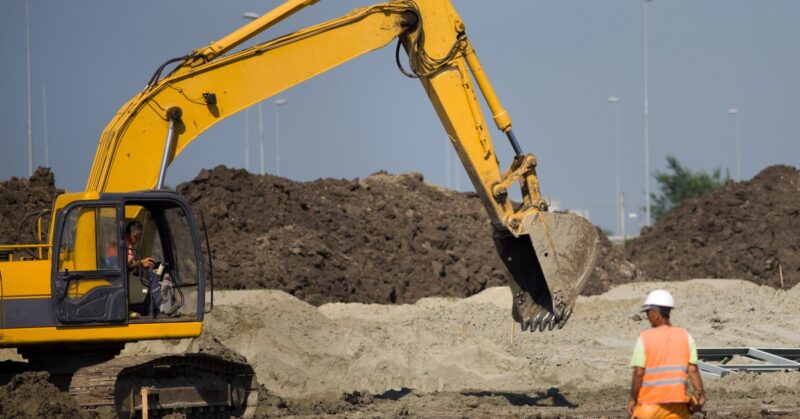
Think excavators are just for digging holes? Think again. Modern excavators transform into lifting powerhouses with the right attachments. These versatile machines handle material transport with surprising finesse.
Standard excavator buckets work great for loose materials like gravel and sand. However, when you need precision lifting, specialized attachments steal the show.
The Bin Block Lifter: For When Regular Lifting Just Won’t Cut It
Meet the bin block lifter—the unsung hero of concrete block handling. These specialized attachments tackle those awkward precast concrete units that laugh in the face of traditional lifting methods.
Bin blocks (also charmingly called “buttersticks” in Texas or “mafia blocks” elsewhere) feature interlocking keyway systems that make them trickier to grip than a greased watermelon. The use of bin block lifters in material handling shows exactly why these specialized tools matter—they prevent expensive drops and keep workers’ chiropractors from getting rich.
The automatic gripping mechanism works like magic. As operators raise the block, the lifter’s legs automatically tighten their grip. No manual adjustments needed, which means fewer opportunities for expensive concrete pancakes.
Mobile Cranes: The Gentle Giants
When you need to lift something heavy and high, mobile cranes answer the call. These towering titans handle steel beams, concrete slabs, and pretty much anything that would make a forklift cry.
Tower cranes dominate skylines during skyscraper construction, while smaller mobile cranes provide flexibility for projects that don’t require reaching the clouds. Modern safety features and improved control systems mean operators can handle massive loads with surgical precision.
Front Loaders and Skid Steers: The Workhorses
Front loaders move loose materials faster than gossip spreads at a construction site coffee break. Their broad buckets scoop and transport gravel, sand, and dirt with impressive efficiency.
Skid steers, meanwhile, navigate tight spaces where larger equipment would get stuck faster than a tourist reading a subway map. Various attachments expand their capabilities—forks for pallets, grapples for debris, and specialized tools for unique tasks.
Why the Right Equipment Matters
Using improper lifting equipment on a construction project creates safety hazards that would make insurance companies break out in cold sweats. Workers resort to dangerous manual methods when proper tools aren’t available, leading to injuries and damaged materials.
Understanding all the construction site essentials prevents costly delays and maintains project momentum. Without proper lifting solutions, even minor material handling tasks become major headaches.
Quality equipment also means fewer breakdowns and maintenance issues. Professional-grade lifters built to industry standards (ASME B30.20 and BTH-1) provide reliability that keeps projects moving smoothly.




4 Comments
heather
Thank goodness for this equipment. We had some work done on our property and they used an excavator let me tell you that piece of equipment is amazing.
Nancy Nickerson
Wow, who knew?! Very interesting actually.
Rose
This is very interesting. I see sometimes they use lifts at the complex, and I like to watch.
Terri Quick
Thank you for sharing