The Role of Sandblasting in Metal Restoration

You have likely seen an old, rusted piece of machinery and thought it belonged in the scrap heap. Industrial restorers see potential. They know that beneath layers of grime, paint, and corrosion lies a functional piece of equipment waiting for a second chance. This is where sandblasting takes center stage. It’s like an exfoliating scrub for heavy machinery that strips away years of neglect to reveal pristine metal. Let’s talk about the role of sandblasting in metal restoration.
The Mechanics of the Blast
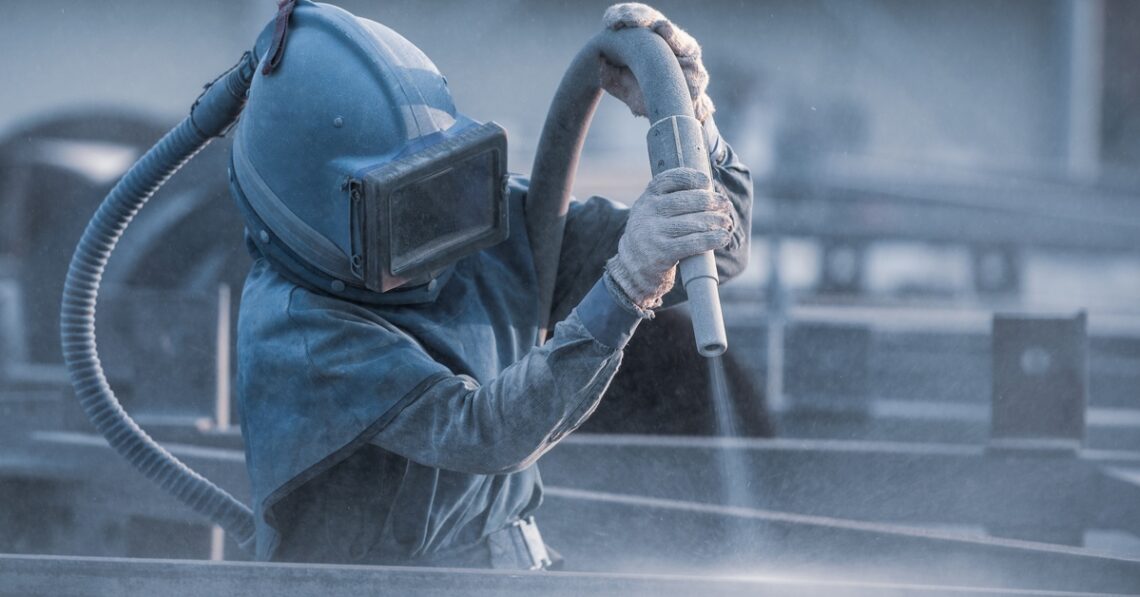
The sandblasting process uses compressed air to propel abrasive media at high speeds against a surface to remove contaminants. Operators must choose the right pressure and angle to clean the metal without compromising its structural integrity. It transforms a pitted, sad-looking surface into a smooth canvas ready for a fresh coating.
Selecting the Right Grit
Not all metals enjoy the same treatment. You wouldn’t use a sledgehammer to crack a walnut, and you shouldn’t use steel grit on soft metals. Professionals know the key differences between steel and aluminum sandblasting to avoid warping or pitting delicate surfaces. While steel can handle aggressive abrasives to knock off heavy rust, aluminum requires a gentler touch, often utilizing glass beads or walnut shells to achieve a satin finish without damage.
Keeping the Workplace Safe
Industrial restoration is not a job for the faint of heart. The combination of high pressure, abrasive dust, and heavy metal creates a hazardous environment. Smart facility managers know that safety is the number one priorityin metal fabrication to protect workers from hazardous dust inhalation and machinery accidents. Proper ventilation, blast cabinets, and heavy-duty PPE are requirements when the air compressor kicks on.
Why Restoration Makes Sense
Why spend the time blasting old metal? Aside from the sheer satisfaction of watching rust disappear, restoration offers several benefits:
- Cost efficiency: Refurbishing existing equipment often costs less than buying new machinery.
- Surface preparation: Blasting creates an anchor profile that allows new paint and powder coats to stick like glue.
- Defect detection: Stripping the metal bare reveals hidden cracks or stress points that need repair.
Sandblasting plays an important role in metal restoration by extending the lifespan of valuable assets. Instead of letting good equipment rust in peace, sandblasting gives it a new lease on life.




One Comment
heather
I don’t know very much about sandblasting. I never knew that they wore a suit like the one in the picture that’s pretty heavy duty.