Tips for Cleaning Out Your Home’s Septic Tank

Homeownership brings many surprises. Sometimes you find beautiful hardwood floors hiding under old carpet. Other times, you find a sewage backup bubbling onto your front lawn. Your septic tank works hard to manage waste, but it demands attention and cleaning out. Ignoring it invites a disaster that no amount of scented candles can cover up. Let’s roll up our sleeves—way, way up—and handle business.
Safety First (Seriously, Don’t Skip This)
Before you even look at the lid, you must understand the risks. Septic tanks produce methane and other gases that can knock you out or worse. Never stick your head inside the tank. Never lean over the opening without a partner nearby. If you feel dizzy, walk away immediately.
You also need the right wardrobe for the occasion. This isn’t a fashion show. Wear heavy rubber gloves, eye protection, and clothes you don’t mind burning later. You want a barrier between you and the biological hazard zone.
The Pumping Process
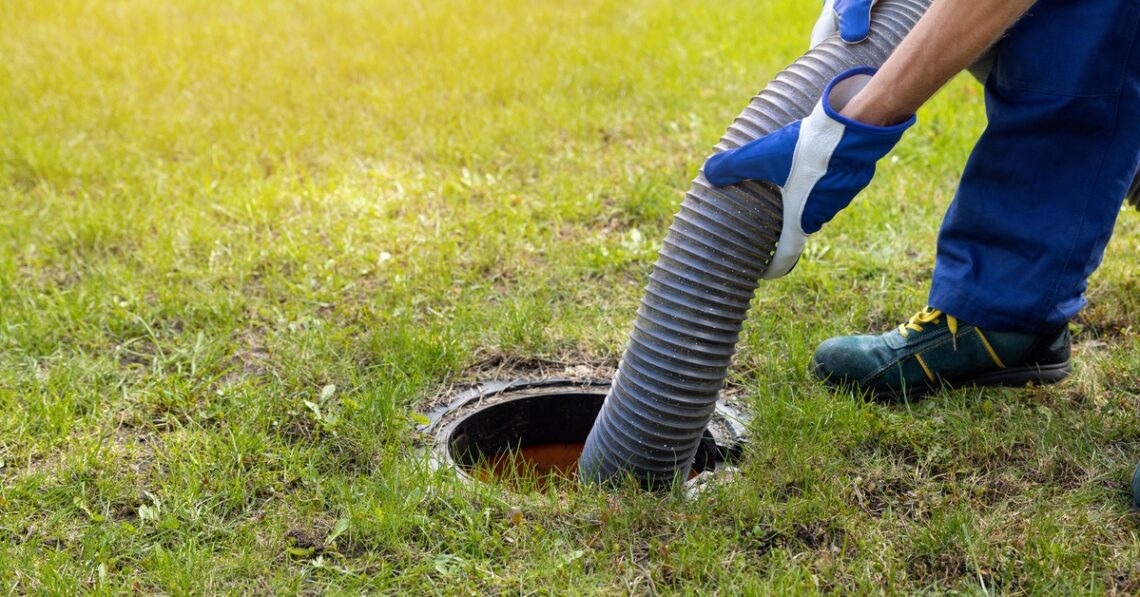
Most homeowners hire a professional pumper because specialized trucks make the job easier. However, if you have the equipment and the stomach for DIY, you must manage your gear carefully. When setting up the suction line, pay close attention to the hose bend radius. A kink in the line restricts flow and puts unnecessary stress on the pump, turning a messy job into a broken, expensive one. Keep the lines straight and the curves gentle to make sure the sludge moves freely from the tank to the containment vessel.
Inspecting the Baffles and Filters
Once you lower the waste level, inspect the inlet and outlet baffles. These components prevent scum from clogging your drain field. If they look damaged or missing, replace them immediately. A missing tee can ruin your entire leach field, costing you thousands.
You also need to clean the effluent filter if your system has one. Pull it out and spray it off with a garden hose. Make sure you spray the waste back into the tank, not onto your shoes.
Maintenance Between Cleanings
You can prevent emergency pump-outs by watching what goes down the drain. Your septic system relies on bacteria to break down solids. Harsh chemicals like bleach or paint thinner kill these helpful microbes. Without them, the tank fills up faster than you can say “plumber.”
To extend the life of your system, follow these rules:
- Use septic-safe toilet paper.
- Avoid pouring grease down the kitchen sink.
- Fix leaky faucets immediately to prevent hydraulic overload.
- Spread out laundry loads over the week.
Protect Your Investment
Regular maintenance prevents the nightmare scenario of sewage backing up into your bathtub. A functional system allows water to flow freely and stops bad odors from invading your property. Proper care helps keep your house looking its best and ensures your yard remains a place for barbecues, not biohazards.
Know When to Call a Pro
If you open the lid and the situation looks overwhelming, call a professional. There is no shame in paying someone else to deal with your waste. In fact, it might be the smartest money you ever spend. A professional inspection ensures everything meets code and functions correctly.
Cleaning a septic tank won’t make your top ten list of fun weekend activities. But doing it right keeps your plumbing running and your yard safe. Now, go scrub your hands. Twice.




2 Comments
heather
This is one thing that I would never ever DIY! We hire a company and it costs a fortune $$$$$! The one line in the post above that cracked me up was ‘Never stick your head inside the tank’ – oh okay! lol
Connie: The Head Peanut
We just did that and it was SO expensive. AND ugh NO I am NOT sticking my head inside the tank. LOL Do you drop those tablets down your tank once a month? Green Gobbler is one. Flus 2 tablets down the toilet and it eats a lot of the crap. (I MADE A FUNNY!) It has saved us from having to have the tank out to empty the septic very often.