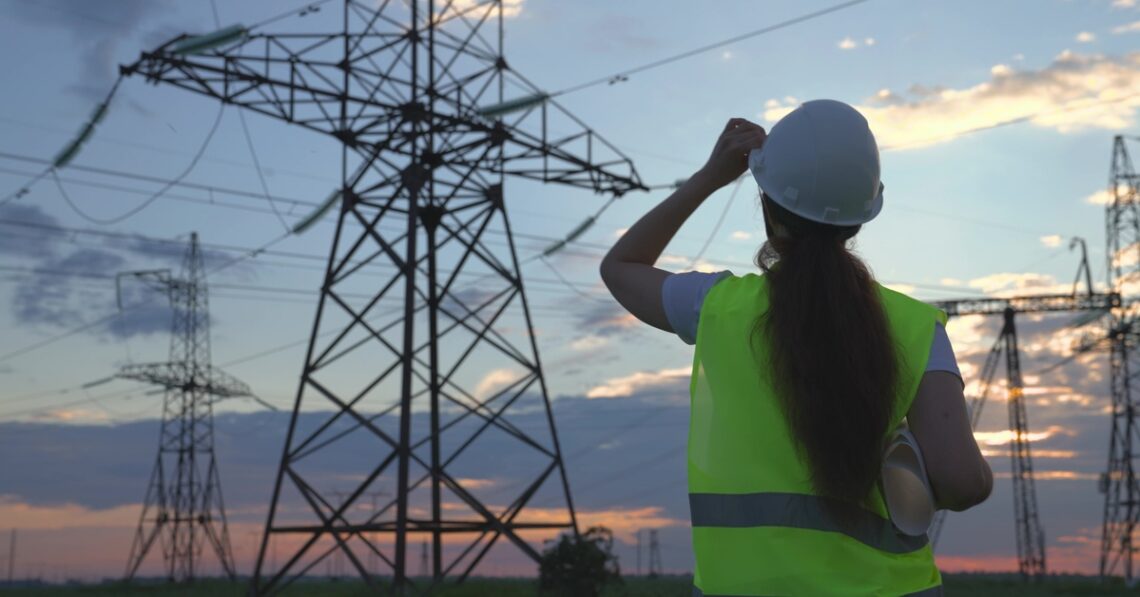
What Impacts the Cost of Infrastructure Projects
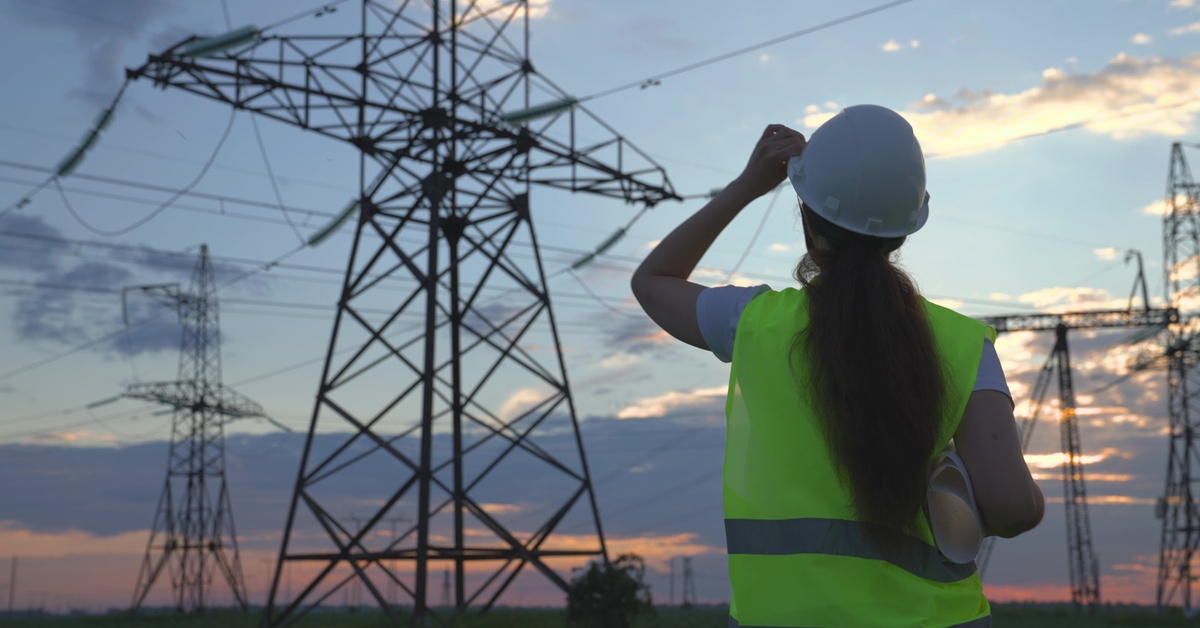
Infrastructure projects rarely come with a simple price tag, but anyone who expects one probably also believes road construction finishes early. One decision can ripple through the entire project, turning a reasonable estimate into something that makes finance teams sweat. Understanding the impacts of costs on infrastructure projects helps you plan smarter, spend wiser, and avoid those “how did we get here?” moments.
Project Scope Sets the Tone
Every infrastructure project starts with a scope, and scope behaves like a teenager with a credit card. The bigger the vision, the faster costs climb, especially when teams pursue ambitious designs or expand into new service areas.
Planners and stakeholders often add “just one more thing,” which quietly multiplies costs. A clear scope definition keeps budgets grounded and prevents the project from turning into a financial soap opera.
Materials Make or Break the Budget
Material selection accounts for a large share of the total cost, and not all steel, concrete, or composites behave the same way. High-quality inputs cost more upfront, but they often reduce maintenance and replacement headaches later.
That’s why durable utility materials maximize ROI, even if they make accountants raise an eyebrow at first glance. Choose wisely, or break the budget.
Labor Costs Add Up Quickly
Skilled labor doesn’t come cheap. Even if it did, most businesses wouldn’t want unskilled workers to help on their project. Experienced crews work faster and with fewer mistakes, which saves money over time.
However, labor rates vary by location and project complexity, which needs to be factored into the total project budget. A remote site with tough terrain will demand higher pay and patience, which stretches timelines and wallets alike.
Permits and Regulations Join the Party
Regulatory compliance adds time and fees to any project. State and federal agencies all want their say, and each approval step affects scheduling and cost. Delays often occur when documentation misses details or when requirements change mid-project. Staying proactive with permits keeps projects moving and avoids the dreaded “waiting game.”
Key Cost Drivers at a Glance
When people ask what really impacts infrastructure costs, several factors consistently rise to the top. These elements influence nearly every project, regardless of size or industry. Keep an eye on them, and you’ll avoid most financial surprises. Ignore them, and well… good luck explaining that budget overrun.
- Project scope and design complexity
- Material quality and availability
- Labor rates and workforce expertise
- Geographic and environmental conditions
- Regulatory requirements and permits
Maintenance and Lifecycle Considerations
Initial construction costs tell only half the story, so smart planners have to think long term during the planning stage. Maintenance and eventual replacement shape the true cost of infrastructure. For example, many installation services must consider the cost of replacing a utility pole, which depends on materials and site conditions. Investing in better materials and design today significantly reduces future expenses.
Planning for Infrastructure Costs
The impacts of Infrastructure costs depend on a mix of planning and unpredictable curveballs. Smart decisions early in the process prevent expensive headaches later. Teams that prioritize efficiency and foresight usually win the budget battle. And if nothing else, remember this: concrete may set, but costs never do.



One Comment
heather
There is so much to consider when building a large infrastructure project. Materials and labor are a big one. Interesting post thanks for sharing.