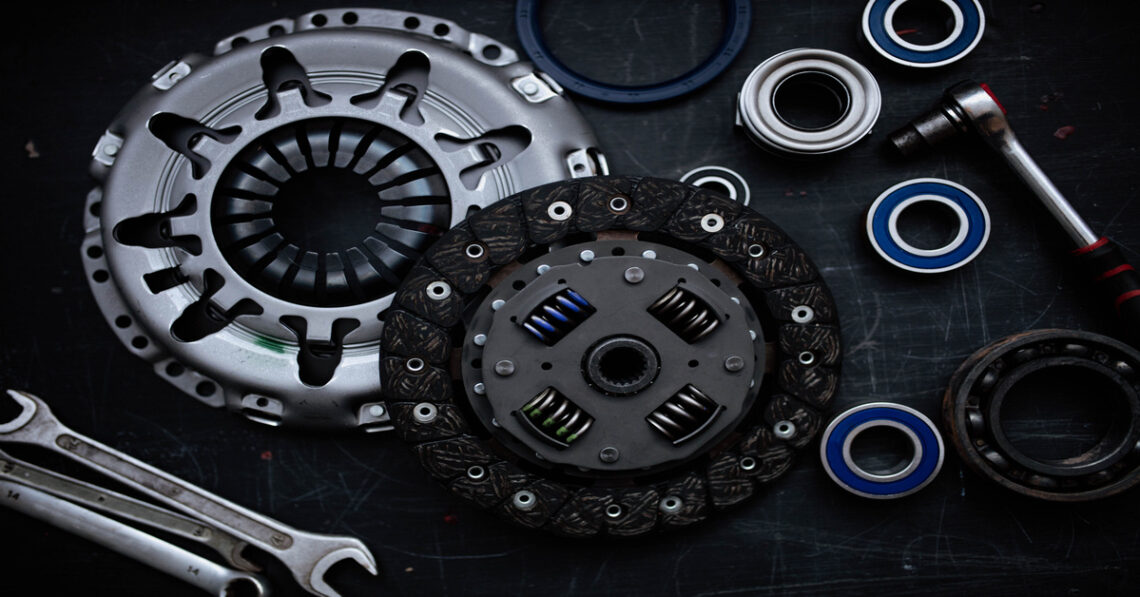
4 Ways To Extend the Lifespan of Your Car’s Clutch

Every manual driver knows the pivotal role the clutch plays in the driving experience. It acts as the bridge between your engine and the wheels, facilitating smooth gear changes and efficient power transfer.
However, this critical component is not invincible and can fail after years of wear and tear. But there are many things you can do to help your vehicle’s clutch last longer. Below, we explain some of the simple ways to extend the lifespan of your car’s clutch.
1. Practice Smooth Starts and Stops
One of the most effective ways to preserve your clutch is to use the pedals carefully during takeoffs and stops. Instead of revving the engine high, aim for the lowest possible RPMs when releasing the clutch pedal. This minimizes heat and friction, reducing unnecessary wear. When slowing down, lift off the accelerator well in advance of a stop to allow the engine’s natural deceleration to slow the vehicle, reducing the need for abrupt downshifts that can stress the clutch components.
2. Selective Upgrades
For enthusiasts or those driving performance vehicles, standard components may not always suffice. One selective aftermarket upgrade to consider for your car is a flywheel surface lock. A flywheel surface lock helps by creating a more secure and precise connection between the clutch assembly and flywheels. By providing a more secure engagement, a surface lock reduces the likelihood of slippage under heavy loads or high-torque conditions. While this is a more advanced step, it offers a robust solution to prevent premature wear under demanding driving conditions.
3. Use the Correct Gear
Another way to extend the lifespan of your car’s clutch is to always keep it in the ideal gear. Lugging the engine by driving in a high gear at low speeds places immense strain on the clutch system, as the clutch absorbs vibration and stress the engine cannot handle when accelerating from low speeds.
To avoid this, always match your gear selection to your road speed and engine load, and downshift before losing momentum to keep the engine in its optimal power band. Conversely, forcing the car into a lower gear at high speeds can cause the engine to overrev and shock the clutch, so you should match your revs or wait until the vehicle speed drops sufficiently before selecting a lower gear.
4. Regular Maintenance Checks
Mechanical sympathy goes beyond driving habits and includes regular maintenance of the clutch actuation system. In hydraulic systems, which are most modern manual transmissions, drivers should inspect the master and slave cylinders for leaks and fill the hydraulic fluid reservoir with the manufacturer-recommended fluid when necessary. Transmission troubles that can prevent shifting include low fluid levels, which can introduce air into the system, resulting in a spongy pedal feel and incomplete disengagement. Regular checks help maintain proper pressure to fully separate the clutch plates, preventing drag and excessive wear during gear changes.
Conclusion
Your car’s clutch is a durable component, but it requires respect and care to last. By practicing smooth driving techniques, selecting the right gears, considering upgrades, and performing regular maintenance, you help your clutch work better for longer. Implement these habits today to save money on repairs and enjoy a smoother drive.




4 Comments
heather
I have had several stick shift vehicles and these tips are helpful to keep in mind. I didn’t really know that stick shifts are now so uncommon.
Connie: The Head Peanut
RIGHT!? Maybe ten years ago The Husband had to special order his stick shift. They had nothing on the lot except automatics.
Rose
I learned to drive on a manual. Now they are hard to find. These are good tips, because now that manuals are scarce, so are articles about proper handling!!!
Connie: The Head Peanut
So did I! The Husbands truck is manual. Since not many people can drive a stick it’s a great theft deterrent.