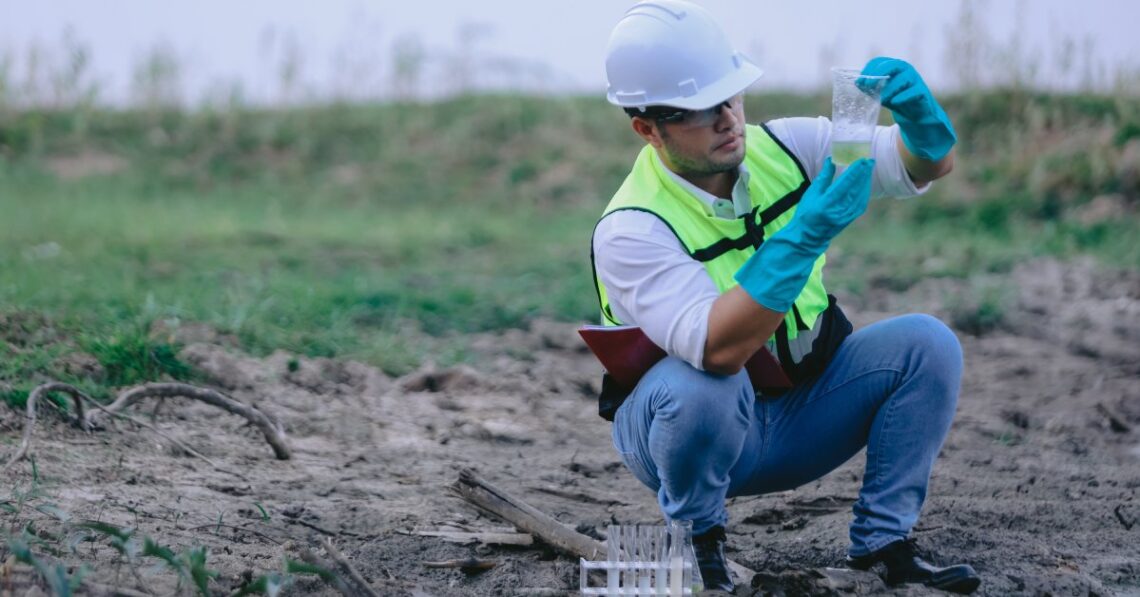
5 Field Safety Tips for Environmental Professionals

Let’s be honest: if you’ve been in the field long enough to read groundwater levels in your dreams, you’ve probably skimmed your fair share of environmental safety tips. But hear us out; this isn’t another “don’t forget your hard hat” reminder.
Here’s our real-world, slightly sarcastic rundown of five field safety tips for environmental professionals who know just how weird, wild, and unpredictable site work can get.
1. Respect the Site, Even If It’s Atrocious
That overgrown lot behind the old meat-packing plant? Yeah, it might look harmless, but so do jellyfish until they unexpectedly sting your foot. Never assume that a site is “quiet” just because it’s overgrown, abandoned, or smells vaguely like despair.
Hidden hazards are everywhere: unstable soil, buried metal, rogue rebar, raccoons with a grudge—you name it. Treat every site like it’s holding a grudge, and you’ll live to sample another day.
2. Mind the Sampling Tools
You can’t get clean data with dirty gear. It’s not just about avoiding cross-contamination; it’s about maintaining your reputation as the person who didn’t ruin the lab results with an oily bailer.
In fact, the best tools for accurate groundwater sampling aren’t just reliable; they’re obsessively maintained, labeled, and free from last week’s coffee stains. Bonus points if you can use them without muttering profanities under your breath.
3. Don’t Trust the Weather (Ever)
It’s tempting to think 72 degrees and sunny is a green light. Weather reports are lying optimists, and the environment loves proving meteorologists wrong. One minute you’re measuring turbidity in calm conditions; the next, you’re battling sideways rain with a clipboard for an umbrella.
Especially in places like Sandpoint, Idaho—where a June morning can start in spring and end in February—bring layers, backups, and a team member for support.
4. Double-Check Your Exit Plan
Look, we’ve all done the casual walk into a site thinking we’ll “check things out real quick.” Then the gate locks behind you, the GPS loses signal, and suddenly you’re MacGyvering a ladder from PVC and regret.
The EPA improves life for everyday citizens through cleanup access rules, site protocols, and signage. Respect the exit routes because they’re not optional.
5. Fatigue Makes Smart People Lose Their Logic
Here’s the final field safety tip for environmental professionals: tired brains make bad decisions. You know what’s unwise? Logging 12 hours on-site and thinking you can still hop a fence or ID a suspicious canister without error.
Hydrate. Take breaks. Sleep like you mean it. Otherwise, you’ll be the proud owner of a field story that starts with “I thought it was a good idea at the time.”





2 Comments
heather
This is a really good checklist to keep in mind if you are working out in the field. The weather can sometimes change so fast.
Terri Quick
Great information