Planning a Military Funeral: What To Know

Military funerals provide a meaningful way to honor those who served our country. If someone in your family or a friend recently passed and wishes for a military funeral, it can feel like a heavy responsibility. We’ll explain what to know when planning a military funeral.
Understanding Military Funeral Honor Eligibility
It’s important to know who qualifies for a military funeral provided by the Department of Defense. The department will cover all expenses related to delivering military honors to the following deceased eligible members:
- Veterans
- Active-duty service members (honorable or general discharge)
- Selected Reserve members who completed an enlistment or were discharged due to a service-related disability
- National Guard members serving under federal orders
Those who are eligible to receive veteran burial benefits can receive allowances to cover the funeral costs and rights to a plot at a national or state veteran cemetery.
Core Components of Military Funeral Ceremonies
When planning a military funeral, you should know that it’s generally like a standard service, though there are some unique components. There may be changes to the main funeral service, but there are still readings, prayers if desired, and the delivery of a eulogy for the deceased.
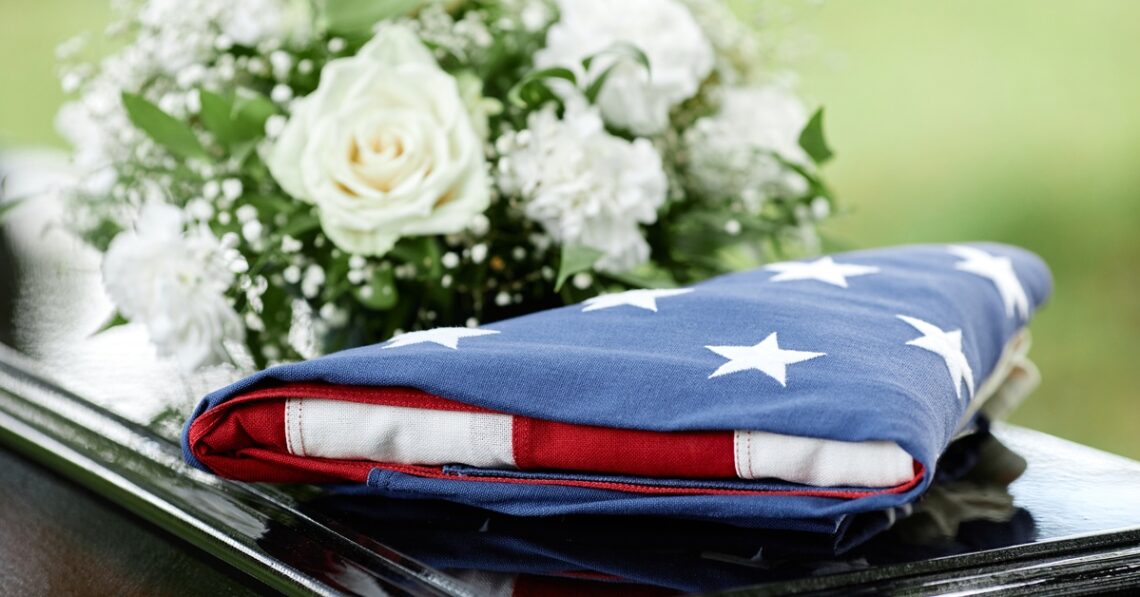
The military honors occur during the committal service at the gravesite, after the main funeral service. Before the lowering of the casket to its final resting place, service members will precisely fold a ceremonial US flag and present it to the deceased’s next of kin. Next, seven service members will fire three rifle volleys as a final farewell. The service concludes with the playing of Taps.
Initiating Military Honor Requests
Families of the deceased must request military funeral honors in advance, typically through their funeral director or by contacting the appropriate armed forces branch directly. The request should include the veteran’s discharge papers and basic service information. Most branches require at least 48 hours notice, though providing more time ensures better coordination.
The Department of Defense maintains contacts for each military branch, and many funeral homes have existing relationships with local honor guard units. Families and funeral directors should confirm all arrangements and timing for seamless coordination between civilian and military elements of the service.
Benefits for the Families of Deceased Veterans
Even after the funeral, there are benefits available to the families of the deceased veterans through the Department of Veterans Affairs (VA). The VA offers support to veteran families, such as Dependency and Indemnity Compensation and Survivors Pension. Families may also be eligible for compensation if the veteran passed due to health problems from their time in the military, such as military base exposure to AFFF.
Honoring Service Through Thoughtful Planning
Military funerals honor a life of service while offering comfort to grieving families by blending military traditions with personal memories. Proper planning, clear communication, and early preparation ensure these ceremonies create meaningful tributes. As a final salute from a grateful nation, military funeral honors provide dignity and recognition, connecting personal loss with national gratitude.





3 Comments
Terri Quick
I’ve never been to a military funeral
heather
I have planned one of these and it was a proud beautiful send off. This post has some great information to consider thanks for sharing.
Rose
This is good info!