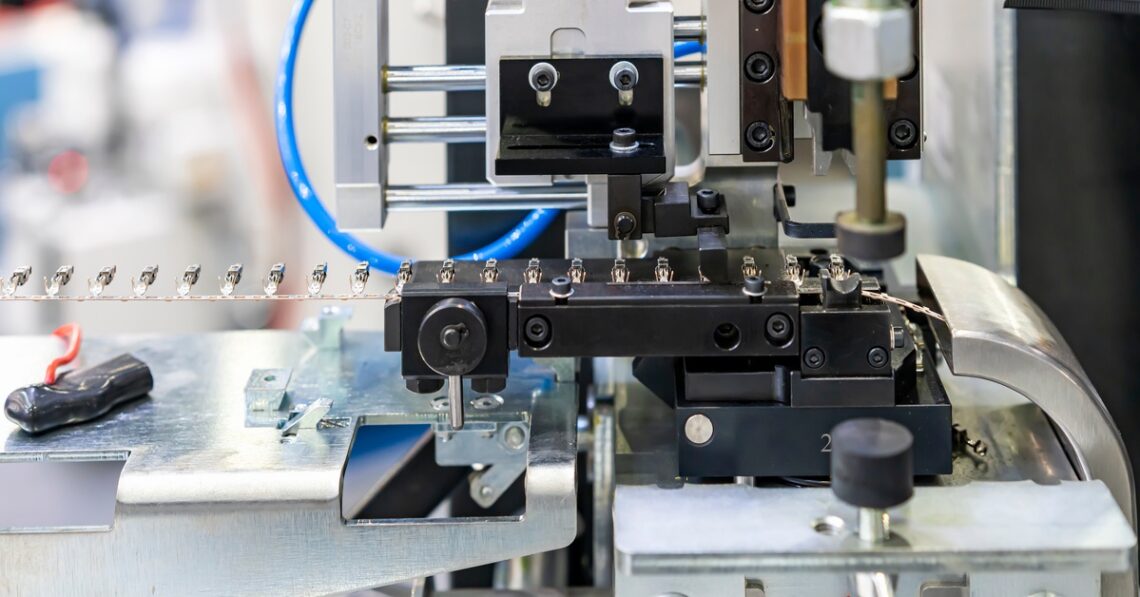
A Maintenance Guide for Your Automatic Crimping Machine
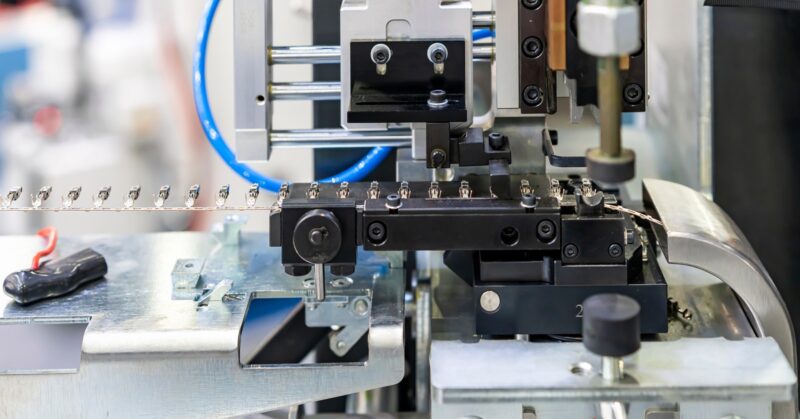
If your production line has ever stopped dead because a connector decided to “express itself,” you already know the truth: maintenance isn’t optional, it’s the price of peace. Automatic crimping machine maintenance keeps quality steady, scrap low, and your team’s blood pressure within human range.
The good news is that you don’t need a mystical toolbox or a full moon. You need habits. Below, we outline a useful maintenance guide for your automatic crimping machine.
Why Maintenance Matters
Industrial workplaces run on a fragile alliance between people, processes, and machines that would absolutely love to fail at the worst possible moment. Maintenance is the unglamorous glue that keeps that alliance intact. Regular maintenance keeps production predictable, drops safety risks, and stops downtime from eating your schedule like it’s an all-you-can-ruin buffet.
The top areas for safety in the industrial workplace include electricity, so electrical systems and machines like automatic crimpers are priorities for maintenance. A facility that treats upkeep as a priority tends to catch hazards early—worn guards, frayed cables, sticky controls, and the kind of “temporary” workarounds that become permanent until someone gets hurt.
Start With Cleanliness and Inspection
Automatic crimping machines don’t fail dramatically; they fail gradually. Dust, insulation fragments, and metal shavings collect where they shouldn’t, then friction and misfeeds do the rest.
Keep the work area clean and treat the machine like it’s allergic to debris, because it kind of is. Wipe down surfaces that attract residue, and check guides, feed paths, and sensors for buildup. While you’re there, look for loose fasteners, unusual vibration, or “new” sounds. A machine that suddenly squeaks is not finding its voice; it’s asking for attention.
Lubricate Like You Mean It
Lubrication prevents wear, reduces heat, and helps parts move the way engineers intended instead of the way entropy prefers. Use the lubricant the manufacturer recommends, apply it where it belongs, and keep it off places where it doesn’t—like belts, sensors, and anything that should grip.
Pay attention to moving joints, rails, and any component that cycles constantly. Under-lubrication invites wear, while over-lubrication invites gunk. Either way, your crimps will suffer.
Watch for Wear Before It Turns into Scrap
Inspect dies and anvils for rounding, chipping, or uneven wear. If the crimp height drifts, the conductor strands deform oddly, or pull tests start failing, assume the tooling needs attention before blaming “bad wire.” Replace worn parts on schedule, and document what you swap and when.
Calibration: The Boring Hero of Consistency
Even a well-kept machine can wander out of spec over time. That’s why calibration matters—especially when you need repeatable crimps across shifts, operators, and batches. Calibrating automatic crimping machines for consistency requires preparation, specific tools, and a thorough process.
Safety Isn’t a Sideshow
We hope our maintenance guide for your automatic crimping machines keeps your crimper working consistently for longer. Remember that maintenance is easier when nobody gets hurt. Before you clean, adjust, or inspect, follow lockout/tagout practices and keep all hands clear of pinch points.




One Comment
Terri Quick
Thank you for sharing