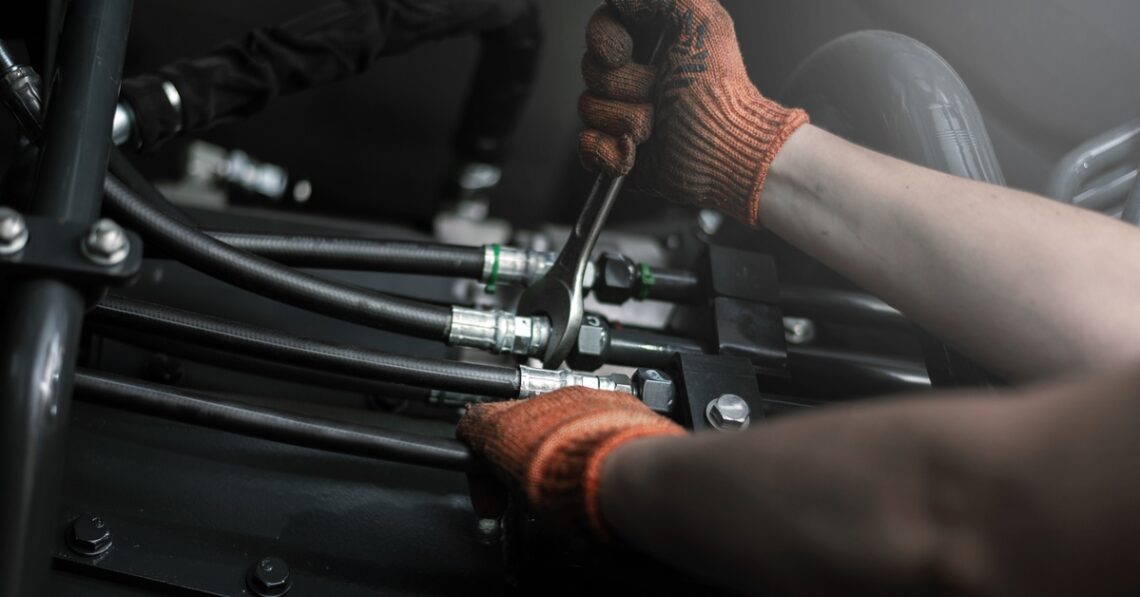
Thread Galling: What It Is and How To Mitigate It
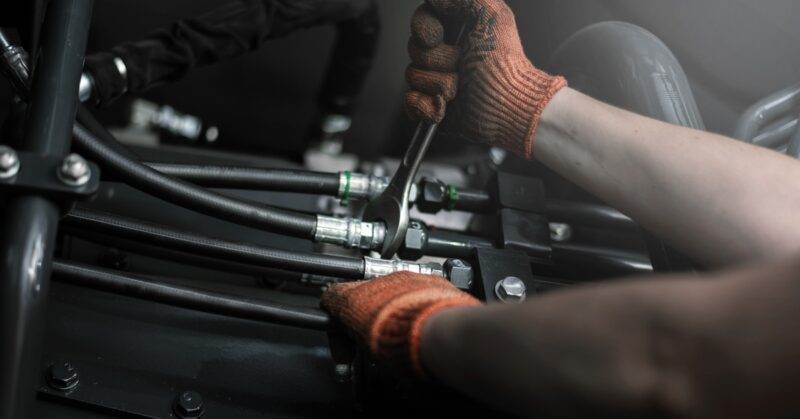
If you’ve ever tightened a fastener and felt it suddenly grab, squeal, or lock up, you may have encountered thread galling. Here, we explore what it is and how to mitigate it.
What Is Thread Galling?
Galling is a form of adhesive wear. It happens when two metal surfaces slide under pressure, tiny high spots shear off, and those freshly exposed metal bits can weld to each other (microscopically). Once that happens, the threads stop behaving like smooth little ramps, hampering fastener function and safety.
Why Thread Galling Happens
Threaded connections are a perfect setup for friction: lots of surface contact, pressure concentrated at thread peaks, and repeated sliding as the parts tighten. Galling becomes more likely when these factors apply:
- Similar metals are paired (especially certain stainless steels and aluminum alloys).
- High friction builds from dry threads, high tightening speed, or rough surface finish.
- Heat increases during installation, accelerating adhesion.
- High clamping loads push surfaces together hard enough to “stick” instead of slide.
Common Ways to Reduce Risk
Now that you know what thread galling is, how can you mitigate it? It mostly comes down to lowering friction and avoiding material pairings that like to fuse.
1) Use Lubrication or Anti-Seize Where Appropriate
Lubricants and anti-seize compounds create a film that reduces metal-to-metal contact. Not only does lubrication resolve many unusual sounds in machinery, but it also dramatically cuts the chance of seizing. Just note that lubrication changes friction, which can also change the clamp load you get at a given torque.
2) Slow Down Installation
High-speed tightening can generate more heat and friction. In many shops, simply reducing install speed is all it takes to prevent seizing.
3) Pay Attention to Material Pairing
Dissimilar materials can be less prone to adhesion than “twins.” For instance, brass hydraulic fittings can be superior to steel because they’re less likely to gall in high-pressure hydraulic systems with steel piping.
4) Improve Surface Conditions
Smoother finishes, clean threads, and consistent manufacturing reduce the spots that kick off welding and tearing.
The Takeaway
Thread galling is physics doing physics. To reduce the chance of it happening in your operations, reduce friction, limit heat, choose materials wisely, and keep surfaces clean. Do these things, and your threads are far more likely to come apart later without turning into a one-piece sculpture.





4 Comments
Terri Quick
Interesting topic
Connie: The Head Peanut
Thank you Terri.
Tamra Phelps
I had never heard the term before. Interesting to find out what it is!
Connie: The Head Peanut
Me either! It was a new one to me as well.