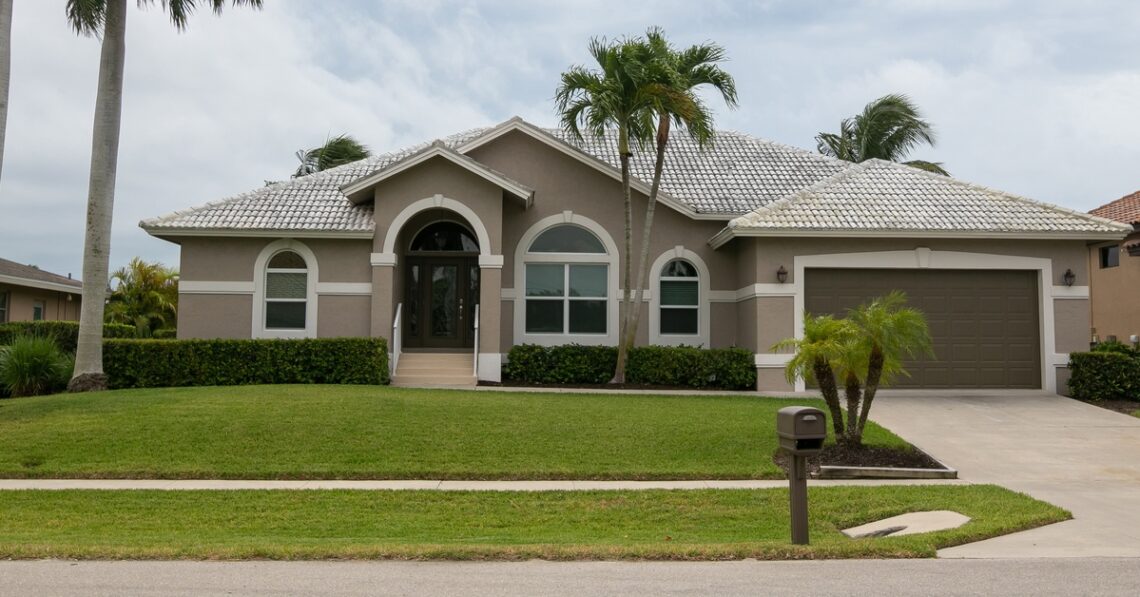
Ways To Reduce Your Home Insurance Costs in Florida
Home insurance in Florida can feel like a moving target. One renewal comes in reasonable, and the next one spikes for reasons that never seem personal. You can’t control storms or statewide pricing pressure, but you can control how your home looks on paper to an insurer. A few targeted upgrades, smarter documentation, and better shopping habits can trim costs without cutting corners on coverage. Discover ways you can reduce your home insurance costs in Florida.
Get Credit for the Upgrades You Already Have
Many homeowners pay for improvements yet never claim the discounts. Start by gathering receipts, permits, and photos for roof work, window upgrades, plumbing updates, and electrical changes. Then call your agent and ask what credits apply to your policy. If you installed storm-rated openings, bring that proof forward. Security shutters provide hurricane protection, which can bring down your insurance costs, but insurers often want documentation that shows product ratings and installation details.
Book a Wind Mitigation Inspection
A wind mitigation inspection can pay for itself quickly when it identifies features that reduce wind damage risk. Inspectors look for roof-to-wall connections, roof deck attachment, secondary water resistance, opening protection, and the roof shape. After you get the report, send it to your carrier and confirm the credits appear on the declarations page. If your home has strong features but the report misses them, ask the inspector about corrections while the details still feel fresh.
Don’t Let the Garage Door Become a Weak Link
Florida homes take wind seriously, and insurers do too. The garage door often spans a large opening, so it matters more than many homeowners realize. Poorly maintained garage doors can impact your insurance premiums when a door shows wear, loose hardware, aging tracks, or a questionable opener setup. Maintain the door, replace damaged panels, and consider a wind-rated upgrade if your current door looks vulnerable. You improve safety, and you give insurers fewer reasons to price your home as high risk.
Shop Smarter, Not Just Cheaper
Shopping around works best when you compare apples to apples. Ask for quotes that match your current dwelling coverage, deductible structure, and endorsements. Then review the fine print on roof coverage, water damage limits, and hurricane deductibles. A lower premium can hide weaker protection.
You can also ask about bundling, higher deductibles, and paying annually instead of monthly. If you raise a deductible, keep the savings in a separate account so the trade-off still feels practical when you file a claim.
Clean Up the Small Stuff That Triggers Bigger Costs
Insurers notice maintenance signals. Fix roof leaks fast, clear debris, trim trees away from the roofline, and repair cracked siding or soffits. Update old plumbing lines if they create claim risk. Add monitored security if it fits your budget and lifestyle. Small improvements can strengthen your risk profile over time, especially when you document them.
Lower Costs Without Losing Sleep
Florida insurance bills may never feel inexpensive, but you can use the above tips to keep costs down. When you pair real risk reduction with solid paperwork, you give insurers a better story to price—and you keep more money in your pocket at renewal.





3 Comments
Rose
Some good ideas here. I’ve fantasized about moving to The Villages, but see too many articles that first, I can’t afford it, and insurance is one of them….
June Jester
Interesting, I live in Florida, and truly, some of the suggestions should be done monthly.
Terri Quick
One of my cousins lives in Florida