
Choosing the Right Radios for Business Success
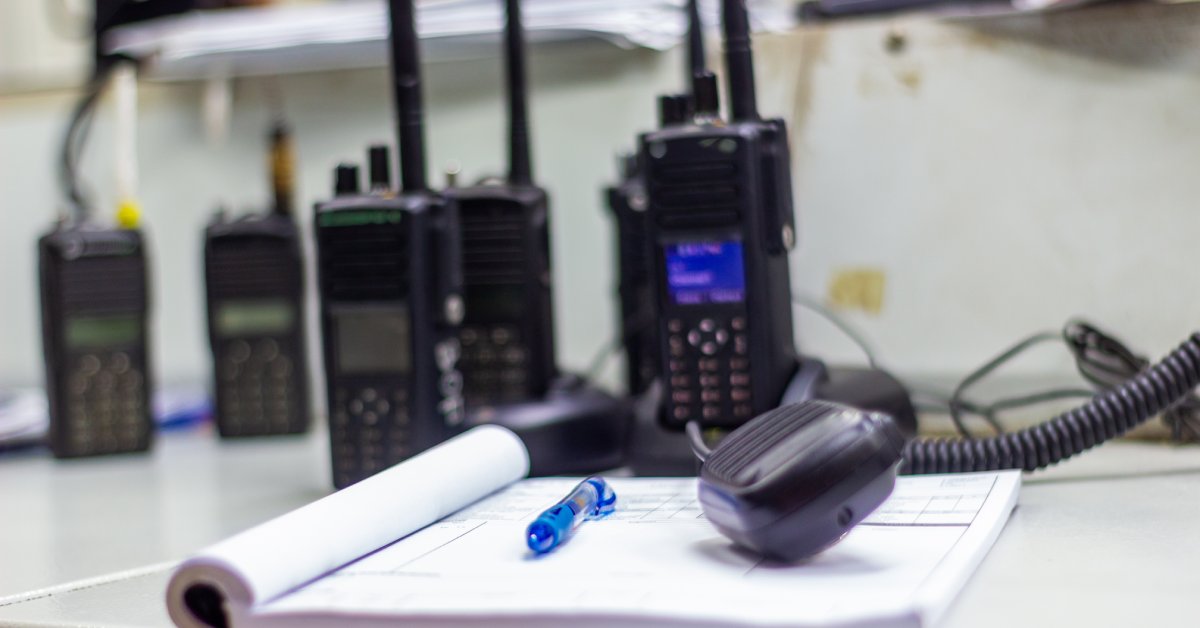
So, you need radios for your team. Sounds simple, until you’re four models deep into spec sheets and wondering why one costs 79 dollars and the other costs more than your first car. Spoiler: it’s about more than price.
Using the wrong radios can sabotage team communication, waste time, and trigger a chain reaction of avoidable problems. Below, we’ll walk you through what matters when choosing the right radios for business success.
Know Your Work Environment
Before you worry about features, get brutally honest about your workplace. Is it a wide-open field, a school with thick walls, or a warehouse full of forklifts, steel racking, and signal-eating machinery? These things matter more than you think.
For example, UHF radios are better suited for handling concrete walls and metal shelving than VHF, making them a solid choice for hospitals, warehouses, and office buildings. VHF, on the other hand, tends to work best outdoors—think large event spaces, farms, and construction sites.
If you need radios to cover multiple buildings or floors, you’ll probably want repeaters or high-power units. Don’t rely on the box to tell you it reaches “up to 35 miles.” That’s wishful thinking, unless you’re broadcasting from a mountaintop on a windless day with no trees, buildings, or people around.
Functionality Over Flash
Flashlights, weather alerts, and 99 channels might sound exciting, but they won’t help when your radio dies after six hours or picks up the landscaping crew from three blocks away. Stick to what matters: solid battery life (at least 12 hours), long-lasting construction, simple controls, and, depending on your location, FCC licensing.
Features such as noise-canceling mics, programmable buttons, and glove-friendly controls can make or break usability on the floor. And for operations involving heavy equipment or time-sensitive workflows, clear communication matters in industrial settings. Unfortunately, the best multitasker can’t haul pallets and troubleshoot signal issues simultaneously.
Troubleshooting and Tech Tips
Let’s talk tech. You bought decent radios, but now your team is struggling to pair headsets, dropping signal in the back office, or asking if the radios are “charged enough” every morning. These aren’t user errors; they’re setup oversights.
Bluetooth pairing is a big one. If you’re constantly troubleshooting Bluetooth connectivity on Motorola radios, double-check firmware versions, and reset any affected devices before blaming the hardware.
Also, set a schedule to charge radios overnight, not whenever someone remembers. And label each unit by department or role to avoid mix-ups during shift changes. These little steps add up fast.
Don’t Overlook the Simple Stuff
Here’s a surprisingly common mistake: buying radios with tiny buttons your crew can’t use with gloves on. Or radios that are too quiet in a noisy workspace. Or radios with no belt clips, so they live tragically at the bottom of a tool bag.
Don’t let your team struggle with radios that don’t match how—or where—they work. One small decision can impact efficiency, safety, and sanity. Choosing the right radios for business success really does come down to the details.





2 Comments
Terri Quick
I have an old school transistor radio that I love
heather
There is a lot to consider when choosing the right radio for a business. The was really informative and helpful to read.