
Fiber Optics: What They Are and Why They’re Popular
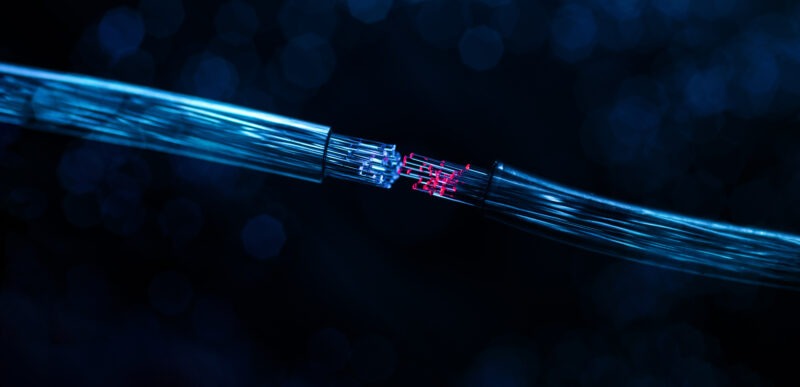
Fiber optic cables have revolutionized how we transmit data across the globe. These thin strands of glass or plastic carry information using light pulses, enabling lightning-fast internet speeds and crystal-clear communications. Unlike traditional copper cables that rely on electrical signals, fiber optics use photons to move data at nearly the speed of light.
The technology has gained massive popularity across industries, from telecommunications companies upgrading their networks to businesses seeking reliable high-speed connections. Understanding what makes fiber optics so special explains why they’ve become the gold standard for modern data transmission.
How Fiber Optic Technology Works
Fiber optic cables contain extremely thin glass or plastic fibers, each about the width of a human hair. Light travels through these fibers by bouncing off the walls in a process called total internal reflection. This method allows data to move across vast distances without significant signal loss.
The core of each fiber carries the light signals, while a surrounding layer called cladding reflects the light back into the core. An outer protective coating shields the delicate fibers from damage. This simple yet ingenious design enables data transmission at speeds that copper cables can’t match.
Speed Advantages Over Traditional Cables
Fiber optic cables deliver data at speeds measured in gigabits per second, far exceeding what copper alternatives can achieve. While traditional Ethernet cables max out around 10 Gbps under ideal conditions, fiber optics can handle 100 Gbps or more, depending on the specific type and configuration.
This speed difference becomes a crucial factor to consider when choosing Ethernet cables for high-demand applications. Businesses processing large amounts of data, streaming high-definition content, or running multiple simultaneous connections benefit enormously from fiber’s superior bandwidth capabilities.
Distance and Signal Quality Benefits
Traditional copper cables suffer from signal degradation over long distances, requiring signal boosters or repeaters to maintain quality. Fiber optic cables can transmit data over much greater distances without losing signal strength. Some single-mode fiber cables can carry signals up to 40 kilometers without amplification.
This capability makes fiber optics ideal for connecting buildings across campuses, linking data centers, or providing internet service to remote locations. The consistent signal quality eliminates the frustration of dropped connections or slow speeds that plague copper-based systems over extended distances.
Integration Considerations
Installing fiber optic networks often requires specialized equipment and expertise. However, many organizations successfully integrate fiber technology gradually using converters and adapters. Knowing when to use a fiber optic network converter becomes essential when connecting fiber infrastructure to existing copper-based equipment.
These converters bridge the gap between old and new technologies, allowing businesses to upgrade incrementally rather than replacing entire network systems at once. This approach reduces costs and minimizes disruption during the transition to fiber-based communications.
The Future of Data Transmission
Fiber optic technology continues evolving with new innovations improving speed and reducing costs. As data demands grow exponentially, fiber optics provide the foundation for next-generation applications like virtual reality, autonomous vehicles, and smart cities.
The combination of speed, reliability, and future-proof capabilities makes fiber optics an increasingly attractive choice for organizations planning long-term network strategies. While initial installation costs may exceed traditional options, the performance benefits and longevity typically justify the investment.





One Comment
Terri Quick
Thank you for sharing