
How Solar System Size Impacts Your Savings
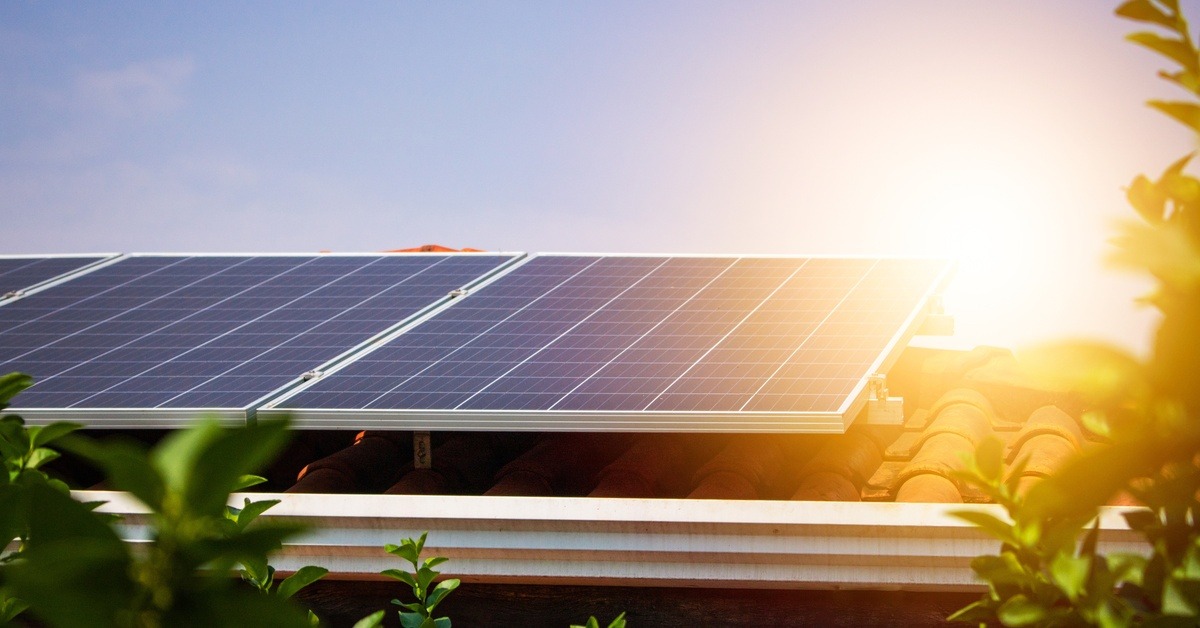
You open your electric bill… and it seems like your house is secretly hosting a tech startup. That monthly sucker punch is why so many people are turning to solar power. If you’re considering going solar, you should know that the size of your solar system matters. Let’s break down how solar system size impacts your savings so that you can stop throwing money at your utility company.
Size Affects Output
Your solar system’s size determines how much electricity it can generate, which is measured in kilowatts (kW). A 4kW system can cover the basics in a modest household, while a 10kW system might power a bustling home office, a second fridge, and your teenager’s endless gaming sessions. But more panels don’t automatically mean more savings—not if your home doesn’t use that energy.
If you’re wondering if you can add solar panels to your existing system, the answer is usually yes, provided there is sufficient roof space and inverter compatibility. Still, getting it right the first time saves hassle (and wiring headaches) down the road.
Match System Size to Lifestyle
If your weekends involve hot tubs, air fryers, and charging two electric bikes, you’re going to need more wattage than someone with more minimalist vibes. Your energy usage will tell you what system size to aim for—not the other way around.
Whether you’re living light or running a part-time candle-making business that requires a mini industrial oven, your lifestyle drives your energy demand. Over-sizing might lead to underutilized panels, while under-sizing means you’re still stuck paying the utility company.
ROI Isn’t Just Math
Sure, a larger system typically offers more savings over time—but only if your usage justifies the upfront investment. Let’s say you install an 8kW system that covers 90 percent of your energy needs. Over 10 to 12 years, you’re likely to break even. But if you only needed 5kW? That’s wasted money you won’t get back.
Before you commit, pull 12 months of past energy usage and ask your installer to run scenarios based on that data. Your wallet will thank you.
Don’t Underestimate Smaller Systems
You don’t need a 20-panel rooftop to make solar power worthwhile. Smaller systems are great for homes with low energy usage or other green upgrades in place. If you’re exploring ways to make your home more sustainable, changes such as improved insulation or a smart thermostat could lower your energy needs enough that a midsize solar setup will work. Plus, a smaller system often means lower upfront costs and a quicker return on investment.
And if your needs change? There’s always room to scale.
Think Long-Term
How solar system size impacts your savings comes down to this: the right fit matters. Choosing a system that aligns with your actual power usage ensures that you can maximize savings without wasting cash on underused capacity.
Oversizing may sound appealing, but the smarter move is planning for what you need now and leaving room to grow if life changes. Solar power is a commitment, not a contest.



2 Comments
heather
I so want solar panels on our house but I still have a lot of questions. This post was a great overview of solar panels thanks for sharing.
Terri Quick
Thank you for sharing this great info