Warehouse Solutions You Can’t Afford To Ignore Anymore

Warehousing is a hub of efficiency, innovation, and workflow optimization. When functionally sound, a warehouse is the backbone of a thriving business.
However, outdated or inefficient warehouse solutions can lead to increased costs, delayed orders, and dissatisfied customers. If your operations could use a revamp, try these warehouse solutions you can’t afford to ignore anymore.
What Makes a Warehouse Effective?
An effective warehouse acts as a well-coordinated center of operations that seamlessly manages storage, retrieval, and distribution of goods. At its core, a functional warehouse maintains order while supporting your business’s productivity.
Modern warehouses must balance storage optimization, inventory accuracy, and efficient workflows. Without these components, the entire supply chain slows to a halt. Investments in adaptable infrastructure and advanced technologies are fundamental in cultivating this operational backbone.
The Power of Better Racking Systems
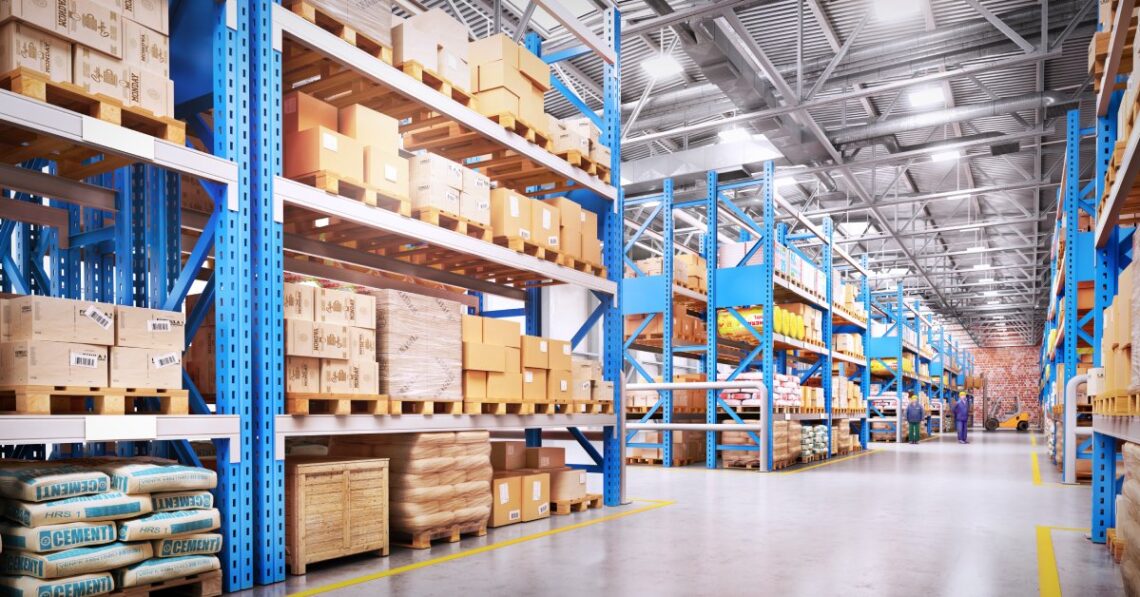
The heart of any warehouse lies in its racking systems. A disorganized or outdated racking layout can lead to inefficiency and reduced safety standards. Selective pallet racking systems enable direct access to every pallet, ensuring faster retrieval and restocking processes. In comparison, drive-in racking maximizes available space by allowing a denser organization of similar goods.
For businesses aiming to save operational time and enhance logistics, understanding the variety of racking options available is important. By strategically choosing systems that match your inventory needs, your warehouse can maximize storage capacity and employee productivity.
Automation Is Simply Not Optional
The warehouse industry is seeing a considerable shift toward automation, and for a good reason. Automated systems, such as conveyor belts, robotics, and automated guided vehicles (AGVs), dramatically improve throughput while simultaneously reducing labor costs.
Automation enhances accuracy by minimizing human error during processes like inventory counting and order picking. Businesses leveraging robotics and AI integration report faster turnaround times and more seamless product handling.
Rethinking Warehouse Space
Space utilization in a warehouse is another important factor worth paying attention to. Poorly optimized layouts create bottlenecks, causing delays during peak demand periods. Using warehouse space wisely revolves around implementing vertical storage systems that fully leverage your facility’s height and designing workflows that allow seamless movement.
Strategically placing high-demand items closer to dispatch areas minimizes time wastage. Similarly, allocating dedicated zones for inventory storage, packaging, and dispatch ensures a free-flowing routine that eliminates downtime. The smarter the layout, the better the potential for agile and profitable operations.
Don’t Overlook Stretch Wrapping Solutions
Stretch wrapping remains a core warehouse solution for ensuring load stability during transport and storage. It might seem minor, but inadequate wrapping can result in damaged goods and increased return rates. Automatic stretch wrappers provide speed and efficiency but require a bigger initial investment, making them a long-term solution for high-output environments.
In contrast, semi-automatic models strike a balance for businesses that don’t require full automation but still need consistency in wrapping quality. Properly understanding these differences ensures businesses can choose solutions aligned with their operations.
Businesses can no longer afford to ignore these smart warehouse solutions. Each one represents a step toward transforming your warehouse into one that meets today’s challenges while preparing for tomorrow’s demands. When businesses implement modern systems, they drive efficiency across all levels of their supply chain, reduce costs, and improve customer satisfaction.





2 Comments
Nancy Nickerson
Reducing labour costs is what adds to higher unemployment rates.
heather
There is a lot to know before setting up a warehouse. This was interesting to read lots to learn.