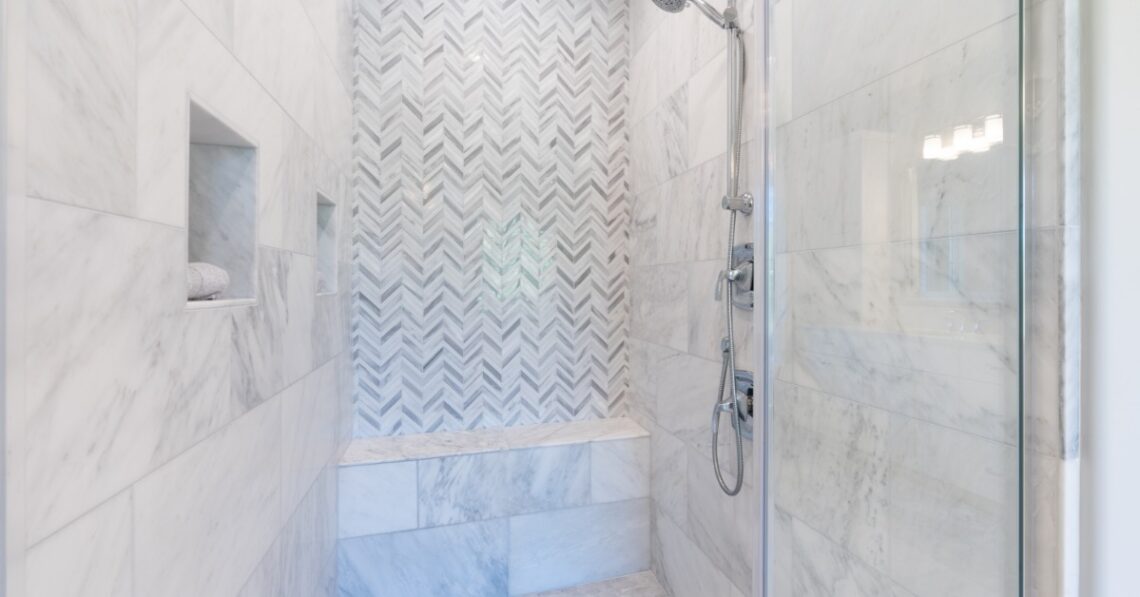
The Mobility Benefits of Installing a Walk-In Shower at Home
A bathroom should feel comfortable to use without forcing residents to make difficult movements each time they enter the shower. For many people, a traditional bathtub creates an obstacle that becomes harder to cross as strength or joint flexibility changes. A walk-in shower removes much of this physical barrier and creates an easier route into a space people use every day.
Mobility needs can shift with age, an injury, or changes in physical ability, and bathroom design should adapt without disrupting independence. A well-planned walk-in shower gives residents more freedom to move at their own pace without a tall tub wall in their path. The mobility benefits of installing a walk-in shower at home will help the space feel modern and adaptable to changing needs.
Make Shower Access Feel Natural
Stepping across a bathtub wall demands more physical effort than many homeowners expect until movement starts to become difficult. A walk-in shower replaces that awkward transition with an entrance that feels closer to the natural path across the bathroom floor. Residents can approach the shower with greater control over each step.
That difference matters when balance becomes less reliable. Instead of concentrating on how high to raise a foot, residents can focus on a steady entrance and comfortable movement inside. Daily personal care can remain a familiar routine rather than become an activity that demands extra physical effort.
Create a Bathroom That Respects Independence
Personal independence often depends on small details within the home, and bathroom access can have a major effect on daily confidence. A difficult shower entrance may force someone to seek help even when that person can handle the rest of personal care alone. Walk-in access removes an obstacle that can interfere with that independence.
The bathroom then becomes easier to use on a personal level. Residents can take their time without the pressure that comes from a difficult tub entrance or a cramped shower door. That freedom can help the home continue to match the needs of the people who live there.
Give the Body More Room to Move
A compact tub enclosure can restrict natural movement because walls and fixtures often sit close to the person inside. Walk-in showers can provide a more open footprint where residents have enough space to adjust their position without awkward physical turns. The extra room becomes valuable when flexibility starts to decline.
Open space can also make shower use feel less restrictive for a person who depends on a mobility aid. Wider access leaves more room to approach the shower without sharp turns near a narrow door. The design works with natural movement instead of forcing the body around a tight bathroom layout.
Plan the Installation Around Real Mobility
Good shower access depends on thoughtful construction rather than appearance alone. A poorly placed threshold or fixture can turn an accessible concept into another obstacle that residents must navigate every day. Avoiding the common mistakes during bathroom shower installation will help create an accessible space that supports natural movement without unnecessary physical barriers.
Professional plans should reflect how a resident enters, turns, reaches, and exits the shower. Those everyday movements reveal where space matters most and where an unsuitable design could create frustration. Careful construction allows the finished shower to serve its intended purpose without making the bathroom feel overly specialized.
Reduce the Physical Demand of Shower Use
A shower can become exhausting when every part of the routine requires extra effort. Residents with reduced endurance may find that a traditional tub makes the experience harder before the shower even begins. Walk-in access removes that demanding first step and creates a more comfortable start.
The difference can become especially noticeable after an injury or as physical stamina changes with age. Residents can move at a comfortable pace rather than rush through a difficult entrance that places pressure on weak joints. A more accessible shower helps personal care fit naturally into the day.
Place Fixtures Where People Need Them
Mobility depends on more than floor space because unnecessary reaches can make shower use uncomfortable for people with limited flexibility. Walk-in designs offer greater freedom to place controls where residents can access them from a comfortable position. This approach lets the shower respond to the user.
A resident should not need to twist across the enclosure just to adjust water temperature. Thoughtful fixture locations can keep normal shower actions within a comfortable reach and support a more relaxed posture. Better placement makes the entire space feel intentional rather than adapted as an afterthought.
Recognize When the Bathroom No Longer Fits
Older bathrooms often continue to look functional even after their layouts become difficult for residents to use comfortably. A bathtub that once felt simple may become frustrating when balance changes or leg strength starts to decline. Learning the signs it’s time to remodel your bathroomcan help you decide when improved shower access deserves serious consideration at home.
Waiting for the bathroom to become extremely difficult can place unnecessary pressure on everyday routines. A remodel offers the chance to address mobility concerns before they interfere with personal independence. Walk-in access can turn an outdated obstacle into a space that feels far more natural to use.
Make Room for Changing Mobility Needs
A bathroom that works well now may need to support very different physical needs several years from now. Walk-in showers offer flexibility because their open design can accommodate changes without requiring residents to abandon familiar personal care routines. That adaptability can become valuable as household needs evolve.
Someone may need more room after surgery or during a period of reduced mobility. An accessible shower can continue to serve that person without making a temporary physical change feel more disruptive than necessary. The bathroom remains useful because its design leaves room for life to change.
Support Comfort as Residents Age
Many homeowners hope to remain in a familiar home as they grow older, but bathroom access can influence how practical that goal feels. Traditional tubs often become harder to use because they demand balance and leg movement at the same moment. Walk-in showers create a simpler entrance that can remain comfortable as physical abilities change.
Accessibility does not require a bathroom to lose its modern character. A walk-in shower can feel elegant and open without drawing attention to the mobility needs behind its design. Homeowners receive a space that looks intentional and remains practical through different stages of life.
The mobility benefits of a walk-in shower change more than the appearance of a bathroom because it can transform how residents move through an essential daily space. Removing a high tub wall creates an entrance that feels natural and places fewer physical demands on people with changing mobility. The bathroom becomes easier to use without losing the privacy and independence that matter during personal care.
Thoughtful design also gives homeowners a chance to prepare their bathrooms for needs that may change over time. An accessible shower can remain useful after an injury, through later life, or whenever physical movement becomes more difficult. With careful plans, the bathroom can become a space that supports comfortable movement and continues to feel like a natural part of home.




2 Comments
heather
I so want one of these showers on our home. I have seen the ads on television and these showers look so safe for the elderly to use.
Rose
I would so love to do this, mostly because it is the “in” thing to do. I also have a neighbor who had to move because they could not make a bathroom accomodation for bathing, the shower still needed a raised area where you step in. So they are now in assisted living.