
Reasons Why Gutters Overflow During Heavy Rain
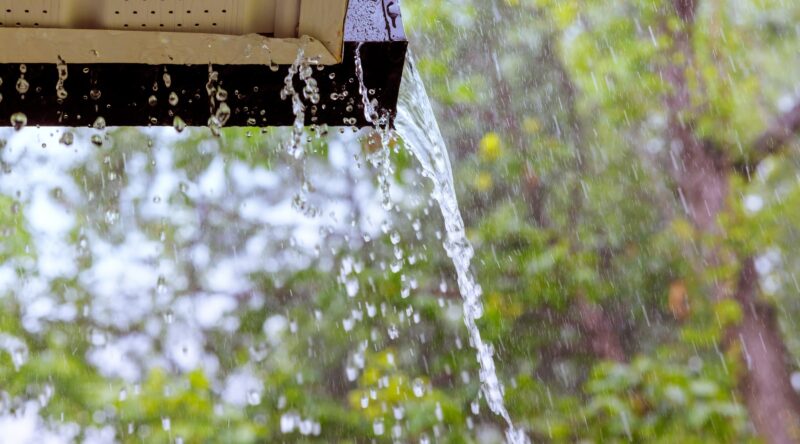
Heavy rain falls with dramatic flair, especially when it turns your gutters into tiny rooftop waterfalls. One minute, your home looks peaceful, and the next, your flowerbeds are drowning. Overflowing gutters don’t divert water the way they should, which can lead to soil erosion, basement moisture, and other issues. Gutters can overflow during heavy rain due to clogs, slope issues, undersized systems, and worn-out materials. If you notice any of these issues, correct them as soon as possible to avoid water damage.
Debris Blocks Water Flow
Gutters often overflow because water can’t move through leaves, twigs, roofing grit, and other debris. Once debris builds up, water spills over the gutter edge instead of moving toward the downspout. Regular cleaning helps rainwater move through the system so that it doesn’t puddle near your foundation, soak siding, or wash mulch out of garden beds.
You should clean your gutters at least twice a year, usually in spring and fall. Homes near trees or in storm-prone areas may need cleaning more often, especially after heavy wind or rain. If you’re tempted to put off this chore, keep in mind that poor home maintenance raises costs by turning manageable problems into expensive repairs.
Cracks, Sagging, and Other Damage
Gutters can also overflow when they are cracked, sagging, rusted, or pulling away from the roofline. A damaged section may interrupt the path water is supposed to follow, especially during a heavy storm.
Before replacing the entire system, look at the gutter’s age, visible damage, and how often the issue keeps coming back. That can help you decide whether to repair or replace gutters before the next storm.
Gutters Are Undersized
Some gutters overflow because they’re too small for the roof or local rainfall intensity. Large roof surfaces collect more water, and narrow gutters may not be able to keep up during a downpour.
There are many ways to increase a gutter system’s capacity. Wider gutters and added downspouts move heavy rainfall more efficiently. Longer extensions can carry the water away from the home.
Clogs, damage, and undersized systems are common reasons why gutters overflow during heavy rain. To protect your home, clean gutters at least twice a year, and check them more often if your home sits near trees. Watch how water flows during heavy rain so you can spot overflowing edges, slow drains, or downspouts that dump water too close to the house. Finally, fix cracks and sagging sections as soon as you can to avoid larger repair bills.