How Thoughtful Memorial Design Honors Lives and Heals Communities
When a loved one passes, the grief that follows is one of the most profound human experiences. Yet within that grief lies an equally powerful impulse: the desire to remember, to honor, and to create something lasting. Memorial design has evolved significantly over centuries, moving from simple stone markers to deeply personalized tributes that reflect the full complexity of a person’s life. Today, the way communities approach memorialization speaks volumes about how we value human dignity, collective memory, and the healing power of thoughtful commemoration.
The Psychological Importance of Physical Memorials
Grief researchers and mental health professionals have long recognized that physical memorials play a meaningful role in the bereavement process. Having a dedicated place to visit, reflect, and grieve gives mourners a tangible anchor for their emotions. Unlike digital tributes or private memories, a physical memorial exists in shared space, inviting others to participate in remembrance and offering a sense of continuity across generations.
Cemeteries and memorial gardens serve as communal sanctuaries where people can process loss at their own pace. The act of visiting a grave, leaving flowers, or simply sitting in quiet reflection has therapeutic value that many bereaved individuals describe as irreplaceable. According to the American Psychological Association, rituals surrounding death and remembrance are significant contributors to healthy grief processing, helping individuals find meaning and eventually move forward with their lives while keeping the memory of the deceased alive.
The Art and Craftsmanship Behind Memorial Markers
Memorial markers have been crafted for thousands of years, and the tradition of creating lasting stone tributes remains one of the most enduring expressions of human culture. From ancient burial mounds to elaborate Victorian monuments, each era has brought its own aesthetic sensibilities and symbolic language to the practice of commemorating the dead.
Modern memorial design balances artistic expression with structural durability. Granite remains the most popular material for permanent memorials because of its exceptional hardness, weather resistance, and ability to hold fine engravings for generations. Families today have access to a remarkable range of options, from classic upright monuments to flat lawn markers and custom-shaped stones that reflect a person’s passions, profession, or faith. Selecting meaningful headstones for graves has become a deeply personal process, one that encourages families to think carefully about how they want a life to be remembered and what symbols, words, or images best capture the essence of the person they loved.
Skilled memorial artists and engravers bring technical precision and genuine empathy to their work. The craftsmanship involved in creating a lasting memorial requires knowledge of stone properties, engraving techniques, and an understanding of how different finishes interact with light and weathering over time. This intersection of art, craft, and emotional sensitivity makes memorial design a uniquely meaningful profession.
Personalization as a Form of Storytelling
One of the most significant shifts in contemporary memorial culture is the move toward personalization. Where earlier generations often favored standardized inscriptions and traditional religious symbols, today’s families increasingly seek memorials that tell a more complete story. A memorial might feature a portrait etching, a favorite quote, an image of a beloved hobby, or a custom shape that reflects the deceased’s personality.
This storytelling approach transforms a grave marker from a simple identifier into a genuine biographical artifact. Future generations who visit a cemetery can learn something meaningful about the people buried there, not just their names and dates, but something of who they were and what they valued. In this way, personalized memorials extend the reach of a life well beyond the immediate circle of those who knew the person directly.
Families often find the process of choosing memorial details to be a meaningful part of grief work itself. Gathering to discuss what images, words, or symbols best represent a loved one encourages conversation, shared remembrance, and collaborative honoring that can strengthen family bonds during a difficult time.
Cemetery Landscapes and Community Wellbeing
Beyond individual memorials, the broader landscape of cemeteries and memorial parks contributes significantly to community wellbeing. Well-maintained memorial spaces serve as green oases in urban environments, providing quiet places for reflection that benefit not only the bereaved but the wider community. Many historic cemeteries have become important cultural and historical resources, preserving records of community history and offering spaces for outdoor education.
The design and maintenance of cemetery landscapes reflects broader community values around nature, heritage, and the dignity of the dead. Communities that invest in thoughtful cemetery design signal a commitment to honoring all members of society, regardless of their economic status or background. Inclusive memorial practices, including accessible pathways, multilingual inscriptions, and diverse symbolic options, ensure that every life can be commemorated with equal dignity.
Green burial practices are also gaining traction as environmentally conscious families seek options that minimize ecological impact while still providing meaningful commemoration. Natural burial grounds, which forgo traditional embalming and use biodegradable materials, are growing in popularity as an expression of values that extend even into end-of-life choices.
Preserving History Through Memorial Conservation
Historic cemeteries are irreplaceable archives of social, cultural, and genealogical history. The names, dates, and symbols carved into old headstones provide researchers, historians, and descendants with windows into the past that no other source can fully replicate. Preserving these records requires ongoing conservation efforts, including careful cleaning, structural stabilization, and documentation of threatened markers.
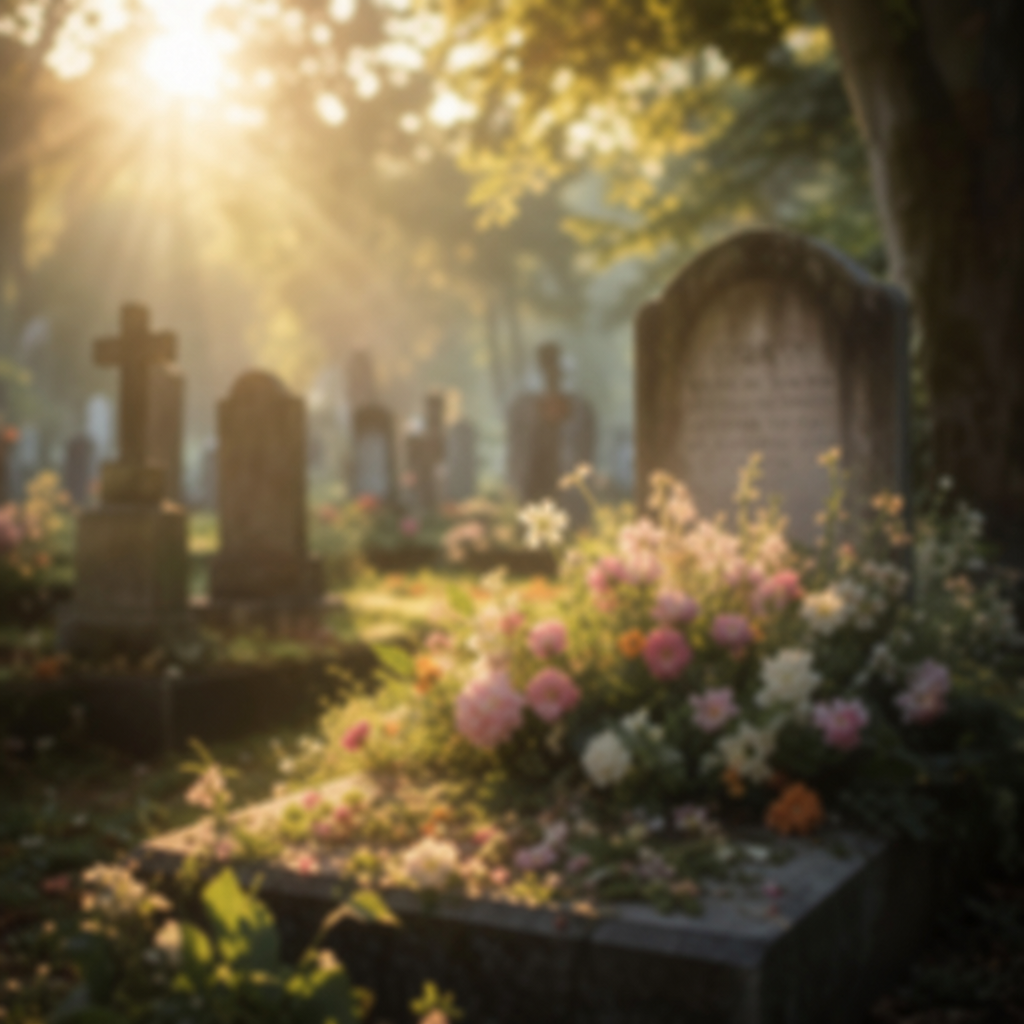
Volunteer organizations, historical societies, and local governments have increasingly recognized the importance of cemetery preservation as part of broader heritage conservation efforts. Digital documentation projects, which photograph and catalog inscriptions before they are lost to weathering, have made historical cemetery records more accessible than ever before. These projects connect people across generations and geographies, allowing descendants to discover family histories they might never have known otherwise.
The conservation of older memorial stones also offers important lessons for contemporary memorial design. Understanding how different materials and finishes have weathered over decades informs better choices for new memorials, ensuring that today’s tributes will remain legible and structurally sound for generations to come.
Memorialization, at its core, is an act of love. Whether a family chooses a simple, elegant marker or an elaborate personalized monument, the intention behind every memorial is the same: to say that this life mattered, that this person was known and cherished, and that their memory deserves to endure. In a world that often moves quickly past loss, the tradition of creating permanent, thoughtful tributes reminds us to slow down, to honor those who came before us, and to recognize the profound value of every human life. That enduring commitment to remembrance is not merely a funeral tradition; it is one of the most genuinely human things we do.




2 Comments
heather
I enjoyed reading this post. I really like to see a well cared for cemetery.
Terri Quick
Great postc