
Backyard Harvests Without Losing Your Mind
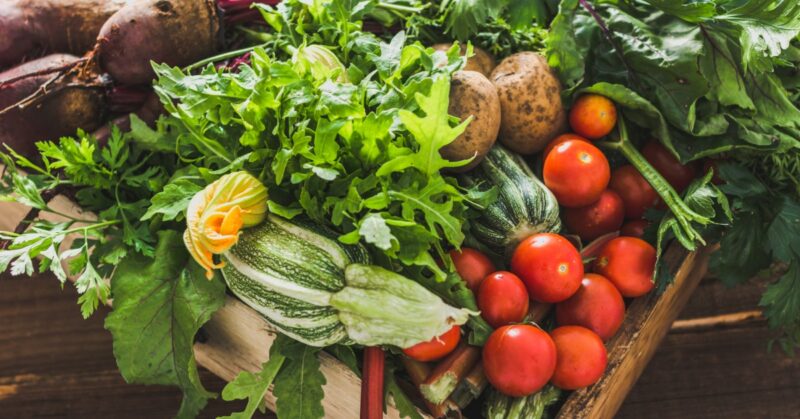
Anyone who has ever walked into their backyard expecting a thriving garden and instead found a few determined weeds knows how quickly optimism can collapse. The plan usually starts simple, with a handful of seedlings and just enough confidence to believe this time will be different, yet it soon turns into an ongoing negotiation with weather patterns and soil that refuses to cooperate. For backyard harvests without losing your mind, the goal is sustainability, because chasing perfection wears people down faster than a failed crop.
The Myth of the Effortless Harvest
The image of stepping outside and casually picking dinner sounds appealing, although it rarely matches reality for long. Plants don’t operate on a convenient schedule, and they certainly don’t care about your timing, which means even the most organized plans can fall apart when conditions shift without warning.
Gardeners who keep a steady harvest usually stop thinking in short seasons and start thinking in cycles. They use their space differently as they plan for the future, making planting decisions based on what comes next while still accounting for what works in the present. Approaches that mirror designing a garden with year-round harvests grow out of that mindset, with adjustments happening as conditions evolve without waiting for a full reset each season.
When Your Garden Starts Ignoring You
At some point, even the most patient gardener notices certain plants stop cooperating without warning. Tomatoes that once thrived might suddenly struggle, while herbs behave as if they have developed entirely new preferences overnight.
Instead of reacting with frustration, experienced growers spread their efforts across different crops and conditions. Gardeners choose some plants for their reliability while experimenting with others to see what thrives under changing conditions, which reduces pressure on any single area of the yard and leads to a more stable outcome.
Seasonal Reality Checks
Weather has a way of reminding everyone who is in charge, and backyard harvests shrink once conditions become extreme. Heat can slow growth to a crawl, while colder stretches can bring everything to a halt much earlier than expected.
When those limits become obvious, gardeners shift how they pursue fresh food. Many begin incorporating indoor gardening suggestions as a practical extension of their efforts, especially crops that adapt well to controlled spaces. The transition feels gradual because it supports the same objective without requiring a complete change in mindset.
Stop Treating Failure Like a Surprise
If gardening came with guarantees, it would look very different, and far more people would succeed on the first try. Crops fail, pests appear without warning, and sometimes the soil refuses to cooperate, which can feel personal even when it isn’t.
How gardeners respond to those outcomes determines whether they stay stuck in frustration or make progress. Instead of starting over completely, experienced gardeners adjust their approach based on what didn’t work. Small changes in timing or placement produce better results than drastic overhauls, especially when applied consistently.
The Lazy Gardener’s Secret Weapon
Despite the appearance of control that gardening content sometimes presents, most people do not have the time to manage every detail. A more restrained approach produces better results than constant interference.
Choosing low-maintenance crops and simplifying routines can create a steadier outcome. The goal is not to ignore the garden but to avoid unnecessary adjustments that create new problems. Give plants room to settle into their environment, and they respond with stronger, more consistent growth without the setbacks caused by constant disruption.
Mixing Indoor and Outdoor Without the Drama
Eventually, the distinction between indoor and outdoor growing matters less, especially when the focus shifts toward consistency. A backyard may carry most of the workload during favorable conditions, while indoor spaces quietly fill the gaps when the environment becomes less predictable.
This combination works because it doesn’t require a complete overhaul of habits. Instead, it adds a layer of reliability that supports the effort. Treating indoor growing as part of the same system keeps the transition from feeling forced or disconnected.
Why Small Indoor Wins Matter
A single plant growing steadily indoors can feel more dependable than an entire outdoor bed tied to ideal conditions. Such reliability reshapes how people approach harvesting, shifting attention toward what continues to produce while moving focus away from what underperforms.
Those small successes build confidence and influence decisions outside as well. Gardeners focus less on ideal scenarios and more on workable ones, which tend to produce more consistent results.
Accepting That Nature Has the Final Say
Gardeners may feel in control at the start, but shifting weather patterns, changing soil conditions, and unpredictable timing quickly introduce variables they cannot fully manage, making that sense of control difficult to maintain.
Gardeners who continue long-term usually adopt a more flexible mindset. They plan where they can, adjust when needed, and accept that not every season will meet expectations. That perspective makes setbacks easier to handle without turning them into larger frustrations.
Why “Good Enough” Is Actually Great
The idea of a perfect harvest can turn a simple activity into a constant source of pressure, especially when expectations stay high while results shift from season to season, making the gap between them difficult to ignore.
Focusing on what continues to produce changes the experience entirely, since even a partial harvest still provides value, and steady progress carries more weight than occasional success. That shift creates a more sustainable approach to growing food, one that feels manageable without constant frustration.
The Real Harvest Is Sanity
People keep gardening for reasons that go beyond the harvest itself, since the process pushes them to deal with unpredictability in a way that gradually becomes part of the appeal. While the produce is what people notice first, the experience of working through setbacks and adjusting expectations ultimately shapes whether they continue.
Maintaining that balance requires adapting when things go wrong, because gardens challenge expectations in subtle ways that keep the process engaging while preventing it from feeling repetitive.
Keeping It All Together Without Losing It
In the end, backyard harvests without losing your mind come down to adjusting expectations while continuing to move forward. There is no perfect system, although flexible approaches come closest.
Blending outdoor growing with small indoor solutions, while accepting that not everything will go as planned, creates a more stable experience. The result may not look perfect, yet it keeps both the harvest and your sanity intact.




3 Comments
heather
We haven’t had a garden in way too long and sure miss those garden tomatoes. The deer and rabbits always seem to get in though.
Rose
I’d love to have a backyard garden. At this complex, no back yard. We do have quite a few bunnies, I suppose they would enjoy nibbling on tasty treats if we could. Tomatoes for sure!
Terri Quick
Great tips