-
4 Tips to Help Your Child Ace Science Class
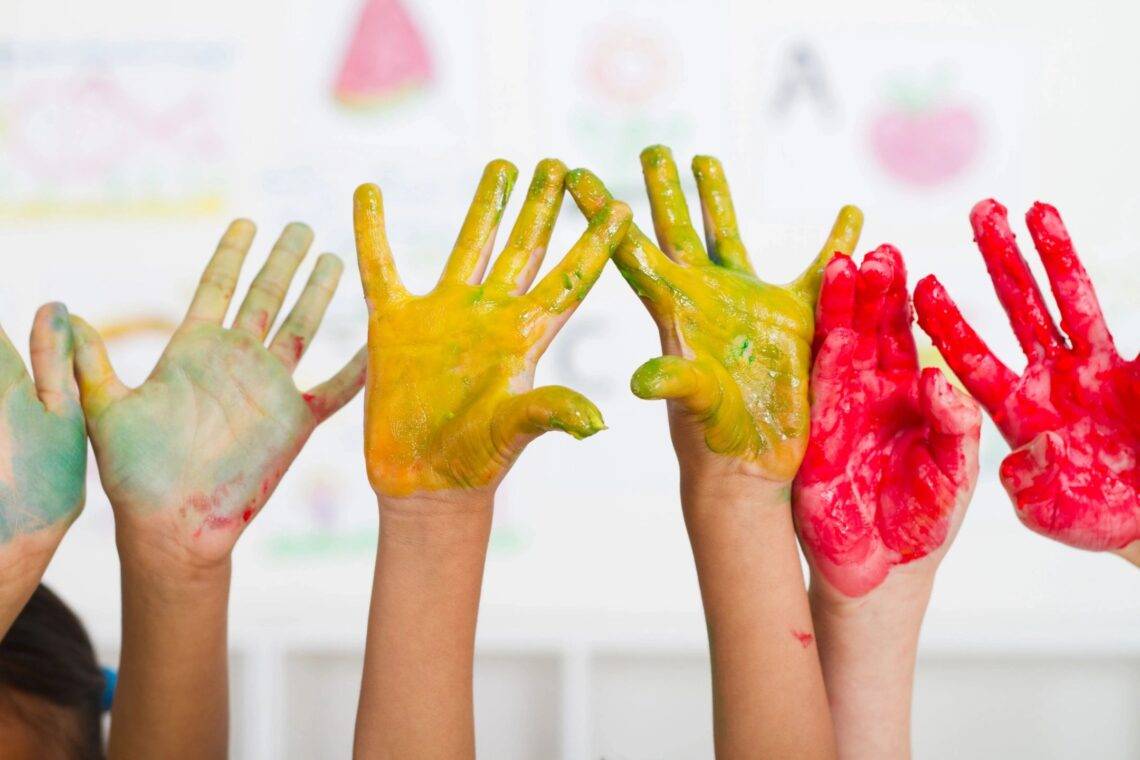
Science can be a difficult subject for some children to grasp. It can be especially challenging if they don’t have the right tools to help them succeed. This blog post will provide four tips that will help your child ace science class! By following these simple steps, your child will be well on their way to success in science and beyond! 1) Make science fun Science is an exciting and engaging subject for children to explore, but sometimes it can be intimidating. To make science fun and enjoyable, parents should create a learning environment that encourages experimentation and exploration. It’s important to focus on the basics first and then allow your child to slowly learn more complex concepts. To start, parents can purchase science kits with activities designed for children of different ages or sign their children up for science-related classes at their local library or community center. Parents can also engage in hands-on activities with their children such as building volcanoes with baking soda and vinegar, conducting experiments with food coloring or making rockets using plastic bottles. Additionally, parents could bring their children on field trips to a museum or observatory where they can observe real-world examples of scientific principles…
-
Make Learning More Fun
Children learn in different ways and absorb information in diverse ways; no two are alike. When you make learning more fun, children tend to respond well for longer periods of time. We all retain information in different ways, which is why when we enroll in higher education classes, we have more control over how we record what we learn so that it meets our own needs. If you notice inappropriate behavior, it could just be the result of the children’s frustration with the lessons. It’s critical to enhance your working style while also assisting others. There are many distinct learning styles, including visual learners who absorb information better when exhibited and observed. Physical learners benefit greatly from being hands-on. Another great addition you can make to helping children learn is using gamification in K-12 classrooms. Games are much more than a relaxing recreational tool for individuals of all ages. Games play on our fundamental urge for curiosity, competition, exploration, persistence for a reward, and achievement, eliciting strong emotions and human instincts. More Time Spent Outside Learning Things When talking about bugs, insects, and weather, it’s a good idea to get the students outside and involved in the activities. You can…
-
Simple Tips For Home-Schooling During The Pandemic
Just as adults have started to work from home, some children are being forced to learn through home-schooling. This is not something they will be used to at all, as you can imagine. However, you have a perfect opportunity to be a part of their educational development and help them to understand core concepts that feature in their curriculum. Something about being in the heart of your child’s education and helping them to understand and learn about the world should send tingles up anyone’s spine. But how do you help them learn in an environment which they’re not used to learning in, and how do you adjust to the new challenges you face? Make a classroom One of your rooms has to become their new classroom. It’s a way for them to go from being at home to sitting in a learning environment. They will be used to doing this mental transition every day they go to school. So, pick your living room and have a plan to move all the seating out the way. Move new seats in or if your children are still young, they can learn now the floor. Place an area rug underneath them so their…
-
Children Learning Reading Program – Teaching Children to Read!
Children Learning Reading Program creators Jim and Elena are parents to three children. They have taught two of their children (their third child is still a baby) to read. Little children!! Jim researched a lot of information on teaching children how to read and put all this information together in a reading program so we can teach OUR toddlers and kids to read before the age of THREE??? Yup!! three!! My regular followers know I babysit my 2-year-old Granddaughter Alice. While we spend time every day with a learning activity. Each lesson is short. Jim and Elena recommend spending only 10 to 15 minutes a day with the lessons. PERFECT!!! Alice doesn’t lose interest and doesn’t dread having her ‘school time’ I want Alice to be excited to learn!! After all her little mind is like a sponge!! At 2 she is anxious to learn!! This program is designed to properly teach phonemic awareness. “Teaching phonics and phonemic awareness produces better reading results than whole language programs. Teaching phonemic awareness improves a child’s reading, reading comprehension, and spelling abilities.” Children Learning Reading Children Learning Reading is a super simple and effective, step-by-step program that helps parents teach their children how…