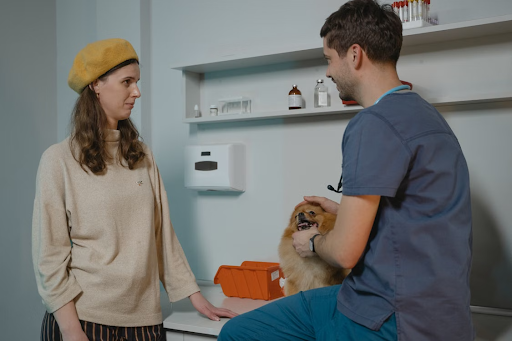
Effective Communication with Your Vet
Visiting the vet can be a stressful experience for both you and your pet. When you’re anxious, it’s easy to miss important details. That’s why clear, effective communication with your vet is one of the best ways to make sure your pet gets the care they need. Thinking of each appointment as a partnership helps you become a more confident and effective advocate for your furry family member’s health.
Preparing for Vet Appointments
A good vet visit actually starts long before you even step into the clinic. Getting ready beforehand helps you stay focused and makes sure the vet has all the information they need for an accurate diagnosis. Before your appointment, take a few minutes to jot down any changes you’ve noticed in your pet’s behavior, appetite, or energy levels. No detail is too small.
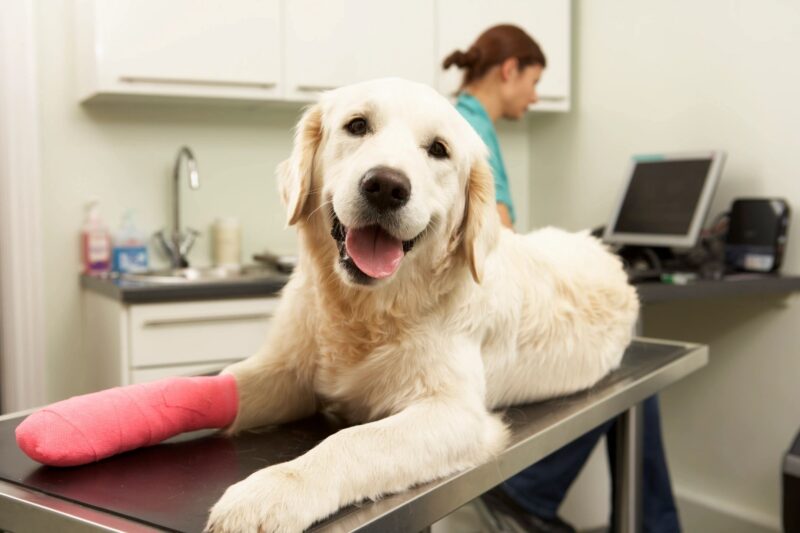
It’s also a good idea to record a video of any unusual behaviors, like a strange cough or a limp. Pets often don’t show these symptoms on command at the clinic! Having a trusted clinic you feel comfortable with is a big part of this process. For example, the team at a clinic like The City Vet really focuses on creating a compassionate environment where pet owners feel heard. For more tips, check out this guide to a successful vet visit to help make the experience less stressful.
Asking the Right Questions
When you’re at the appointment, don’t hesitate to speak up and ask questions. Your veterinarian is an expert, but you know your pet best. You’re a crucial part of their healthcare team. If something isn’t clear, ask for it to be explained in a different way.
Here are a few questions you might want to ask:
- What could be causing these symptoms?
- Which diagnostic tests do you recommend and why?
- What are the treatment options, and what are the pros and cons of each?
- How much will the recommended tests or treatments cost?
- What should I look out for at home, and when should I be worried?
Open conversation is the foundation of outstanding vet-client communication and helps build a strong, collaborative relationship.
Understanding Pet Health Information
Vets often use medical terms that can be confusing. It’s perfectly fine to ask for clarification. You can say, “Could you explain that more simply?” or “Can you draw a picture to show me what’s happening?” Taking notes during the consultation can also help you remember the details later.
Before you leave, make sure you fully understand the diagnosis, the treatment plan, and any medications your pet needs. Ask for written instructions, especially for medication doses and schedules. Many clinics can give you a printed summary of the visit, which is super helpful to look back at once you’re home.
Building Trust with Your Clinic
Building a strong, long-term relationship with your vet clinic is great for your pet’s health. Trust grows from open, honest communication on both sides. Be upfront about your concerns, including any financial limits or difficulties you might have with a proposed treatment plan. Your vet can often work with you to find other solutions or prioritize treatments.
This partnership also means respecting the clinic’s staff and their expertise. When you and your vet team trust each other, you can work together more effectively to manage your pet’s health throughout their life.
Following Up on Care Plans
Your role in your pet’s health doesn’t stop when you leave the clinic. Following the vet’s instructions is important for a smooth recovery. Give medications for the full prescribed time, even if your pet seems better, and follow any dietary or activity restrictions.
Know when to follow up and what to watch for. Ask if your pet needs a recheck appointment and schedule it before you leave. Find out which signs mean you should call the clinic right away and which can wait until the next business day. It also helps to review safety tips for pets and children so everyone in your home knows how to keep your recovering pet comfortable and safe.
Good communication can turn a routine vet visit into an ongoing partnership for your pet’s well-being. By preparing beforehand, asking questions, and staying in touch with your vet, you can give your companion the care they need.





One Comment
Terri Quick
Great post for us per owners