
How To Prepare Your Boat for a Full Day of Entertaining
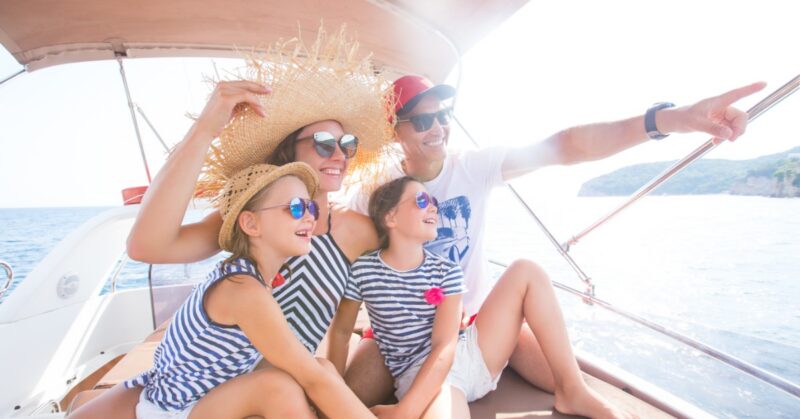
A full day on the water sounds delightfully simple: invite a few favorite people, pack something cold to drink, turn up the music, and point the boat toward sunshine. Then reality arrives carrying a dozen towels, six bags of snacks, three inflatable objects nobody remembers inviting, and one child asking where the bathroom is before the boat has even left the dock.
Preparing your boat for a full day of entertaining is less about creating a picture-perfect party and more about anticipating what people will need over several hours. Food, shade, safety, activities, storage, and cleanup all deserve attention before guests climb aboard.
Start With the Boat
Before thinking about food or entertainment, make sure the boat itself is ready for a long outing. Check fuel levels, required safety equipment, navigation lights, communication devices, and other essential systems.
The battery deserves particular attention because a day of music, electronics, and accessories can place extra demands on the electrical system. Boaters who spend time in coastal environments should also understand salt water’s effect on boat batteries since corrosion and salt exposure can create problems that are considerably less fun than running out of potato chips.
Confirm the boat’s passenger capacity, too. An invitation list should never be based on how many people can technically squeeze onto the seats. Guests need enough room to move safely and remain comfortable throughout the day.
Create Stations for the Things Everyone Needs
Before guests arrive, establish specific areas for frequently used items. One compartment might hold sunscreen and towels, while another keeps spare clothing, first-aid supplies, and personal belongings dry. A designated cooler area prevents people from repeatedly moving bags around to find drinks.
This approach is especially useful when children are aboard. Parents can find essentials quickly, and kids are less likely to turn every storage compartment into an archaeological dig.
Keep walking areas and access to safety equipment completely clear. Bags, shoes, toys, and coolers have an impressive ability to migrate directly into the least convenient location.
Plan Food for Heat, Water, and Hungry People
Boat food should be easy to store, easy to serve, and difficult to transform into an enormous mess. Finger foods are often the easiest choice. Sandwiches, wraps, cut vegetables, fruit, crackers, and other individually portioned snacks require little preparation onboard. Separate foods into smaller containers before departure rather than bringing oversized packages that take up valuable space.
Keep perishable foods properly chilled, and pack plenty of water. Spending hours outdoors in warm weather can make hydration especially important, even when guests don’t immediately notice that they’re thirsty. And for family outings, consider bringing a few familiar foods for younger passengers.
Give Guests a Break From the Sun
Sunshine may be the reason everyone comes out, but spending an entire day exposed to it can become exhausting. Make sure guests have access to shade whenever the boat’s layout allows it. Encourage hats, sunglasses, protective clothing, and regular sunscreen application. Keep extra sunscreen somewhere obvious rather than trusting everyone to remember their own.
Towels and dry layers are also useful even on warm days. Wind and wet clothing can make passengers surprisingly chilly once the boat is moving.
If older adults, young children, or guests who aren’t accustomed to boating are joining the outing, comfort becomes even more important. A full day should have natural opportunities to sit, cool down, eat, hydrate, and relax.
Have Entertainment That Doesn’t Require Constant Entertaining
Hosts don’t need to spend the entire outing functioning as cruise directors. Assemble a selection of activities that guests can enjoy independently. Swimming, floating, age-appropriate water games, music, cards, conversation, and sightseeing can fill the day without an elaborate schedule.
For families, bring a small selection of children’s activities for quieter periods. Waterproof games, simple crafts appropriate for the setting, or books can be surprisingly useful when kids need a break from swimming. Keep anything with tiny pieces at home unless spending the afternoon watching game pieces disappear overboard sounds appealing.
Music is another easy option, but prepare playlists before leaving areas with reliable connectivity. Downloaded entertainment can prevent the party soundtrack from becoming “buffering.”
Deal With Trash Before It Becomes a Problem
A group can generate an astonishing amount of rubbish during a full-day outing. Food wrappers, cans, bottles, napkins, and packaging accumulate quickly, especially when there isn’t an obvious place to put them.
Set up clearly organized trash and recycling on the boat before departure. Containers or bags should be secure enough that wind and movement won’t send their contents across the deck—or worse, into the water.
It also helps to reduce packaging while packing. Reusable containers and consolidated food portions can mean fewer loose items to manage later.
Prepare for the Small Emergencies
Not every problem requires dramatic music and a rescue helicopter. Most boating-day inconveniences are considerably more ordinary.
Pack a small collection of practical extras, including basic first-aid supplies, spare towels, dry clothes, waterproof storage, charging options where appropriate, and anything specifically required by the passengers aboard. Check the weather forecast shortly before departure and continue paying attention to changing conditions. A beautiful morning doesn’t guarantee identical conditions hours later.
Hosts should also make sure guests understand basic onboard rules before getting underway. Explain where safety equipment is located, where passengers can safely sit or move, and any rules children need to follow.
Leave Enough Flexibility To Actually Have Fun
Preparing your boat for a full day of entertaining doesn’t mean scheduling every minute. The point of boat entertaining is to make it easier for everyone—including the host—to enjoy being together. Build the day around a few essentials, such as meals, swimming stops, or a planned return time, while leaving plenty of room for spontaneous decisions.
Guests may want to swim longer than expected. Children might suddenly need a quiet break. Everyone may decide that floating around and talking is more appealing than the activity originally planned. When safety, food, comfort, organization, and cleanup have already been considered, changing plans is much easier.
A successful day on a boat rarely depends on elaborate decorations or complicated entertainment. It comes down to preparing for ordinary human needs in an unusual environment. Give people somewhere comfortable to sit, enough to eat and drink, protection from the elements, a few ways to have fun, and an obvious place to put their trash. Do that, and the biggest problem of the day may simply be convincing everyone it’s time to head home.


One Comment
heather
We used to have a boat and it was fun but also a lot of work and unexpected expenses. This was an interesting post to read.