
Innovative Tools for Pipe Testing Without Hassle
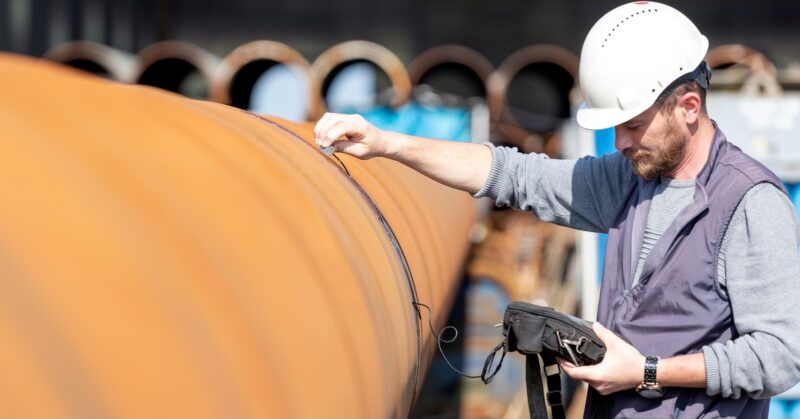
For professionals working in water management, construction, and facility maintenance, efficient pipe testing isn’t just about compliance—it’s about preventing costly failures, minimizing downtime, and ensuring system reliability. The tools we’ll explore in this article represent the forefront of pipe testing innovation, each designed to eliminate common pain points while delivering superior results.
Whether you’re dealing with residential plumbing systems or managing large-scale industrial pipelines, these six innovative tools will transform how you approach pipe testing, making the process faster, more accurate, and significantly less disruptive.
Smart Pressure Testing Devices
Smart pressure testing devices have revolutionized how professionals monitor pipe integrity during testing procedures. These advanced systems combine traditional pressure testing methods with digital sensors, wireless connectivity, and real-time data transmission to provide unprecedented visibility into pipe performance.
Unlike conventional pressure gauges that require manual monitoring, smart devices continuously track pressure variations and automatically alert technicians to any anomalies. Many models feature cloud-based dashboards that allow remote monitoring from smartphones or tablets, enabling technicians to oversee multiple testing sites simultaneously. This capability is particularly valuable for large projects where traditional methods would require numerous crew members stationed at different locations.
Acoustic Emission Testing Systems
Acoustic emission testing represents a breakthrough in non-destructive leak detection technology. These sophisticated systems use highly sensitive microphones and advanced signal processing algorithms to detect the unique acoustic signatures produced by leaking pipes, even when leaks are too small to be visible or detectable through traditional pressure testing methods.
The technology works by analyzing the high-frequency sounds generated when pressurized fluid escapes through pipe defects. Advanced filtering algorithms can distinguish between leak-related sounds and background noise, providing accurate leak location data with precision typically within 3-5 feet of the actual defect. This level of accuracy dramatically reduces the need for exploratory excavation, saving both time and money on repair projects.
Robotic Crawlers
Robotic pipeline crawlers equipped with advanced sensor packages have transformed internal pipe inspection from a complex, labor-intensive process into a streamlined, data-rich operation. These compact, remotely operated vehicles can navigate through pipes as small as six inches in diameter while carrying sophisticated diagnostic equipment, including high-definition cameras, ultrasonic thickness gauges, and chemical sensors.
Thermal Imaging Technology
Thermal imaging cameras have emerged as powerful tools for pipe testing, particularly in applications involving heated fluids or systems where temperature variations can indicate potential problems. These devices detect infrared radiation emitted by pipe surfaces, creating detailed thermal maps that reveal temperature patterns invisible to the naked eye. It can help professionals spot a failing industrial electric motor. This catch will reduce downtime costs.
Comprehensive Software Platforms
Modern pipe testing generates vast amounts of data that require sophisticated analysis and reporting capabilities. Advanced software platforms can handle the complex data sets produced by today’s testing equipment, transforming raw sensor data into actionable insights and comprehensive reports.
These platforms typically feature automated data import capabilities that seamlessly integrate with various testing equipment brands, eliminating the need for manual data entry. Machine learning algorithms analyze historical test data to identify patterns and predict potential failure points, enabling proactive maintenance strategies. Interactive dashboards offer real-time visualization of test results, allowing technicians and managers to understand complex data sets at a glance.
Plastic Pipe Plugs
While high-tech solutions dominate many aspects of modern pipe testing, plastic pipe plugs represent an elegant example of how simple innovation can solve complex problems. These specially designed plugs provide reliable pipe isolation during testing procedures, eliminating the need for costly valve installations or complex isolation procedures.
Modern plastic pipe plugs feature advanced sealing designs that accommodate slight pipe irregularities while maintaining leak-tight seals under significant pressure. Unlike traditional metal plugs, plastic versions won’t scratch or damage pipe interiors, making them ideal for use in finished systems or pipes with protective coatings. The lightweight construction makes them easy to handle and position, while the transparent materials used in many designs allow visual confirmation of proper sealing.
Transform Your Pipe Testing Operations Today
The pipe testing industry continues to evolve rapidly, with innovations emerging regularly to address the challenges faced by professionals in the field. The six tools outlined in this article represent proven technologies that are already transforming how professionals conduct pipe testing across various industries. Implementing these innovative solutions doesn’t require a complete overhaul of existing procedures. Start by identifying the most significant pain points in your current testing processes, then select the tools that directly address those challenges.




2 Comments
Tamra Phelps
Well, this is something I knew squat about, lol. That was pretty interesting.
heather
I don’t know very much about pipes but I know testing is important. These hassle free testing tips sound really good.