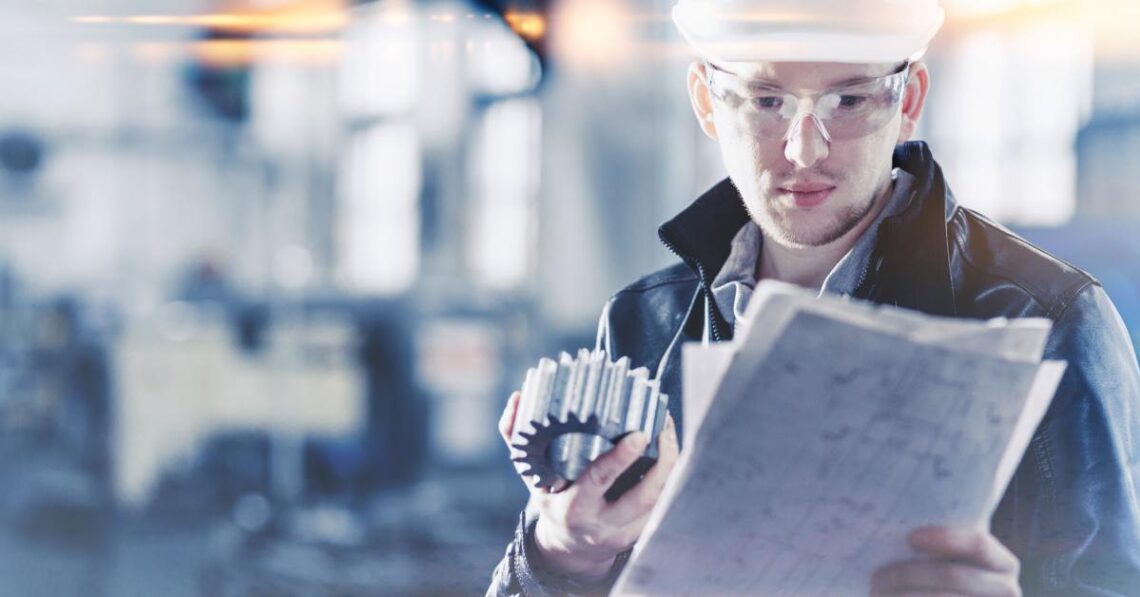
Why Safer Part Handling Starts Before Assembly
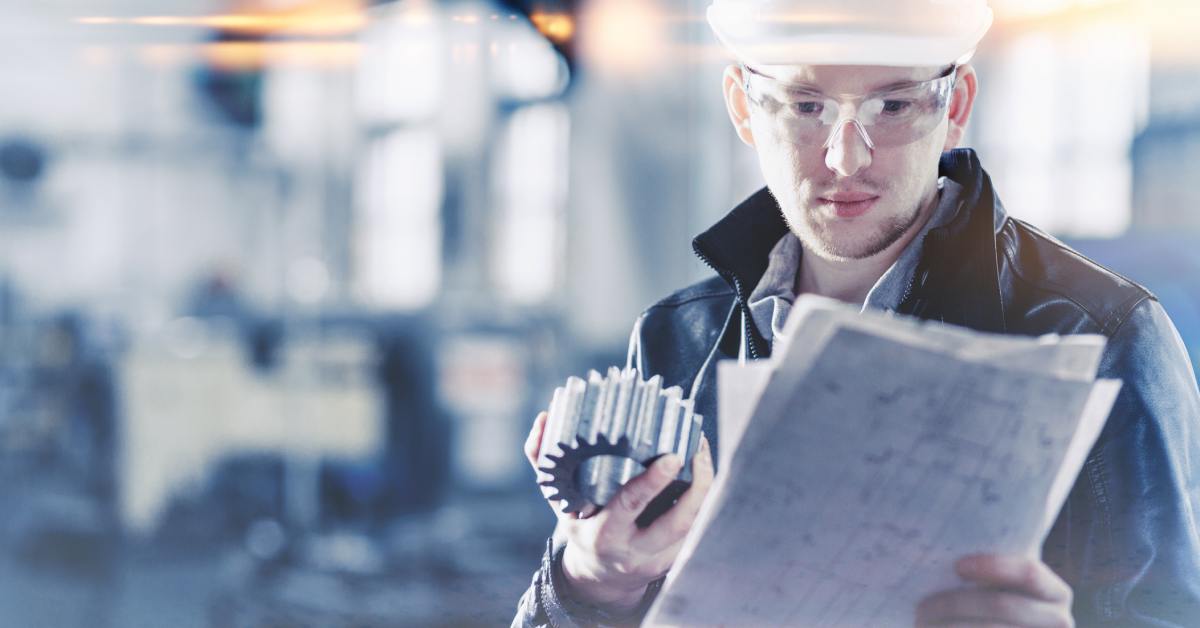
At first glance, assembly seems to be where part handling either works or falls apart. However, the real trouble usually starts earlier, when rough edges, poor finishing, and awkward part flow begin slowing people down before the build even begins. That is why safer part handling starts before assembly. If a part reaches the line feeling like a trap, the problem did not start at assembly, and nobody on the floor needs that kind of surprise.
Rough Parts Create Trouble So Early
To begin with, rough parts change how people move. A sharp edge or leftover burr makes workers pause, adjust their grip, stack parts more carefully, and second-guess what should have been a routine handoff.
Those small interruptions do not look dramatic on their own, yet they pile up across a shift and quietly drain time from the whole line. Before long, a simple pickup turns into hesitation, and that hesitation spreads from one station to the next in a way nobody enjoys.
Smoother Edges Help Work Flow Naturally
Once parts arrive with clean, consistent edges, everything starts to feel easier. Workers handle them with greater confidence, and inspections move along with fewer stop-and-check moments.
That is one reason mechanical deburring enhances safety and part handling, because smoother edges support better control from the first touch to the final handoff. In other words, when the part feels dependable during the first run, the whole process tends to move more smoothly and with much less frustration.
Small Handling Issues Turn Into Bigger Costs
Then there is the money side, which tends to get attention fast. A burr left behind early in production can lead to scratched surfaces, slower packing, awkward stacking, extra inspection time, or rework later on when several people have already handled the same part. At that point, the original flaw has done far more than slow down one person, since it has added labor costs, caused annoyance, and slowed flow at multiple stops.
Why Protective Gear Still Deserves Serious Attention
At the same time, protective gear deserves a bigger place in this conversation because safer handling does not depend on the part alone. Gloves, sleeves, eye protection, and high-visibility gear help workers stay protected when sharp edges, fast movement, and busy production areas all compete for attention.
That is why choosing the right Hi-Vis workwear aligns with the same safety mindset as proper finishing, since both support greater awareness and fewer preventable injuries on the floor.
What Better Part Handling Says About the Whole Shop
By the time customers see the finished product, they will never know which part once had a sharp edge or a stubborn burr. What they do notice is whether the company delivers steady quality, keeps production moving, and shows signs of real process control behind the scenes. That is why safer part handling starts before assembly, because smoother handling reflects discipline, consistency, and respect for the people doing the work.


You May Also Like
How To Reduce EMF Radiation in Your Home

Alice Wants To Tell You A Joke! #BellyLaughs