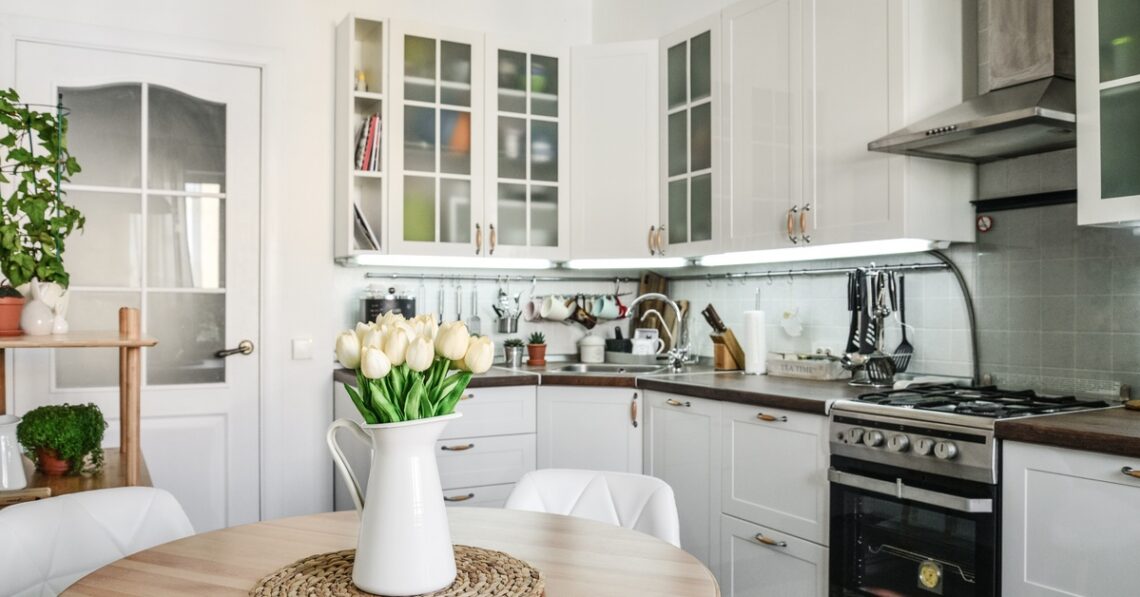
Easy Ways to Make a Small Kitchen Feel More Spacious
A small kitchen can be charming and cozy right up until two people try to open different drawers at the same time. Suddenly, breakfast turns into a low-budget obstacle course. Fortunately, making a kitchen feel larger doesn’t always require knocking down walls or launching a renovation that drains your savings account.
Following some easy ways to make a small kitchen feel more spacious can change how you see and use the room. Better lighting, thoughtful storage, streamlined appliances, and a little visual trickery can create breathing room without adding a single square foot. The goal is to make the kitchen work smarter while giving your eyes fewer reasons to notice its modest dimensions.
Choose Colors That Keep Things Visually Light
Color strongly influences how large or small a room appears. Lighter shades reflect more light and reduce the visual weight of walls and cabinets. You don’t need to paint everything hospital white, though, unless sterile chic is your dream aesthetic.
Warm whites, soft grays, pale blues, muted greens, and light natural wood tones can all create an airy effect. Keeping neighboring surfaces relatively similar in tone also prevents the kitchen from looking chopped into several small sections.
Contrast still has a place in a compact kitchen. A darker island, backsplash, or lower cabinet can add depth without overwhelming the room. The trick is to choose contrast intentionally instead of giving every surface its own dramatic personality.
Use Vertical Space Before Complaining About Square Footage
Small kitchens often have more storage space than homeowners realize. Unfortunately, some of it floats several feet above their heads doing absolutely nothing. Looking upward can uncover surprisingly useful storage opportunities.
Vertical storage works especially well for items that would otherwise take up cabinet and counter space. Consider using walls for:
- Magnetic knife strips instead of countertop knife blocks
- Hanging rails for frequently used utensils
- Narrow shelving for spices and small containers
- Hooks for lightweight pans, mugs, or kitchen accessories
- Over-the-door organizers inside pantry or cabinet doors
These additions free horizontal surfaces and make frequently used tools easier to reach. Just avoid covering every available inch of wall space, or the kitchen may start resembling a hardware store display.
Let Better Lighting Do Some Heavy Lifting
Dark corners make small kitchens feel even smaller. A single ceiling fixture often leaves work areas gloomy, particularly when upper cabinets block its light. Layered lighting helps eliminate shadows and makes the room feel more open.
Under-cabinet lighting can brighten countertops while adding depth along the walls. Pendant lights work nicely over a small peninsula or eating area, while recessed fixtures can spread light throughout the room without adding visual clutter.
Natural light deserves attention, too. Avoid heavy window coverings that block daylight. A simple shade or lightweight treatment can provide privacy without making the window look smaller than it actually is.
Pick Appliances That Respect the Available Space
Large appliances can dominate a compact kitchen faster than someone claiming the entire refrigerator shelf with leftover takeout. Choosing appropriately sized models helps preserve walking space and creates cleaner visual lines.
Consider counter-depth refrigerators, slimmer dishwashers, or compact cooking appliances when they fit your household needs. Built-in options can also reduce visual interruptions because they integrate more naturally with surrounding cabinetry.
Homeowners researching the benefits of upgrading to a built-in wall oven may find another useful strategy for improving a compact layout. Separating the oven from a traditional range can provide greater flexibility when arranging cooking zones and storage.
Create Longer, Cleaner Sightlines
Your eyes help decide whether a room feels spacious. Abrupt visual changes tell your brain the space contains several small sections. Continuous surfaces create the opposite impression.
For example, extending the same flooring into an adjoining dining area can make both rooms feel more connected. A backsplash that runs continuously across the main work wall creates a similar effect. Consistent cabinet hardware can also reduce unnecessary visual interruptions.
Glass cabinet doors offer another option when used selectively. They add depth because your eye can see beyond the cabinet front. However, glass doors expose everything behind them, including that heroic collection of mismatched plastic cups.
Open shelving produces a comparable sense of depth. Keep displays simple and practical so the shelves enhance openness rather than introducing more clutter.
Add Personality Without Filling Every Empty Spot
A spacious-looking kitchen does not need to look generic. In fact, a room without personality can feel more like an appliance showroom than the heart of a home. The challenge comes from knowing when enough really means enough.
Add character to your kitchen without overdecorating by choosing a few details that make a strong impression. Interesting cabinet hardware, a single piece of artwork, or a distinctive backsplash can add personality without taking up valuable space.
Avoid decorating every counter, shelf, and windowsill simply because an empty surface exists. Space plays an important design role. It gives decorative pieces room to stand out while helping the entire kitchen feel calmer.
Choose Furniture That Does More Than One Job
Furniture can quickly overwhelm a compact kitchen, especially when each piece performs only one task. Multifunctional furniture offers flexibility without taking up permanent floor space.
A small rolling island can provide extra preparation space when you need it and move aside afterward. Some models include shelves or drawers, which add storage without requiring new cabinetry. Drop-leaf tables offer another practical option for households that need occasional dining space.
Backless stools can slide underneath counters instead of occupying a walkway. A narrow bench with internal storage can provide seating while hiding less-used kitchen items. Scale matters more than style here. Even the most gorgeous farmhouse table becomes significantly less charming when everyone has to turn sideways to reach the refrigerator.
Keep Traffic Flow Simple
A kitchen can look spacious and still feel cramped if people constantly bump into each other while cooking. Good traffic flow matters just as much as visual design, especially in households where several people use the room.
Watch how people naturally move between the refrigerator, sink, stove, pantry, and dining area. If a trash can, chair, cart, or decorative piece repeatedly interrupts that route, find it another home. Removing one obstacle can make the entire kitchen feel easier to navigate.
Cabinet and appliance doors also need adequate clearance. Check whether open doors collide with each other or block important pathways. Small adjustments to storage habits or furniture placement can reduce these annoying bottlenecks.
You should not need choreography instructions to unload the dishwasher while someone makes coffee. A practical layout keeps routine movements simple and makes the room feel larger because people can move through it comfortably.
Give Your Small Kitchen Room to Breathe
Making a small kitchen feel more spacious usually requires smarter choices rather than more square footage. Clear surfaces and thoughtful lighting can change how the entire room looks and functions.
Most importantly, resist the urge to fill every available inch. A little space can do more for a compact kitchen than another shelf full of decorative objects ever will. Give the room some breathing room, and suddenly your small kitchen may feel less like a puzzle and more like a place where you actually enjoy cooking.



3 Comments
Terri Quick
These are great ideas
heather
These are some great tips and some we are so going to try out in our kitchen. We need to do some series ‘spring cleaning’ in our kitchen and get rid of gadgets that we just don’t use.
Rose
Ohhh these are great ideas! I have a very tiny kitchen, just enough room to turn around. I’m always wondering what to do to improve it that doesn’t require renovating!