Tire Maintenance Tasks You Should Always Remember
Tires don’t ask for much attention, but they do benefit from a little care at the right times. A few minutes here and there can help you spot wear, pressure changes, or damage before a routine drive turns into an inconvenient roadside stop. Tire maintenance tasks you should always remember cover more than a glance at the tread before a road trip. They form a practical routine that helps your tires perform as expected from the weekday commute to a Saturday drive out of town. Learn how to take better care of your tires with these easy, essential steps.
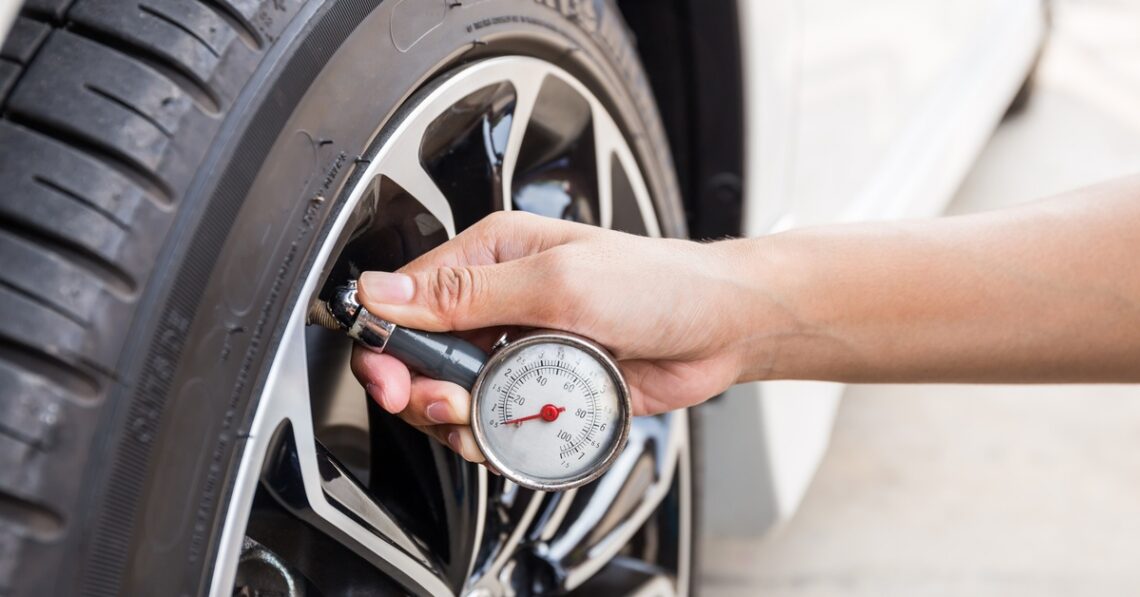
Check Your Tire Pressure Regularly
Tire pressure can shift as temperatures change or as air escapes gradually over time. An underinflated tire may flex more than intended, create extra heat, and wear unevenly. Too much pressure can also affect the tire’s contact with the road and contribute to uneven tread wear.
Check pressure when the tires are cold, since a drive can raise both tire temperature and pressure. Refer to the recommended pressure listed on the vehicle’s tire information placard, typically found inside the driver’s door area. The number printed on a tire’s sidewall serves a different purpose and shouldn’t replace the vehicle manufacturer’s recommendation.
A pressure check is also a good time to look at all four tires instead of treating the task as a numbers-only exercise. One tire with noticeably lower pressure than the others may have a slow leak. A nail, damaged valve, or small puncture could sit out of sight until you take a closer look. Make sure to learn how often you should replace your tire valves to ensure you don’t overlook small but crucial details.
Give the Tread Some Attention
Tread tells part of the story of a tire’s condition. As the tread wears down, the tire has less depth available to channel water away from the contact area. A quick visual check can reveal more than total tread depth, too.
Look across the entire tread surface rather than one convenient spot. Wear on one shoulder, wear across both edges, or unusual patches can point toward a pressure, alignment, or suspension concern. A tire can still have tread left and show a wear pattern that deserves professional attention.
Treadwear indicator bars also provide a useful reference. These raised sections sit inside the tread grooves and become more noticeable as the surrounding tread wears down. Once the tread reaches the level of those bars, the tire has reached its minimum tread depth and needs replacement.
Keep Tire Rotations on Your Maintenance Calendar
Your tires don’t all experience the same workload. Front tires can face different steering and braking forces than rear tires, and drivetrain layout also affects how tread wears from one position to another. Rotation moves tires to different positions so wear has a chance to develop more evenly.
Follow the rotation interval and pattern recommended for your vehicle and tires. Some tire designs, wheel setups, or vehicles require specific rotation patterns, so a universal approach doesn’t fit every car. Your owner’s manual can provide the appropriate interval and guidance for your vehicle.
It helps to pair rotations with another routine service interval. That approach makes the task harder to forget months later. Keep a record of each rotation as well, since a service history gives you a clearer picture of how long the tires have stayed in each position.
Watch for Alignment Trouble
A car can still travel down the road with an alignment issue, but the tires may pay for it. Poor alignment can place uneven pressure across the tread and cause one section to wear faster than the rest. Pay attention to clues from both the tires and the vehicle. Uneven tread wear, a crooked steering wheel when the vehicle travels straight, or a tendency to drift can justify an alignment inspection. A hard encounter with a pothole or curb can also provide a good reason to have the alignment checked.
Don’t treat an alignment as a tire repair after wear appears. Instead, treat it as a tool that addresses the vehicle geometry that may have contributed to the wear. A technician can inspect the situation and determine if alignment service or another repair deserves attention.
Inspect Tires for Visible Damage
Not every tire problem starts with worn tread. Cuts, cracks, punctures, bulges, and embedded debris can appear in areas that receive little attention during a normal day. A quick walk around the car gives you a chance to catch these concerns.
Look at the tread and as much of each sidewall as you can see. A screw in the tread may hold air for a time, but that doesn’t mean the tire should stay in service without an inspection. Sidewall bulges also deserve prompt professional attention because they can indicate internal damage.
Avoid pulling an embedded object from a tire before a technician can inspect it. Removal may cause the tire to lose air faster and leave you with a flat at an inconvenient moment. Let a tire professional assess the location and extent of the damage first. Don’t forget about the best tips for repairing your car after an accidentif the damage expands past the tires.
Remember the Spare Tire
The spare tire tends to disappear from thought because it spends most of its life tucked beneath a cargo floor or mounted out of everyday view. Unfortunately, discovering a flat or damaged spare after another tire fails creates exactly the type of surprise no driver wants. Check the spare’s pressure as part of your regular tire routine. Spare tires may require a different pressure than the four tires on the road, so follow the specification provided for your vehicle. Inspect its condition, age, and accessibility at the same time.
Take a look at the tools you’d need to use the spare as well. Confirm that the jack and lug wrench remain with the vehicle and that you know where they’re stored. A prepared spare tire setup turns a stressful roadside situation into a more manageable one.
You don’t need to become a tire expert to stay attentive to what’s beneath your vehicle. Consistent checks can reveal concerns early and help you know when professional service makes sense. Use these tire maintenance tasks you should always remember to enjoy a less stressful experience on the road.





4 Comments
Shannon Mitchell
All great tips. I don’t put too many miles on my car, everything is pretty close to me. I do have the weather issues with my tires going up and down because the temperatures here go from one extreme to the other. I check them a couple of times a month.
Regina
Good tips. It is important to teach new drivers how to check tire pressure, along with other things, like fluid levels..or how to change wiper blades.
Terri Quick
Thanks for the great information
heather
These are some great tips for all drivers to remember. It’s it almost time to get my tires rotated again.