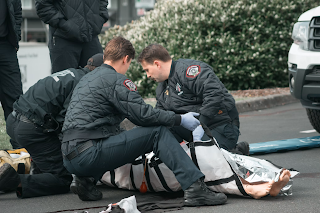
How to Build a Sustainable Career in Emergency Medical Services
A career in Emergency Medical Services offers a direct way to make a difference in your community, but it also demands incredible resilience. For many, the initial passion for helping people can be challenged by the high-stress environment and emotional toll of the job.
The key to not just starting but thriving in EMS is to build a career that is sustainable for the long haul. This means being proactive about your growth, health, and professional environment from day one. Focusing on a few key areas helps you create a fulfilling career that lasts.

Start with the Right Foundation and Employer
Your journey in EMS begins with the right education and certification, typically as an Emergency Medical Technician (EMT) or a Paramedic. Once you have your credentials, choosing where you work becomes one of the most critical decisions you’ll make. A supportive employer can make all the difference in how long you stay in your career. Look for organizations that invest in their staff through ongoing training, modern equipment, and a positive workplace culture.
Some providers of Royal Ambulance EMS services are known for creating environments that prioritize employee well-being and professional development. When you’re interviewing, ask about mentorship programs, opportunities for advancement, and the company’s approach to mental health support. A good employer sees you as a long-term asset, not just a number on a roster.
Prioritize Your Mental and Physical Well-being
EMS work comes with significant physical and emotional demands. Ignoring them is a fast track to burnout. To build a sustainable career, self-care must be a non-negotiable part of your routine. This starts with the basics: prioritizing sleep, maintaining a healthy diet, and getting regular exercise. These habits build a strong foundation to handle the stress of long shifts and difficult calls.
Beyond physical health, you need a strategy for your mental well-being. Acknowledging the emotional impact of the job is the first step. Many agencies now offer access to counselors and peer support groups specifically trained to help first responders. These resources are there to be used. Learning to decompress after a tough shift, whether through a hobby, mindfulness, or talking with a trusted friend, is a skill that will protect your passion for the job. The industry is increasingly focused on rebuilding EMS from within through creating healthier work environments and support systems.
Find Your Niche and Keep Learning
The field of EMS is much broader than just responding to 911 calls. As you gain experience, you can find specialized roles that align with your interests and provide new challenges. This can prevent career stagnation and keep you engaged. Some potential paths for advancement or specialization include critical care transport, working with critically ill patients who need transport between facilities; community para-medicine, providing preventative care and health management in non-emergency settings; tactical EMS, supporting law enforcement operations; or education and training, becoming an instructor for new EMTs and paramedics.
Continuously learning is essential for both job satisfaction and career advancement. Pursuing additional certifications or an advanced degree can open doors to leadership positions or different roles within healthcare. Exploring these options can help you build a thriving EMS career that evolves with you over time.
Build a Strong Support System
The camaraderie with your partner and crew is vital, but your support system should extend beyond the ambulance. Cultivating strong relationships with mentors, peers, and supervisors creates a professional safety net. Maintaining connections with family and friends who are outside the world of emergency services can provide a much-needed perspective and an escape from the pressures of the job.
A long and rewarding career in EMS is entirely possible with the right mindset and strategies. By being intentional about where you work, how you care for yourself, and how you continue to grow, you can ensure your passion for helping others continues to be a source of fulfillment for years to come.





4 Comments
Tamra Phelps
I have a young cousin who has gone into this and he seems to love it. He has now moved into the EMS helicopter stuff.
Rose
It is a difficult job, and many EMS companies don’t pay much. But ones that also become firefighters and get hired by the municipality make over $100K after a few years, and a defined benefit pension. I don’t know how sustainable it is, in that they have ongoing training to also know how to do rescues from elevators, etc., and many also become paramedics and advanced life support. But it is one field that is growing and one of the few you don’t need a bachelor’s degree.
Terri Quick
This is a very hard career but very rewarding
heather
Burnout is real thing in this field. I know people who didn’t last very long in this field and they were only working part time.