Exploring the Iterative Manufacturing Process
Innovation drives progress, especially in manufacturing. Breaking the process down into manageable steps helps companies fine-tune their products, optimize efficiency, and maintain a competitive edge.
Whatever kind of business you’re in, exploring the iterative manufacturing process will help you unlock innovation and boost your bottom line.
Planning a New Product
The planning process starts with defining clear objectives and understanding the target audience’s needs. By conducting thorough market research, manufacturers can identify gaps and opportunities that inform product design.
Creating a detailed roadmap of tasks, timelines, and resources streamlines each iteration cycle. With proper planning, teams remain agile, respond to feedback efficiently, and deliver a product that meets quality standards and customer expectations.
Building a Prototype
Prototypes allow teams to visualize the concept, test functionality, and identify potential flaws before full-scale production begins. Whether it’s a physical model, a digital mockup, or a working version, the prototype makes it easier to refine and validate the design.
This phase encourages iterative improvements based on real-world testing and user feedback, ensuring the final product aligns with customer needs and expectations. By investing time and effort into prototyping, teams reduce risks, save costs, and enhance the overall quality of the final product.
Refining Production
After finalizing and validating the prototype, the next step involves refining the production process to ensure efficiency and consistency. Maximizing returns requires optimizing manufacturing workflows, selecting appropriate materials, and securing reliable supply chains.
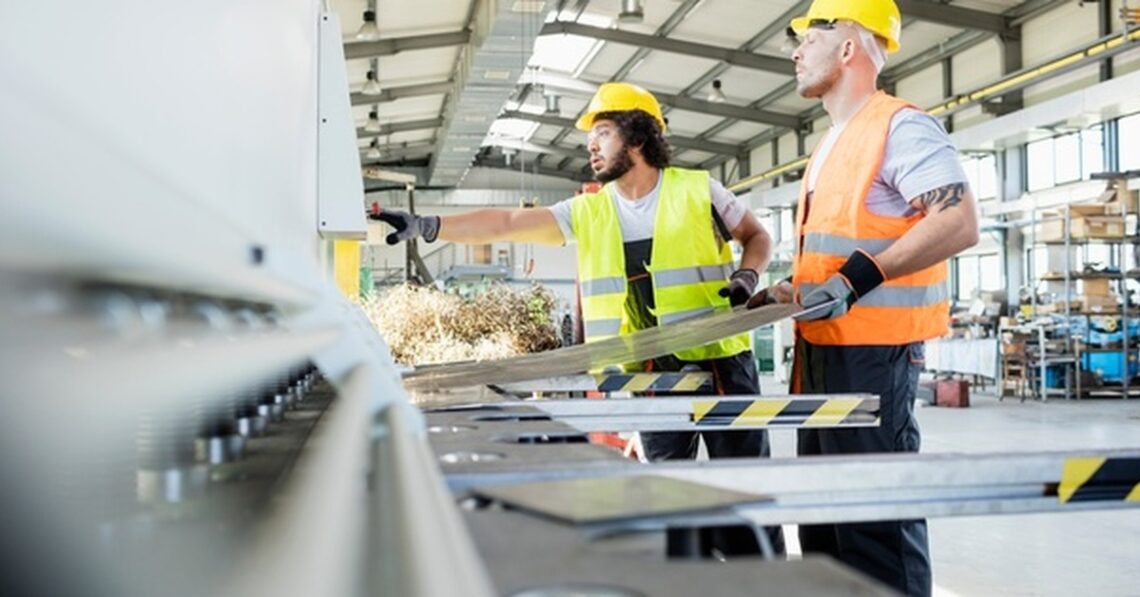
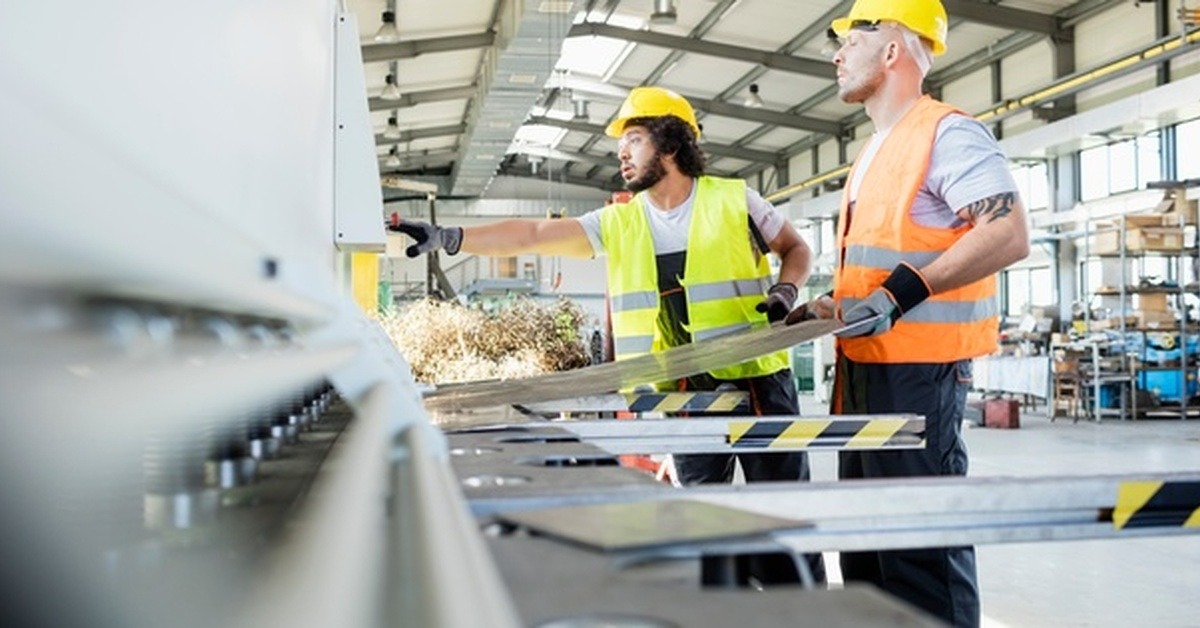
Testing production methods on a smaller scale allows teams to identify challenges and implement improvements before scaling up. Don’t be afraid to outsource production. Working with a local metal fabricator, for instance, is a great way to improve your production pipeline without all the overhead.
Bringing the Product to Market
Launching a product is the culmination of careful planning, development, and refinement. It requires a strategic approach to ensure the product reaches the right audience and generates the desired impact.
This task often involves creating a comprehensive marketing strategy, establishing distribution channels, and setting competitive pricing. Manufacturers must also invest in critical equipment for industrial operations, leverage market research to identify target demographics. and craft compelling messaging that resonates with potential customers.
Iterative manufacturing isn’t a one-size-fits-all approach. However, it offers immense flexibility and benefits when applied strategically. However far along you are in your product’s development, exploring the iterative manufacturing process offers significant advantages.





One Comment
heather
Great post really explains the step by step process. I learn something new every single day on your blog.