
Keep Your Barn Running Smoothly and Cost-Effectively
Managing a barn is about more than just caring for animals and equipment; you also need to maintain the building itself. The water and drainage systems are the unsung heroes that keep everything running smoothly. When these systems fail, they can cause serious damage, create unhealthy conditions, and lead to expensive repairs. Taking a proactive approach to your barn’s plumbing and drainage is the best way to ensure it stays safe, functional, and cost-effective.
Essential Barn Water Systems
A reliable supply of clean water is absolutely essential for any barn. This includes water lines for automatic waterers, hydrants for filling buckets and troughs, and plumbing for wash stalls or utility sinks. These systems need to be tough enough to handle the demands of a busy farm. Even small leaks in hoses or fittings can waste thousands of gallons of water over time, driving up utility bills and creating damp, muddy spots.
When you’re installing new water lines or dealing with ongoing problems like low water pressure or mystery leaks, professional help is invaluable. While you might fix a dripping faucet yourself, major plumbing work really needs an expert. Calling a service like Bluefrog Plumbing ensures repairs are done right and meet local codes, saving you bigger headaches later. A well-designed system with accessible shut-off valves for different areas can also make maintenance and emergency repairs much simpler.
Drainage Solutions for Barns
Good drainage is just as important as a good water supply. Water that isn’t directed away from your barn’s foundation can cause structural damage. Plus, standing water in paddocks or around the barn creates a muddy mess and a perfect breeding ground for pests. An effective drainage plan needs to handle both roof water and ground water.
First, make sure your barn has gutters and downspouts that are clean and big enough for heavy rain. The downspouts should guide water well away from the foundation. To manage surface water, think about using swales or French drains to channel water away from high-traffic areas. There are many effective horse barn drainage solutions that you can adapt to fit your property’s specific layout and needs, helping to prevent flooding and keep your grounds usable.
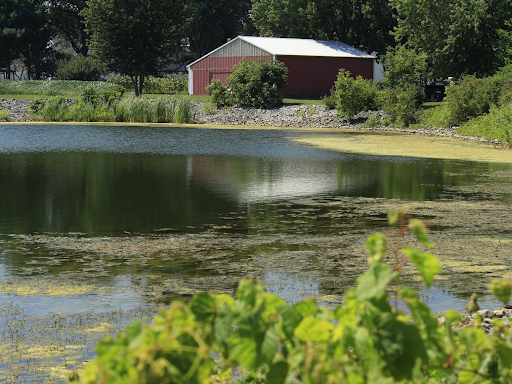
Image Credit: Unsplash
Preventing Winter Pipe Bursts
Winter brings the serious risk of frozen and burst pipes, which can cause huge damage and leave your animals without water. Getting ready ahead of time is key to avoiding these expensive emergencies. All exposed water pipes, especially in unheated areas, should be insulated with foam sleeves. For pipes that are particularly vulnerable, electric heat tape offers extra protection against deep freezes.
Frost-free hydrants are a must-have in cold climates, but even they can freeze if not used correctly. Always disconnect hoses after each use so the hydrant can drain properly. Making a few key upgrades for weathering winter before the first frost can save you a lot of stress and money. If you plan to be away or a section of the barn won’t be used, shut off the water to that area and drain the lines completely.
Managing Manure and Waste Water
A well-managed barn also has to deal with manure and wastewater. Runoff from manure piles or wash stalls can contain contaminants that harm the local environment and water table. Proper management protects natural resources and keeps your property clean and healthy.
Designate a specific, contained area for manure storage that’s located away from wells, streams, or other water sources. A concrete pad with a slight slope can help contain liquids and make cleanup easier. Similarly, wash stall drainage should go into a septic system or a vegetated filter strip designed to process the wastewater, rather than just letting it run freely across your property. This kind of thoughtful planning prevents pollution and minimizes unpleasant odors.
Regular System Checks Save Money
The best way to keep your barn’s water systems running smoothly is through regular, proactive checks. A simple walk-through once a month can help you spot small problems before they turn into big ones. Create a simple checklist to follow:
- Look for drips or leaks around automatic waterers, faucets, and pipe connections.
- Check that automatic waterer floats are working correctly and not overflowing.
- After a heavy rain, inspect gutters and downspouts to make sure they’re flowing freely.
- Walk the property to look for new wet or muddy spots that could mean an underground leak.
- Clear any debris from drainage channels or grates.
Catching a small issue, like a leaky valve that costs a few dollars to replace, can prevent the major expense and cleanup of a flooded stall or a damaged foundation. This small investment of time pays off significantly in the long run.
Paying attention to these core systems helps you ensure your barn remains a healthy, efficient, and safe environment for everyone who uses it.
One Comment
Terri Quick
My cousin has a barn in Wisconsin