
Designing for Wellness: How Thoughtful Remodeling Transforms Everyday Life
Remodeling your home is always an exciting idea. It’s a chance to refresh your space, modernize your surroundings, and enhance your lifestyle. But when you remodel with a clear purpose—specifically, to support your health and well-being—it becomes more than just a home improvement project. It becomes a path to a better, more balanced life.
In cities like Pittsburgh, PA, where long, harsh winters and air pollution can take a toll on your body and mind, your indoor environment plays a critical role in how you feel every day. If your home isn’t designed to comfort and care for you, it may be adding to the discomfort instead of easing it. That’s where wellness-focused remodeling comes in.
This article will explore how intentional design choices can turn your home into a space that promotes physical and mental wellness.
Let’s begin!
1. Bathrooms That Rejuvenate: Comfort, Accessibility, and Warmth
The bathroom is one of the most frequently used rooms in the home, and it plays a key role in wellness. A well-designed bathroom can be calming, safe, and even therapeutic. Features like good lighting, ventilation, and slip-resistant surfaces are important for everyday comfort.
Adding a walk-in tub is one upgrade that combines health benefits with convenience. It provides easier access, especially for older adults or those planning to age in place, and can be a source of relaxation. Just imagine a freezing Pittsburgh evening. Nothing beats stepping into a warm bath that soothes your muscles and calms your nerves. Working with a reliable Pittsburgh, PA remodeling company ensures these installations are done safely and efficiently. Professionals help balance beauty with functionality, making sure the space is both inviting and supportive of your wellness goals.
2. The Importance of Natural Light and Airflow
Natural light is more than just a design element—it’s a key contributor to wellness. Exposure to daylight helps regulate your sleep cycle, elevates your mood, and can boost productivity. Remodeling to add larger windows, skylights, or light-enhancing features brings in more sunshine and helps reduce dependence on artificial lighting.
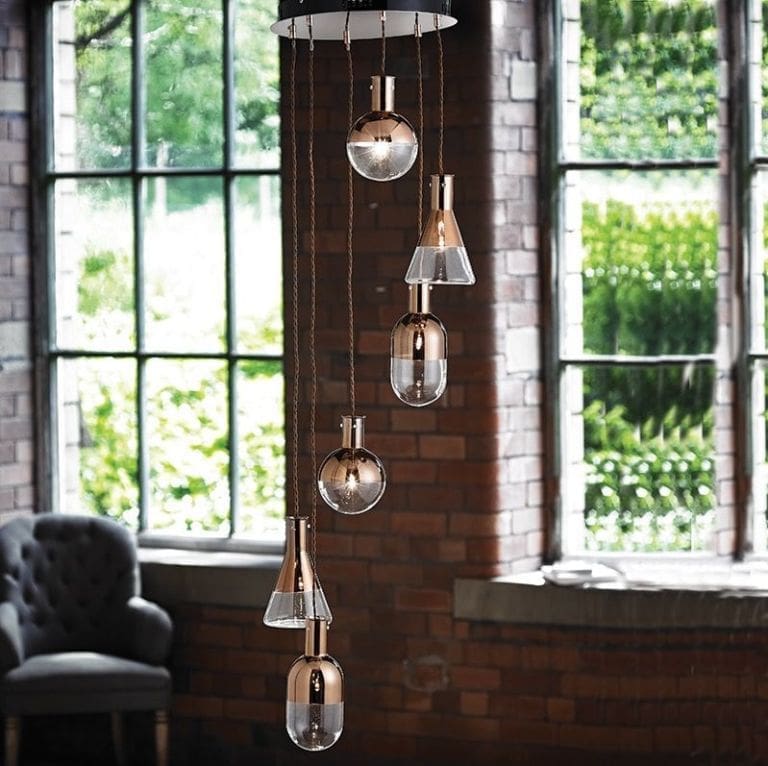
Airflow is also crucial. Stale air can trap allergens and pollutants, especially in colder climates where windows stay shut for months. Thoughtful ventilation solutions, such as quiet exhaust fans and operable windows, allow fresh air in and help maintain a healthier indoor atmosphere. Improving light and air circulation can completely change the feel of a room and the way you live in it.
3. Mindful Kitchen Design for Healthy Living
Because you’ve got to keep your home’s heart functioning properly for the entire space to support your wellness, right? Your kitchen’s design influences both physical and emotional well-being. A thoughtful layout makes cooking easier and more enjoyable. Having clear prep zones, smart storage, and ergonomic placements supports healthier eating habits and reduces daily stress. Wellness-focused features might include water filtration systems to ensure clean drinking water or the use of non-toxic finishes on cabinets and countertops. Choosing materials that are easy to clean and free from harmful chemicals also protects long-term health. Ultimately, a clean, organized kitchen can inspire better meal choices and encourage more time spent preparing food at home.
4. Flooring Choices that Support Comfort and Cleanliness
Floors take a beating every day, and the materials you choose affect more than just the look of your space. Certain flooring types can trap allergens, while others contribute to better indoor air quality. Hard surfaces like bamboo, cork, or sealed hardwood are great options because they’re easy to clean and don’t harbor dust or mold. They’re also softer underfoot compared to tile, adding to everyday comfort. In colder regions, underfloor heating is a smart upgrade that boosts comfort and makes mornings more bearable. Choosing flooring that’s both practical and wellness-friendly helps maintain a healthier home without sacrificing style.
5. Creating a Calming Bedroom Retreat
For example, your bedroom should be a place where stress melts away. The design of this space plays a direct role in how well you sleep and how rested you feel. To promote relaxation, choose a color palette that soothes rather than stimulates. Soft blues, muted greens, and earthy neutrals tend to create a restful atmosphere. Blackout curtains or shades help block outside light and improve sleep quality. Also, keep clutter to a minimum – this reduces mental fatigue. Moreover, incorporating soft textures and breathable bedding enhances comfort. Limiting tech in this room, such as TVs or bright screens, further supports deeper, more restorative rest.
6. Home Office Spaces That Reduce Stress
With more people working from home, the home office has become a critical part of the wellness conversation. An ideal workspace should be designed to boost focus and reduce physical strain. An adjustable desk, ergonomic chair, and proper lighting can go a long way toward preventing fatigue and back pain. Natural light and views of greenery, even through a window, help maintain energy and a sense of calm throughout the workday. Sound control also matters—a quiet space fosters concentration and reduces stress. Adding shelves or drawers for organizing papers and equipment keeps the space clutter-free, which has a positive effect on mental clarity.
7. Wellness Through Smart Home Technology
Technology can play a major role in improving home wellness—when used properly. Smart thermostats maintain consistent indoor temperatures, helping your body stay regulated in both summer and winter. Air purifiers and smart fans improve air quality, which is especially useful in areas where pollutants or allergens are common. Smart lighting systems allow you to adjust brightness and color temperature throughout the day to support your circadian rhythm. Automating lighting to dim in the evening can help you wind down more naturally. Technology can also make routines easier. For instance, smart home assistants can set reminders for meditation or stretching breaks. When integrated well, tech tools reduce stress and support a healthier home environment.
8. Outdoor Spaces that Nurture

Even a small outdoor area can have a big impact on your mental health. Connecting with nature—even in a backyard or on a balcony—lowers stress levels and boosts mood. Remodeling outdoor spaces with comfort in mind makes it easier to use them regularly. Think of a cozy patio with seating, gentle lighting, and maybe a fire pit for cool evenings. Raised garden beds or planters encourage interaction with nature, which can be therapeutic. Adding elements like shade structures or a small water feature turns a plain yard into a relaxing escape.
Thoughtfully designed outdoor areas invite you to unwind, entertain, or simply breathe deeply in a natural setting.
A wellness-focused remodel is a smart and lasting investment in your daily life. From a bathroom that helps you relax to a bedroom that promotes better sleep, each space in your home can be shaped to support how you live and feel. When design choices are made with care and intention, your home becomes a partner in your well-being. It offers comfort, encourages healthy habits, and provides a sanctuary from the stresses of the outside world.





3 Comments
heather
We need to do some work in our bathroom I would like more of a retreat feel. I also like caliming spaces in the home. I am not a fan of technology in the home though don’t like my conversations recorded.
Tamra Phelps
If I could design a home for myself, I would create one that is wheelchair friendly! That would relieve a lot of daily stress.
Terri Quick
Looks so beautiful