
How Piece Condition Impacts Antique Silver Value
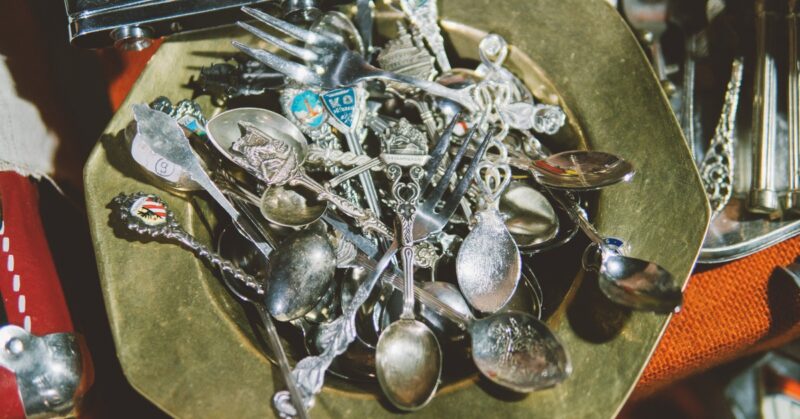
Condition shapes antique silver value from the first inspection. Collectors and silver investors often look past shine and focus on wear, damage, repairs, and completeness.
A beautiful pattern can lose appeal when heavy damage affects daily use or resale potential. Strong condition helps a piece stand out in a market where buyers compare details closely.
Why Condition Matters
Silver buyers care about age, maker, rarity, and weight. Condition ties those factors together because damage can limit both collector demand and practical use.
A rare maker still attracts attention with flaws, but serious damage can lower offers because restoration costs reduce the final value.
Common Condition Issues to Check
Every piece needs a close inspection before purchase. Small flaws may not ruin a sale, but major damage can change the price fast.
Look for these common issues:
- Dents on bowls, handles, or serving surfaces
- Deep scratches from harsh cleaning
- Worn details on raised patterns
- Bent tines on forks
- Loose knife handles
- Solder repairs near joints
- Thin spots from overpolishing
- Missing pieces in a matched set
Flatware often shows wear in predictable places. Fork tips, spoon bowls, and knife handles deserve extra attention.
How Wear Affects Flatware
Daily use leaves marks on sterling silver. Light surface scratches usually matter less than structural damage. Pattern wear matters more on ornate pieces. Raised flowers, scrolls, and borders can lose sharpness after years of polishing.
Collectors often pay more for crisp detail. A set with strong decoration usually brings better interest than one with softened surfaces. Anyone interested in collecting antique sterling flatware should learn how pattern wear affects desirability. That detail helps buyers compare similar sets with more confidence.
Repairs and Replacements
Repairs do not always destroy value. Skilled repairs can preserve a useful piece and keep a rare item in circulation.
Poor repairs create bigger problems. Visible solder, uneven seams, and mismatched parts can make buyers hesitate. Take caution with replacements as well. A knife blade from another period or maker may reduce appeal in a matched set.
Completeness and Matching Pieces
A complete set usually brings stronger value than loose pieces. Buyers often prefer matched place settings because matching replacements can take time.
Single pieces still have a market. Serving utensils, rare patterns, and discontinued designs can attract collectors who need specific replacements. Matching matters across maker marks, monograms, and dimensions. Small differences can signal later additions or mixed lots.
Polishing and Surface Quality
Polishing can improve appearance when done carefully. Aggressive polishing removes detail and can leave a flat look.
Silver investors often consider weight, but collectors look at surface quality too. A heavy piece with worn decoration may not beat a lighter piece with sharp detail. Tarnish alone rarely causes major concern. Deep pitting, chemical damage, and polishing loss deserve more caution.
Condition plays a major role in antique silver value. Buyers should inspect each piece under good light and compare flaws against rarity. A fair price should reflect both beauty and condition. Strong pieces offer better long-term appeal for collectors and silver investors.




2 Comments
heather
This was am interesting post to read. I have to admit I don’t know very much about silver.
Terri Quick
Nice post