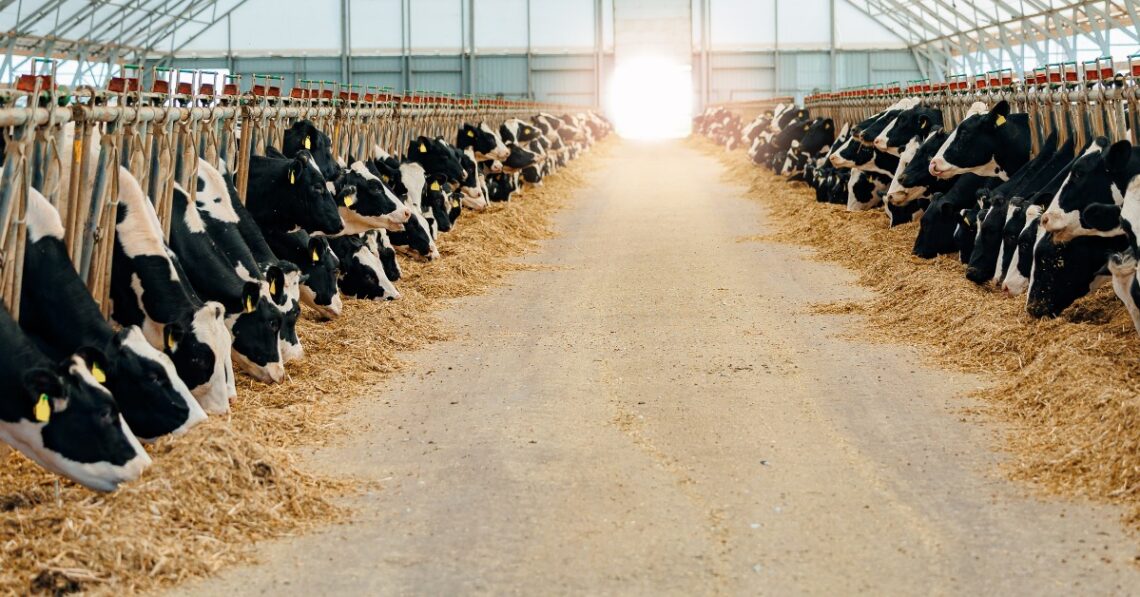
Tips for Choosing Animal Feed for Your Farm
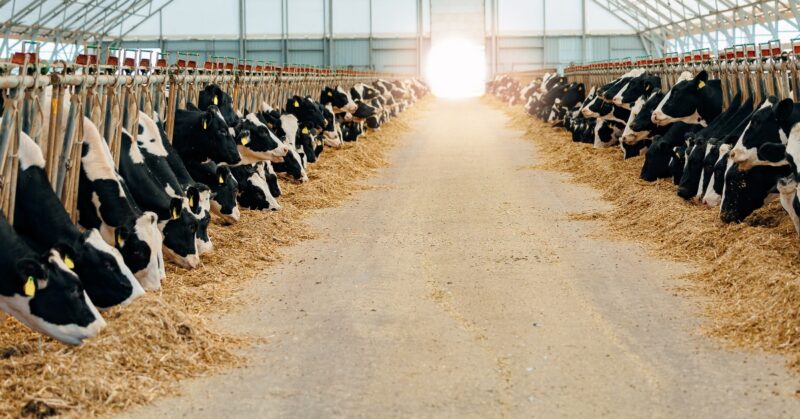
Feed selection doesn’t have to become a complicated exercise full of technical jargon. A few sensible habits can help narrow the options and reveal products that fit the animals and the operation. Take time to compare the details before the next feed order so each purchase has a clear purpose behind it. Let’s discuss the best tips for choosing animal feed for your farm so you can start shopping immediately.
Start With the Animal
A dairy cow, broiler chicken, market hog, and young goat won’t have identical nutritional needs. Species provides the first point of reference, but age, size, production stage, and activity level add more context. A growing animal may require a different nutrient profile from a mature animal at maintenance. Pregnant or lactating livestock have yet another set of dietary needs.
This distinction matters on farms with several animal groups. One convenient ration may look attractive from a management perspective, but convenience alone doesn’t mean the feed suits every group. Separate feed plans can give producers more control over what each animal receives.
A veterinarian or qualified animal nutrition professional can provide guidance when a producer needs help with exact nutrient requirements. Professional advice becomes especially useful when animals have special dietary needs or a farm plans a major ration change. Balancing a knowledge of the key structures used in agriculture with the right feed choice helps any new farmer find their footing.
Read the Feed Label
A feed bag contains more than a brand name and an attractive photo. Its label gives producers a place to start their evaluation. Depending on the feed and local requirements, that information may cover crude protein, fat, fiber, ingredients, directions, and other nutritional details.
Look at the entire label instead of one appealing number. A high protein percentage, for example, doesn’t automatically mean a product offers the best fit for every animal. The complete nutrient profile matters more than a single figure taken out of context.
Directions deserve attention too. A manufacturer may design a product for a certain species, age range, or role within a broader ration. Those details can help a producer avoid a feed that doesn’t match the intended use.
Consider the Full Diet
Commercial feed may represent only one part of an animal’s diet. Pasture, hay, silage, grain, supplements, and other inputs can contribute nutrients as well. For that reason, it helps to view feed as one part of a complete nutritional plan rather than an isolated purchase.
Take a beef operation with cattle on quality pasture. The feed strategy for that herd may look very different from the plan for cattle that rely heavily on stored forage during winter. Seasonal shifts can alter what the rest of the diet provides.
A review of the full ration can also expose unnecessary overlap. Producers may discover that several products provide similar nutrients without a clear reason for the duplication. That knowledge can support a more deliberate approach to feed purchases.
Look Closely at Ingredients
Ingredient lists can tell producers quite a bit about a feed. Rather than assume a long list means better nutrition, focus on how the ingredients relate to the product’s purpose. Each component should have a logical place within the overall formula.
Source quality is an important detail, too. Two products can feature similar ingredient names yet come from very different supply chains or production standards. Producers can ask suppliers about ingredient origins, quality controls, processing methods, and product consistency when those details aren’t clear.
This point also applies to mineral ingredients and other feed additives. For example, any farmer should know the key reasons to use fulvic acid in animal feed supplements. Producers who consider specialty inputs should still evaluate their purpose, quality, and suitability within the complete feed program.
Pay Attention to Quality
Price matters on any farm, but the lowest number on an invoice doesn’t tell the full story. Product consistency, ingredient quality, supplier reliability, and proper formulation all deserve a place in the decision. A bargain loses much of its appeal if the feed doesn’t suit the animals or creates excess waste.
Visual and physical condition can offer useful clues once feed arrives. Check for unusual odors, moisture, mold, damaged packaging, pests, or major changes in appearance. Feed that seems questionable deserves closer review before it reaches livestock.
Keep records of lot numbers, purchase dates, and suppliers when practical. Those details provide a useful reference if a concern appears later. Records can also help farms compare products over time rather than relying on memory alone.
Think About Storage
Great feed can lose value under poor storage conditions. Moisture, heat, pests, and damaged containers can affect quality before the product ever reaches the animals. The farm’s storage capacity should therefore play a role in purchase decisions.
Bulk orders can offer practical advantages, but only when a farm has enough suitable space. Buying more than the operation can store properly may create waste instead of savings. Smaller orders can make more sense for products with limited use or farms with tight storage areas.
Use clean, dry spaces and follow the manufacturer’s storage directions. Rotate inventory so older feed gets used before newer deliveries. A basic inventory routine can help prevent forgotten bags from sitting in a corner long past their useful period.
Compare Cost With Value
Feed cost deserves more thought than a quick comparison of price per bag. Package size, recommended amount, nutrient profile, waste, and the role of the product in the ration can all affect real value. A cheaper bag isn’t automatically the less expensive choice once those factors enter the calculation.
Suppose one feed costs slightly more but fits the farm’s ration with less waste. Another may have a lower shelf price, but require a larger daily amount. A comparison based on actual use gives the producer a clearer financial picture.
Farm records can help here too. Track purchases, use rates, and changes to the ration. Over time, those records can reveal where feed dollars go and provide better information for future orders.
Introduce Changes With Care
Animals can react poorly to abrupt diet changes. Even if a new feed has a sound formula, a sudden switch can still disrupt normal intake or digestive routines. Follow professional and manufacturer guidance for transitions between products. Close observation also has a place during any feed change. Watch appetite, manure consistency, body condition, behavior, and general appearance.
Unexpected changes deserve attention rather than an assumption that the animal will adjust on its own. Keep the transition practical and controlled. Change one part of the program at a time when possible, since several changes at once can make it harder to identify the source of a problem.
Choosing Animal Feed With Confidence
No single bag of feed suits every farm, season, or animal. Thankfully, now you know the best tips for choosing animal feed for your farm. Good feed decisions come from careful observation and reliable information. Put the tips above to work before the next feed purchase and give every animal a diet selected with purpose.




One Comment
Rose
I used to travel a distance to go to feed stores for the best feed for chickens and goats. Supplemented with fresh taste treats. When they are pets, you can factor in higher feed costs, to get quality. I recall the feed for goats had dried orange peel!