A Simple Routine for Keeping Dental Implants Healthy in Cliffside Park, NJ
Key Takeaways
- Daily cleaning matters: Brush gently around the implant and gumline, and clean between teeth and beneath bridges to help control plaque buildup.
- Choose suitable cleaning tools: Soft-bristled toothbrushes, interdental brushes, implant-friendly floss, and oral irrigators may help, depending on your restoration and your dentist’s recommendations.
- Attend regular maintenance visits: Professional checkups help monitor gum health, restoration stability, and changes that may be difficult to notice at home.
- Recognize warning signs early: Persistent bleeding, swelling, tenderness, unusual tastes, gum changes, or a loose restoration should be evaluated by a dental professional.
- Support implant health through daily habits: Avoid tobacco, discuss teeth grinding with your dentist, and keep your dental team informed about changes in your medical history.
- Avoid common care mistakes: Do not skip hard-to-reach areas, brush too aggressively, use sharp objects to remove debris, or ignore ongoing symptoms.
- Follow a personalized care plan: The best maintenance routine depends on your implant restoration, oral health, and individual risk factors.
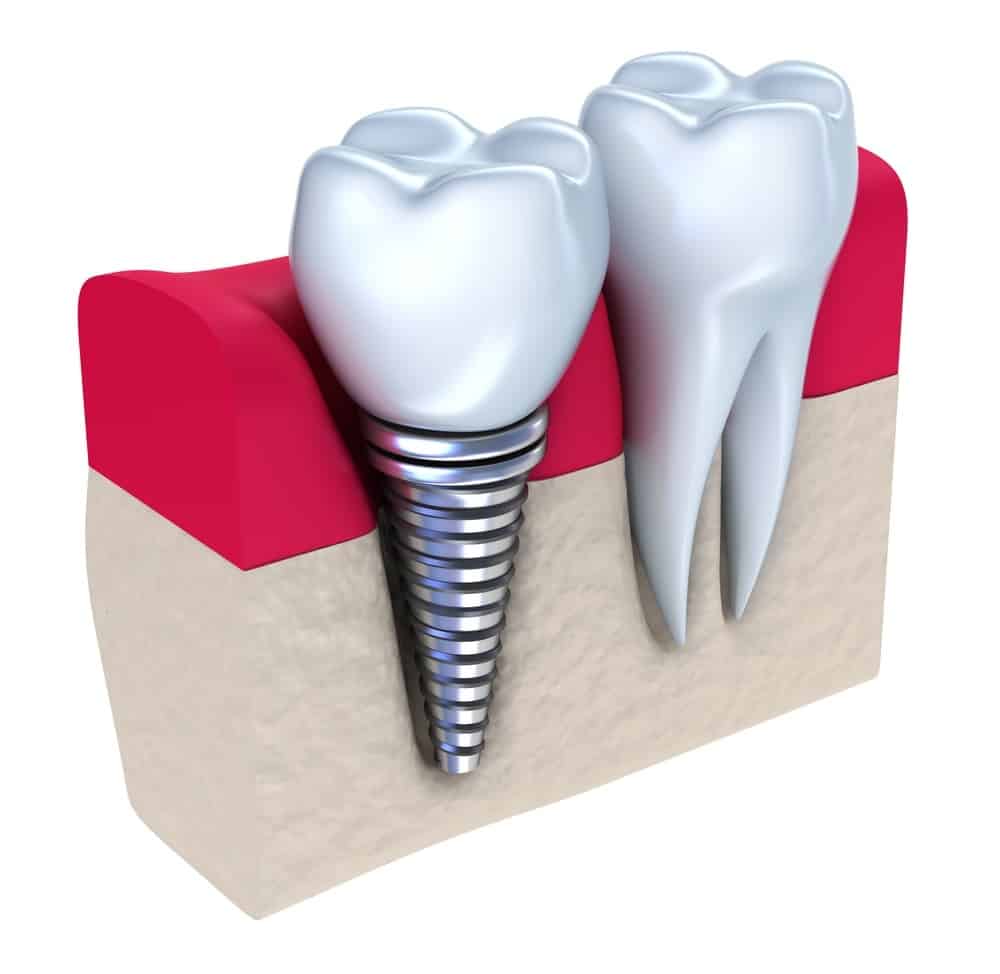
Dental implants are built to restore everyday comfort, but they still depend on healthy gums, surrounding bone, and consistent cleaning. For Cliffside Park residents balancing work, family routines, and busy commutes, a practical home-care plan can make implant maintenance feel manageable rather than complicated. Learning how to maintain dental implants starts with recognizing that an implant restoration requires daily attention, even though it cannot develop a cavity like a natural tooth. The goal is not perfection or an overly aggressive cleaning routine. It is steady care that removes plaque, protects the gumline, and helps you notice changes early. Whether you have one implant crown, an implant-supported bridge, or a removable restoration, the right routine should fit your smile’s design and your dentist’s instructions.
Why a Care Routine Matters
An implant itself does not decay, but bacterial plaque can collect where the restoration meets the gums. If plaque remains in place, it may irritate the soft tissue around the implant. Early inflammation is often referred to as peri-implant mucositis. When inflammation progresses and affects supporting bone, it is called peri-implantitis. Both concerns reinforce why bleeding, swelling, and changes in comfort should not be dismissed. Modern implant maintenance increasingly centers on prevention, early detection, and care plans tailored to the individual.
Daily Cleaning Habits That Support Implant Health
Daily care generally works best when it becomes part of a morning and evening routine. Technique matters as much as frequency because plaque can remain in small spaces around the gumline or underneath connected restorations.
- Brush gently with a soft-bristled toothbrush, including the gumline around the implant restoration.
- Clean the front, back, and chewing surfaces of the implant crown or bridge.
- Use floss, an interdental brush, or another dentist-approved tool to clean between teeth and around the implant.
- Pay extra attention beneath bridges, behind molars, and around bars or attachments that can trap food.
- Use a rinse only if it has been recommended for your specific needs.
Slow down enough to feel where the brush and cleaning tool are reaching. A few focused minutes are more useful than rushing through areas that are difficult to see in the mirror.

Choosing the Right Cleaning Tools
There is no single best tool for every implant patient. The space around an implant, the shape of the restoration, and whether you have natural teeth nearby can all affect the right approach.
- Soft toothbrush: A reliable choice for cleaning the restoration and nearby gum tissue without using excessive pressure.
- Interdental brushes: These may be helpful for accessible spaces, but the size should be selected carefully to avoid forcing a brush where it does not fit.
- Implant-friendly floss: Floss can be useful around certain crowns and beneath some bridges when used with the right technique.
- Oral irrigator: A water-based device may help flush food debris from difficult areas, especially around some fixed or removable restorations.
- Antimicrobial rinse: This should be used only as directed, since not every patient needs one for long-term daily care.
A dental professional can demonstrate where to place each tool and how much pressure to use. That guidance is especially valuable for people with full-arch restorations or implant-supported bridges.
What Happens During Professional Maintenance
Professional visits complement home care by checking areas that are hard to assess on your own. During a maintenance appointment, the dental team may review the gums for bleeding, swelling, tenderness, recession, or changes in tissue shape. They can also examine the fit and stability of the restoration, identify plaque or hardened buildup, and compare current findings with prior visits. There is no universal checkup interval that fits every implant patient. Your schedule may depend on gum health, past periodontal concerns, tobacco use, medical changes, restoration design, and how easily you can clean at home.
Warning Signs That Need Attention
Contact a dental professional if you notice symptoms that persist, worsen, or feel different from your usual baseline. Important signs include:
- Bleeding while brushing or cleaning between teeth.
- Redness, puffiness, or ongoing swelling near the implant.
- New tenderness, throbbing, pus, an unusual taste, or persistent bad breath.
- Gum tissue that appears to be shrinking around the restoration.
- A crown, bridge, or denture that feels loose, shifts, or no longer fits the same way.
- A change in how your upper and lower teeth meet when you bite.
Mild irritation can have several causes, but an implant concern is not something to self-diagnose or watch indefinitely at home.
Lifestyle Choices That Can Affect Implants
Everyday habits can either support implant maintenance or create extra stress on the restoration and surrounding tissues. Avoiding smoking and tobacco is important because tobacco use can interfere with healing and gum health. If you clench or grind your teeth, ask whether a protective appliance or another treatment approach is appropriate. A balanced diet supports overall health and oral health, while being cautious with very hard foods can help if a restoration feels strained or sensitive. Keep both your medical and dental providers informed about new diagnoses, medications, or changes in your overall health. Continue caring for natural teeth as well, since the health of the whole mouth matters.
Common Implant Care Mistakes
- Assuming an implant needs less cleaning because it cannot get a cavity.
- Brushing so hard that the gumline becomes irritated.
- Skipping the spaces between teeth or beneath a bridge.
- Waiting for significant pain before scheduling an evaluation.
- Using sharp household objects to remove food around an implant.
- Ignoring bleeding that continues over several days.
- Following generic online advice that does not account for your restoration or medical history.
Common Questions About Implant Maintenance
Can dental implants get cavities?
No. The implant and its restoration do not develop cavities, but the surrounding gums and bone can become inflamed or infected. Natural teeth near the implant can still develop decay.
How often should dental implants be checked?
The schedule varies. Your dental team can recommend follow-up visits based on your home-care routine, oral health history, restoration, and individual risk factors.
Is flossing safe around an implant?
It can be, but the type of floss and technique depend on the restoration. Ask for a demonstration instead of forcing floss into a tight or inaccessible space.
Are water flossers helpful?
They can help remove loose debris in certain areas, but they support rather than replace brushing, interdental cleaning, and professional maintenance.
What does current prevention research emphasize?
Current professional discussions continue to focus on patient education, risk assessment, preventive habits, and long-term supportive care. A national meeting on the prevention of peri-implantitis brought together dental specialists and researchers to evaluate evidence in this area.
A Long-Term Approach to Implant Care
Healthy implant maintenance in Cliffside Park does not require a complicated checklist. Clean each day thoroughly, use tools suited to your restoration, attend recommended maintenance visits, and respond promptly to bleeding, looseness, or other changes. Personalized dental guidance remains more dependable than a one-size-fits-all routine, particularly when your implant restoration has unique cleaning needs.
Conclusion
Maintaining dental implants in Cliffside Park, NJ, starts with consistent home care and regular professional checkups. Although implants cannot develop cavities, plaque can still affect the gums and supporting bone, making daily cleaning essential. Using the right tools, following your dentist’s instructions, and paying attention to changes such as bleeding, swelling, or looseness can help you address potential concerns early. Since every implant restoration has different cleaning needs, ask your dental team to demonstrate the proper techniques and recommend a maintenance schedule suited to your situation. With a practical routine and ongoing professional guidance, you can support the health and function of your implant restoration over time.

You May Also Like

Day 27 Photo-A-Day Up Close

What To Know Before Buying a Home in Washington