
Creative Talent Acquisition Strategies That Work
Table of Contents
- Key Takeaways
- Leverage Social Media Platforms
- Implement Gamification in Recruitment
- Host Virtual Reality (VR) Job Simulations
- Develop Employee Referral Programs
- Engage with Niche Online Communities
- Utilize AI-Powered Recruitment Tools
- Offer Flexible Work Arrangements
- Focus on Diversity and Inclusion
Key Takeaways
- Embrace unconventional methods to stand out in the talent market.
- Leverage technology and social media to reach a broader audience.
- Foster a culture that appeals to diverse and dynamic candidates.
In today’s fiercely competitive job market, capturing and retaining top talent demands far more than conventional recruiting techniques. Forward-thinking companies now recognize that differentiation in recruitment is not just a bonus—it’s essential for securing the best candidates. Modern job seekers have unique preferences and higher expectations, meaning businesses must tailor their approach to resonate with a new generation of professionals. By embracing inventive, strategic, and human-centered methods, companies can foster genuine connections that extend beyond the initial hiring touchpoints. For organizations committed to excelling in this fast-changing environment, exploring comprehensive recruiter tips and innovative strategies makes staying ahead in the hiring landscape a truly attainable goal.
Savvy organizations understand that posting a job description and waiting for applications to flood in is no longer an effective strategy. As the talent pool becomes increasingly sophisticated and fragmented, businesses must break free from the status quo and explore novel ways to discover, attract, and engage top candidates. This fresh perspective on recruiting is opening new doors, expanding candidate reach, and forging more meaningful relationships—ultimately strengthening both the organization and the teams it builds. Below, we explore actionable ideas and creative shifts that will empower your talent acquisition strategy and truly set your organization apart in its pursuit of exceptional talent.
Leverage Social Media Platforms
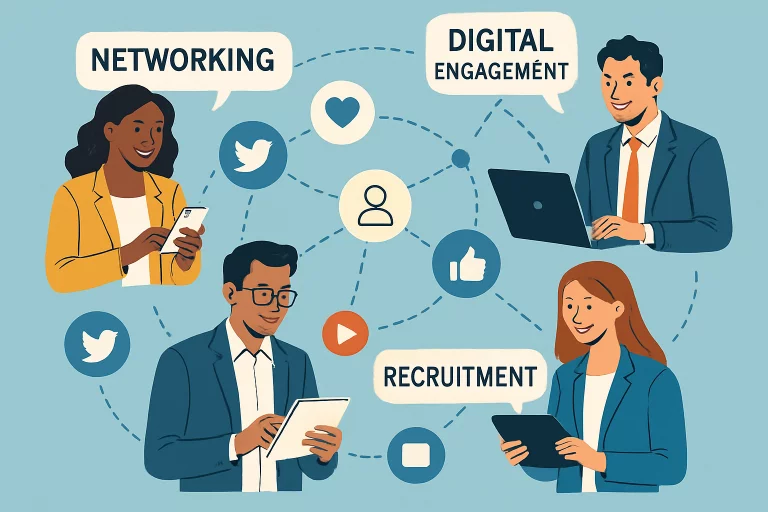
Recruitment success today is grounded in the ability to meet candidates where they spend the most time—online. Social media has evolved from being a brand awareness tool into a vital recruitment channel capable of reaching both active and passive candidates. By utilizing platforms such as LinkedIn, Instagram, Twitter, and even TikTok, organizations can share job postings, highlight success stories, and communicate their workplace values in real-time. A standout example is Marriott Hotels’ Instagram careers page, which goes beyond jargon, presenting authentic employee stories and immersive behind-the-scenes visuals. This not only gives potential applicants a transparent glimpse into the company culture but also helps the brand gain traction among younger candidates accustomed to exploring opportunities via social platforms. To maximize reach, companies should be intentional about their digital presence, focusing on storytelling and encouraging employees to act as brand ambassadors by sharing their own authentic workplace experiences.
Implement Gamification in Recruitment
The use of gamification is rapidly reshaping the recruitment game, infusing it with interactivity, challenge, and fun. By integrating digital games and skill-based challenges into the application process, employers can glean valuable insights into a candidate’s real-world competencies. These methods are often more revealing than reading a resume, as they uncover traits such as creative problem-solving, teamwork, competitive drive, and adaptability under pressure. Companies such as Unilever have pioneered this approach, using online games to replace initial resume screenings. These games place candidates in scenarios that simulate the demands of the job, allowing recruiters to measure cognitive skills, emotional intelligence, and potential fit before any interviews take place. As highlighted by Forbes, gamification not only keeps applicants more engaged but also fosters a fairer, more inclusive process that levels the playing field for candidates from all backgrounds.
Host Virtual Reality (VR) Job Simulations
With advancements in virtual reality technology, candidates can now experience a realistic “day-in-the-life” of a potential role remotely. VR job simulations immerse applicants in practical work scenarios, enabling them to interact with digital colleagues, navigate complex projects, and solve job-specific problems in a risk-free environment. This approach grants both sides a much deeper understanding of what the daily grind truly entails before anyone commits to an employment contract. As a result, organizations report higher retention rates and a stronger, more accurate mutual fit between candidates and roles. For businesses, deploying VR simulation tools demonstrates a commitment to candidate education and transparency, which can significantly enhance the employer brand reputation and instill trust early in the hiring process.
Develop Employee Referral Programs
Current employees are an often-untapped resource in every company’s recruitment toolkit. Fostering an effective employee referral program encourages staff to reach into their personal and professional networks to recommend potential hires. Successful referral initiatives offer tangible rewards-ranging from cash bonuses to extra time off, or creative perks tailored to company culture. This not only accelerates the hiring process, as new hires are often found faster through referrals, but also increases the chances of strong cultural alignment by promoting like-minded candidates. Organizations such as Ondeck have set the bar high, offering $2,000 for every successful referral, a figure that underscores the significant value placed on collaborative recruiting. Beyond monetary incentives, programs that recognize and celebrate referrals at company meetings or through internal communications can foster greater participation and a sense of shared accomplishment.
Engage with Niche Online Communities
Mainstream job boards have their place, but real standout talent-especially in specialized industries-often resides within niche online ecosystems. Forums on Reddit, Slack communities, or industry-specific discussion boards can contain a wealth of passive candidates quietly excelling in their fields. By establishing a genuine presence and participating in these communities, recruiters can identify, connect, and engage with high-potential candidates who aren’t actively seeking new roles but may be open to opportunities that intrigue them. This targeted, relationship-first approach cuts through the noise of generic recruitment by focusing on candidates’ skills, interests, and industry involvement, resulting in more thoughtful and successful placements. For highly technical fields like physical security, finding the right people requires even deeper industry knowledge. General recruiters often struggle to evaluate the specific technical skills needed for complex alarm and access control systems. Working with a specialized agency can solve this problem. Partnering with a leading recruitment firm for security integrators helps businesses connect with pre-screened technicians who have the exact certifications required. This targeted approach saves time and prevents bad hires in a competitive market.
Utilize AI-Powered Recruitment Tools
The transformative power of artificial intelligence (AI) in recruiting is becoming more evident with every passing year. AI-powered platforms help organizations process and analyze massive volumes of candidate data with unprecedented speed and accuracy. These systems can efficiently parse resumes, match qualifications to job descriptions, and predict a candidate’s openness to new roles by examining social and professional footprints. Advanced algorithms can also identify talent gaps, uncover hidden strengths, and even suggest personalized outreach methods. The real value lies in AI’s ability to automate repetitive screening tasks, allowing recruitment teams to focus more on building real, human connections with top candidates. Companies that leverage AI not only save significant amounts of time and resources but also reduce unconscious bias and improve overall hiring precision.
Offer Flexible Work Arrangements
The COVID-19 pandemic has permanently shifted candidate expectations, making flexible work options a non-negotiable priority for modern job seekers. Today’s top talent seeks autonomy over their schedules, remote work options, and environments that balance productivity and personal well-being. Companies that make genuine commitments to flexible policies, such as remote work, adjustable hours, or results-based expectations, stand out in a crowded market. As noted in Business News Daily, flexible work arrangements not only accommodate diverse employee needs but also improve morale and efficiency across teams. This shift not only improves recruitment outcomes but also leads to higher levels of employee engagement, satisfaction, and retention. Flexible work is a strong testament to an organization’s trust and respect for its team, signaling a people-first philosophy that savvy candidates can’t help but notice and appreciate.
Focus on Diversity and Inclusion
Diversity and inclusion are more than aspirational ideas—they are essential business imperatives that drive creativity, resilience, and innovation. Companies recognized for embracing inclusive hiring practices often outperform less diverse counterparts, as they benefit from broader perspectives, enhanced problem-solving ability, and greater adaptability. Techniques such as blind hiring—where age, gender, ethnicity, and other identifiers are temporarily removed from the application process—help combat unconscious bias, ensuring skills and experience remain at the forefront of every evaluation. Meanwhile, a strong commitment to DE&I initiatives boosts your employer brand and widens the pool of exceptional candidates. Want to go further? Discover actionable strategies for developing inclusive recruitment processes with this comprehensive diversity recruitment resource.
Reinventing your talent acquisition means examining every stage of your recruitment journey for opportunities to innovate and connect more authentically. Companies that go beyond traditional tactics to implement employee-driven referrals, AI-based platforms, and diversity-driven hiring practices create a long-lasting competitive advantage. They not only attract the best candidates, they keep them.





2 Comments
heather
This was interesting to read and I think all hiring managers should read this one. I like the flexible work arrangements part that is important to me.
Terri Quick
Thank you for sharing